
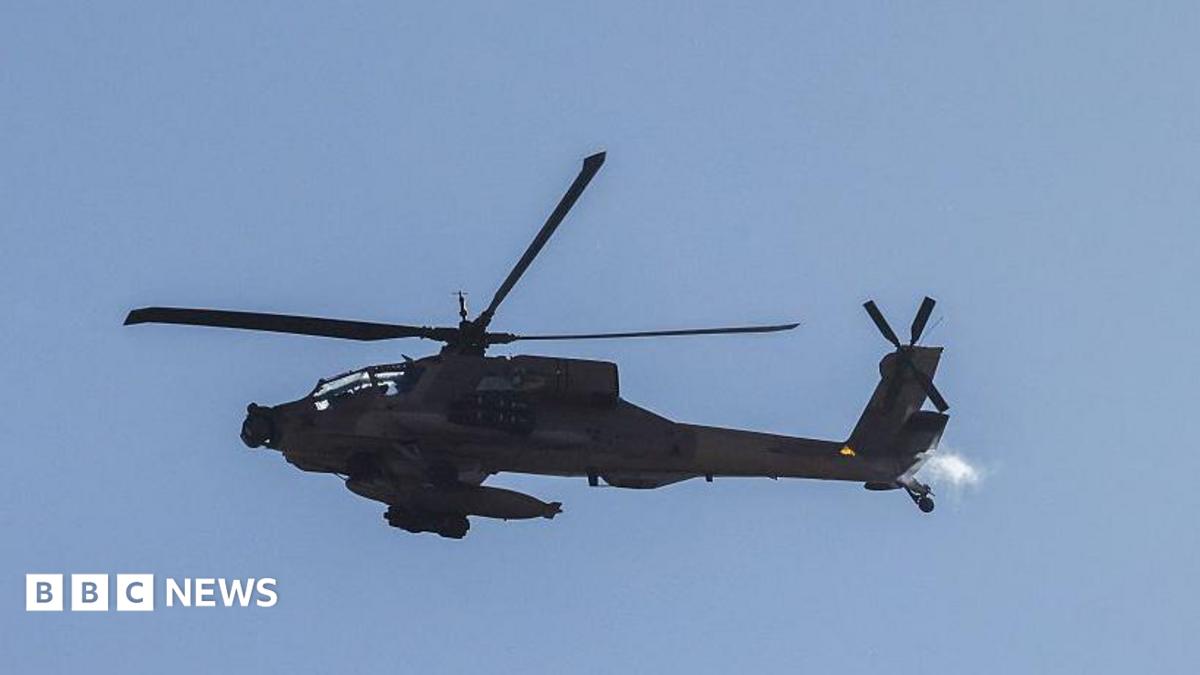
The recent escalation in tensions between the United States and Iran has culminated in a significant military response. Following accusations from U.S. President Donald Trump that Iran was responsible for downing an American helicopter in the strategically vital Strait of Hormuz, the U.S. has taken decisive action. This incident marks a notable moment in the ongoing tensions between the two nations, illustrating the delicate balance of power in the region.
Details of the U.S. Military Response
In a statement issued by U.S. Central Command (Centcom), military forces commenced strikes on Iran at 5:00 PM EST (10:00 PM BST) on a Tuesday evening. This military operation aims to be a “proportional response to unjustified Iranian aggression,” as per Centcom’s official declaration. The incidents leading to this military action have heightened concerns about stability in this volatile region, which is a critical conduit for global oil shipments.
The strikes come in the aftermath of an incident that saw an Apache helicopter belonging to the U.S. military shot down, raising alarms about the potential for greater conflict. To safeguard personnel involved, American forces managed to rescue both crew members of the downed helicopter. Centcom reported that these two pilots were successfully retrieved by an American sea drone, emphasizing the U.S. military’s commitment to the safety of its personnel amid escalating threats.
Reactions from Leadership
President Trump took to social media platform Truth Social to address the situation, assuring the public that both pilots were safe and unharmed. He reiterated the necessity for the United States to respond to this hostile action, framing the strikes as a necessary measure in maintaining national security and responding to aggression from Iran. Such statements not only underscore the president’s resolve but also highlight the importance of projecting military strength in international relations.
The U.S. response has been characterized as intended to deter further Iranian provocations, aiming to communicate that there are severe consequences for military actions against American assets. This incident marks a crucial moment that could redefine U.S.-Iran relations, which have been fraught with tension since the 1979 Iranian Revolution. The question that looms now is whether this military strike will lead to further military engagement or whether it will serve as a sufficient deterrent for Iran.
The Broader Implications
The broader implications of this incident and the subsequent U.S. military response cannot be understated. The Strait of Hormuz is a critical maritime passage that sees a significant volume of global oil transit. Any instability in this region could lead to far-reaching economic consequences, impacting not just Iranian and American interests but also those of global energy markets.
As geopolitical tensions continue to evolve, the focus shifts to diplomatic efforts that can potentially de-escalate the situation. The international community will be watching closely as the repercussions of the U.S. strikes play out. Dialogue and negotiation have previously played roles in diffusing similar conflicts; whether these avenues will be pursued following this military confrontation remains to be seen.
In conclusion, the recent strikes on Iran represent a pivotal moment in U.S.-Iranian relations, replete with risks and uncertainties. As both nations navigate the aftermath, the potential for further conflict remains a pressing concern for regional stability and global security interests.