
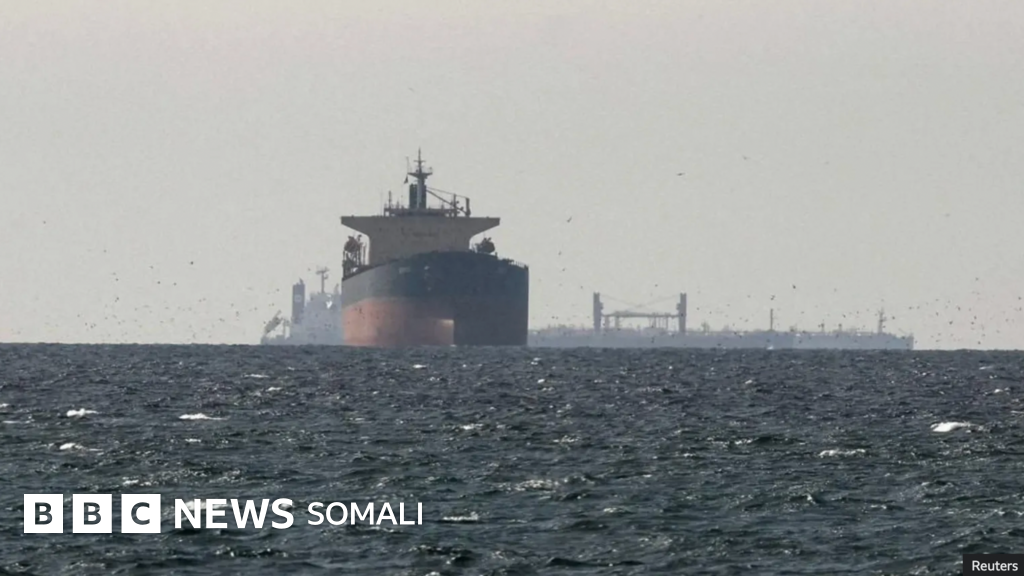
The recent escalation of tensions between the United States and Iran has sparked significant military actions and geopolitical implications. Following President Donald Trump’s accusations against Iran, a series of airstrikes targeted Iranian assets. These events stemmed from an attack on a commercial ship navigating the crucial Strait of Hormuz, underscoring the volatility of the region.
U.S. Military Response to Iranian Aggression
The United States Central Command (Centcom) reported that military operations were conducted last Friday in retaliation to an unmanned aerial vehicle attack claimed by Iran. While no casualties were reported from the initial drone strike on the ship, the U.S. aimed to dismantle various Iranian military capabilities, including missile storage and radar stations along the coast. This response showcases the U.S. commitment to protecting its interests and allies in the region, particularly amidst ongoing threats, including those from the Islamic Revolutionary Guard Corps (IRGC), which the U.S. holds responsible for escalating tensions.
Statements from Key Officials
President Trump emphasized a strong retaliatory stance, asserting, “You will see,” when questioned about potential U.S. actions against Iran. Centcom characterized the airstrikes as a powerful response to Iranian aggression. The military action was part of a broader strategy to safeguard maritime trade routes critical to global commerce. This underlying rationale suggests that the U.S. is not only defending its interests but also striving to maintain international order amidst rising threats.
Iran’s Retaliatory Threats and Regional Instability
In response to the U.S. actions, the IRGC accused both the U.S. and Israel of breaching agreements and launching indiscriminate assaults on Iranian territory. They issued a stern warning that any further aggression would elicit an expanded response. The regional implications are profound, as these conflicts not only affect Iran and the U.S. but also engage other nations and entities, particularly Israel, which has been linked to violence against maritime activities that Iran claims are unlawful.
Global Impact on Oil Prices and Trade Routes
The ongoing tensions around the Strait of Hormuz, a vital chokepoint for oil and gas shipments, have already begun to affect global oil prices. With escalating hostilities, concerns about supply disruptions are on the rise. This has resulted in an increase in crude oil prices and alerts regarding the transportation of essential goods, such as fertilizers. The situation highlights the fragile nature of international trade dynamics and the potential consequences of military conflicts.
As the situation in the Middle East unfolds, it becomes increasingly critical for stakeholders to navigate the treacherous waters of diplomacy, security, and commerce. The actions taken by both sides will undoubtedly shape the regional landscape and affect global markets for the foreseeable future.