
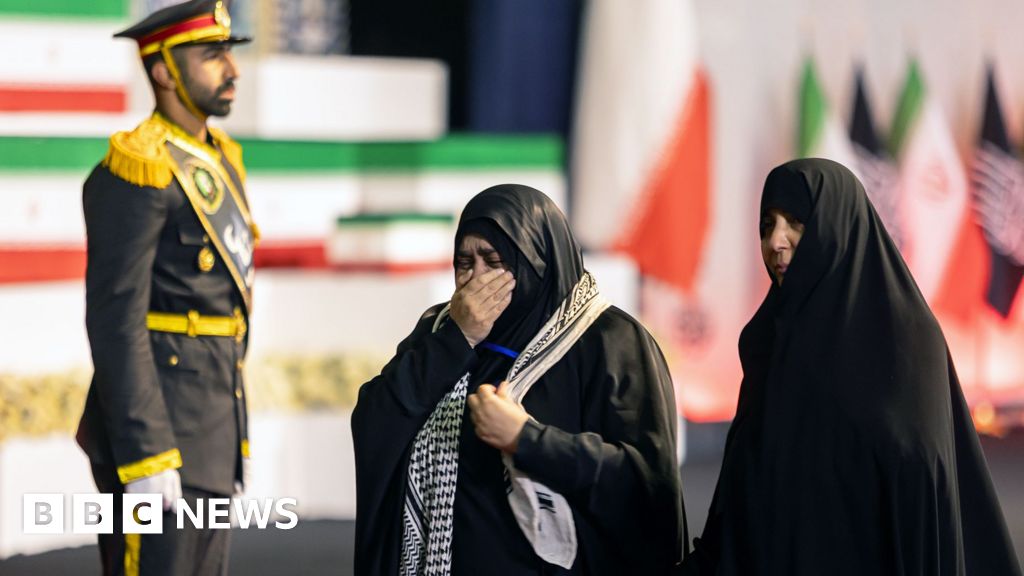
Iran is preparing for the ceremonial funeral of its Supreme Leader, Ali Khamenei, who has passed away. This significant event will not only draw attention within the country but also resonate with various communities across the region, given Khamenei’s influential role in both Iranian and Middle Eastern politics.
Mourning in Tehran
Following the death of Khamenei, his body will be placed in state at Tehran’s Grand Mosalla, a large prayer hall, where thousands of citizens are expected to pay their final respects. The atmosphere in the capital is one of somber reflection, as Iranians from all walks of life come together to honor a leader who has shaped the nation’s trajectory for decades. The days leading up to the funeral will be filled with emotional tributes, recounting Khamenei’s pivotal role in Iranian leadership since he took over the Supreme Leader position in 1989.
The Funeral Procession
After lying in state in Tehran, Khamenei’s body will embark on a journey across Iran and Iraq. This procession is intended to allow more individuals to participate in commemorating his legacy, reflecting Khamenei’s longstanding influence not only in Iran but also among Shia communities in neighboring Iraq. The mourning period will highlight sentiments of unity among supporters, showcasing a collective grief while also eliciting various sentiments about the future political landscape in Iran.
Impacts on Regional Politics
Khamenei’s death comes at a crucial time. His leadership guided Iran’s foreign policies and shaped its interactions with other nations. As political analysts speculate about the implications of this transition, there are concerns regarding power vacuums and potential shifts in Iran’s governance. The succession will likely be scrutinized, with many wondering how it will affect Iran’s relationships with allies and adversaries alike.
In particular, the role of the Revolutionary Guard and other key military figures will be under the microscope, as they have significantly influenced Iranian policy and its regional ambitions. The Iranian populace is keenly aware of the implications of such leadership changes, and many are awaiting clear signals from the current political establishment regarding its direction.
Looking Ahead
While the country collectively grieves, questions arise about the future of leadership in Iran. Will the next Supreme Leader sustain Khamenei’s ideologies, and how will this impact Iran’s domestic and international policies? These questions linger as the nation stands on the threshold of change. Observers from around the world are paying close attention to how the mourning process unfolds, marking a pivotal moment in Iranian history.
The road ahead is fraught with uncertainty, but the impact of Khamenei’s legacy will undoubtedly continue to shape Iranian society. As the nation honors its former leader, it must also prepare for the challenges that lie in the wake of his passing, navigating through both internal and external pressures that will define Iran’s immediate future.