
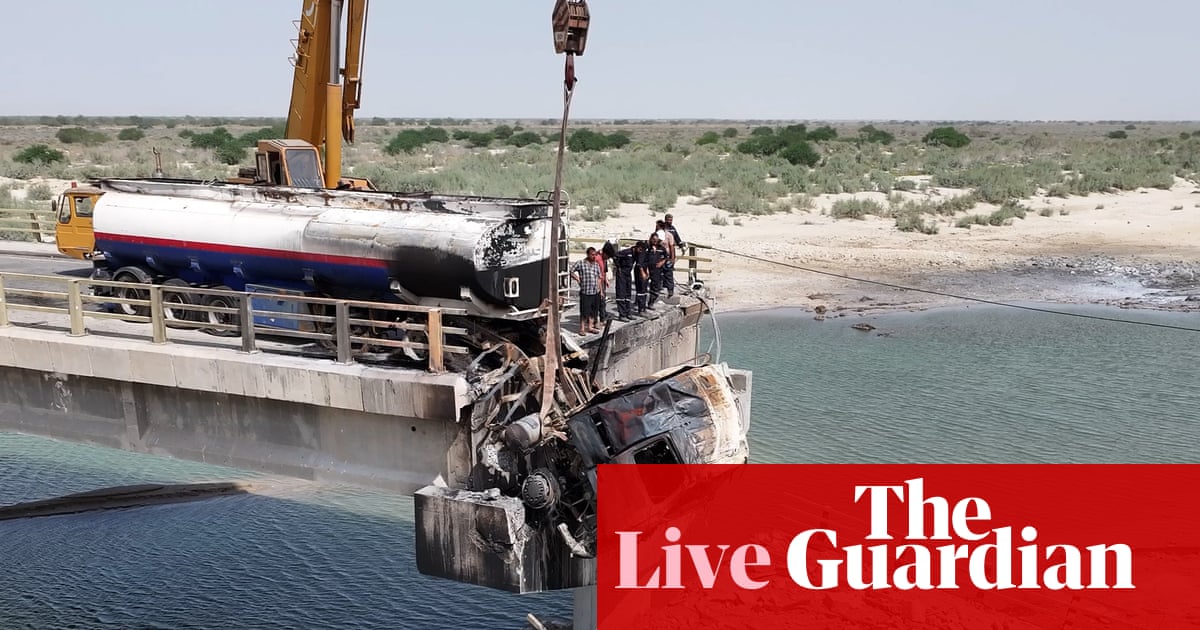
In recent escalations of regional conflict, the situation between the United States and Iran has intensified dramatically, particularly concerning military engagements in the Middle East. Hostilities arose after a deadly attack left two American service members dead in Jordan, leading to a swift and determined military response from the U.S. This ongoing turmoil has serious implications for stability in the region, with multiple factions involved and a growing humanitarian concern.
Kuwait’s Response to Iranian Aggression
Kuwait has reported missile and drone strikes, describing them as a direct result of “Iranian aggression.” The Kuwaiti military quickly reassured residents, suggesting any explosions heard would likely be related to their air defense systems intercepting these foreign attacks. Iran’s military had claimed responsibility for targeting U.S. bases in Kuwait, specifically striking an ammunition depot and radar systems, reportedly as a form of retaliation for previous U.S. actions in Iran.
The U.S. Military’s Counterattack
In a decisive move, the U.S. military conducted airstrikes against Iranian Revolutionary Guard targets. This operation was described as a means to “swiftly punish” Iran for the attack that resulted in American casualties. President Donald Trump termed these losses as tragic, reiterating the need to prevent Iran from acquiring nuclear capabilities. As military efforts continue, U.S. Central Command has highlighted that these operations aim to diminish Iran’s ability to threaten commercial shipping, particularly through strategic maritime zones like the Strait of Hormuz.
Iran’s Strategic Retaliation
As the conflict escalates, Iran’s leadership has promised repercussions for U.S. actions. Supreme Leader Mojtaba Khamenei warned that the U.S. would incur heavy costs for its military objectives in the region. Meanwhile, Iranian strikes have not just been limited to U.S. military bases; civilian infrastructure, such as desalination plants crucial for Kuwait’s water supply, has also been targeted, illustrating the broader humanitarian impact of this conflict.
Developments and Global Implications
The repercussions of these military operations extend beyond the immediate conflict. The U.S. now faces criticism not only for its military strategies but also for how these actions could disrupt global energy markets and provoke further regional instability. Iran’s threats to its neighbors, including targeting U.S. allies in the Gulf and potentially jeopardizing oil shipping routes, could have far-reaching consequences for global economies, especially as the situation develops further.
As tensions heighten, it is clear that the ongoing military actions are raising concerns about returning to a state of full-scale war, making diplomatic efforts increasingly urgent. The complexity of this situation, involving multiple military and government entities, underlines the need for strategic dialogue and negotiation before conflict spirals out of control.