
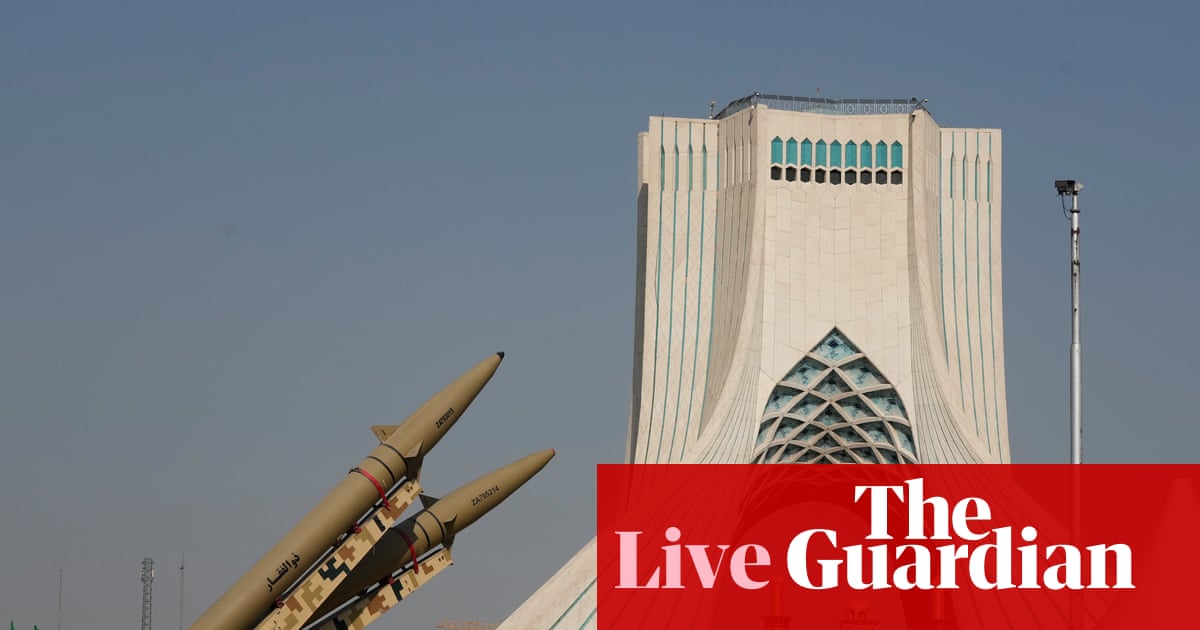
The ongoing tensions in the Middle East have escalated dramatically, with the United States engaging in renewed military actions against Iran. This latest surge of hostilities comes after a brief period of relative calm, raising concerns about the potential for a broader conflict in the region.
Recent Developments in US-Iran Relations
The U.S. has confirmed airstrikes on Iranian targets following a notable pause in direct military engagement. President Donald Trump stated emphatically that the U.S. would “strike Iran hard,” suggesting that the military actions were a direct response to Iran’s recent offensive attempts against American forces in the Middle East. These developments underscore the precarious nature of U.S.-Iran relations and highlight the volatility of the situation as both nations continue to exchange fire.
On the same day, Iran retaliated by launching missiles at U.S. military installations in Jordan, marking its first engagement in the area after the temporary lull. Meanwhile, U.S. and Saudi coalition forces targeted Iranian-backed militias in Iraq, resulting in the deaths of twenty militia fighters and six Iranian advisers. This descent into violence raises fears of a full-blown war, reigniting a five-month conflict that had previously seen some efforts at mediation.
Impacts on Regional Stability
The repercussions of these renewed conflicts ripple through the region, significantly affecting oil markets and international relations. Brent crude oil prices surged by 7.3% to $88 per barrel due to the escalating tensions, further complicating an already fragile economic landscape. Additionally, reports of drone strikes at the Egyptian port of Damietta have raised concerns, with ongoing investigations into the perpetrators behind these attacks on U.S. and Greek-owned vessels.
A senior Iraqi official has condemned the U.S.-Saudi airstrikes as “a blatant violation of Iraq’s sovereignty,” reflecting the growing dissatisfaction among regional governments toward foreign military actions. This growing resistance hints at increasing regional instability as nations grapple with the challenges of territorial integrity and national security in the wake of such military actions.
Hopes for Mediation Amidst Rising Tensions
Prior to recent events, there had been optimism regarding diplomatic efforts to reignite negotiations between the United States and Iran. However, the latest violence has severely hampered those efforts. Mediators expressed their frustrations, indicating little progress towards restoring a ceasefire, as both sides remained stubborn in their military campaigns against one another.
The international community watches closely, aware that a full-scale war could derail not just regional stability but also global economic interests. With key players like Israel, Saudi Arabia, and the U.S. deeply involved, the complexity of the geopolitical landscape necessitates careful navigation to prevent an escalation that could have far-reaching consequences.
In summary, as both the U.S. and Iran engage in provocations that threaten to spiral into all-out conflict, the stakes have never been higher. The interplay of military actions, economic consequences, and diplomatic failures underscores the urgency for a renewed commitment to peace talks to stabilize the region.