
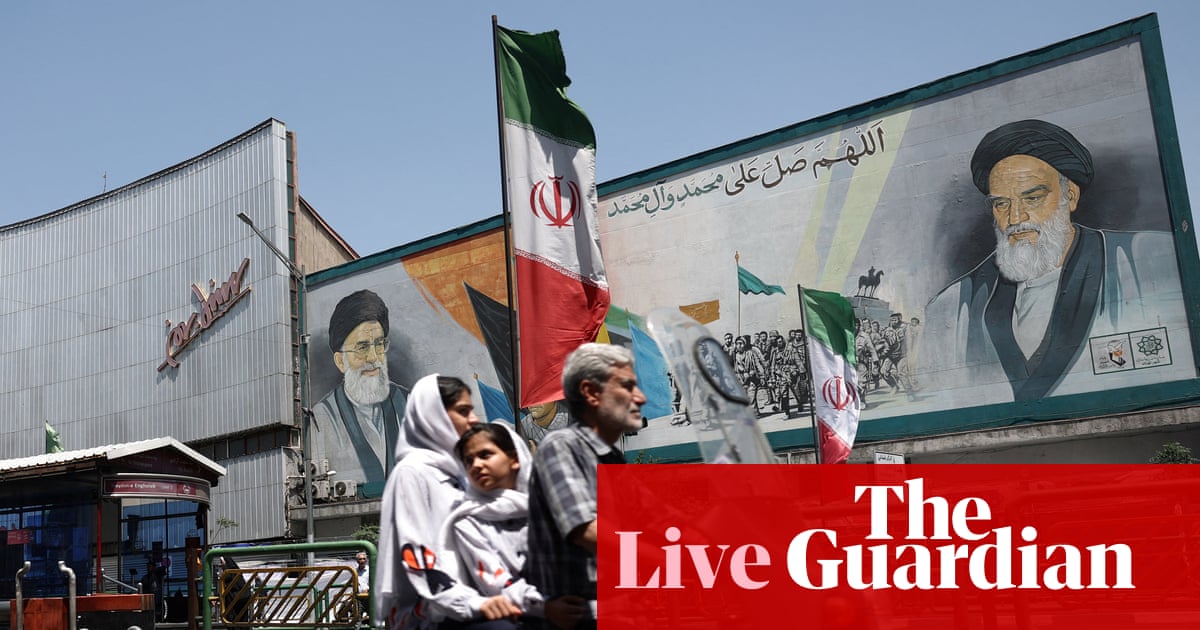
The escalating tensions in the Middle East have reached a critical juncture as Iran claims to have executed missile strikes targeting a Jordanian airbase housing U.S. forces, marking a significant escalation in hostilities. This act comes amid a backdrop of ongoing conflict and failed ceasefire agreements that have characterized the region’s recent history.
Missile Strikes Amid Ongoing Tensions
Reports from Iran’s Revolutionary Guards indicate that missiles were specifically aimed at the Muwaffaq Salti airbase, which reportedly hosts U.S. F-35 fighter jets. The situation intensifies speculation about potential consequences if these claims are confirmed, as neither the U.S. nor Jordan have acknowledged the attacks publicly. This would represent a notable escalation, potentially marking an unprecedented direct assault by Iran on Jordan since a ceasefire was established in April.
The U.S. military’s recent actions include multiple strikes on Iranian sites, described as retaliatory measures following the crash of a U.S. Apache helicopter, which had been downed under unclear circumstances—initial accounts suggest it may have collided with an Iranian drone. President Donald Trump declared the necessity for a U.S. response on social media, underscoring an aggressive posture in response to perceived Iranian provocations.
Iran’s Retaliation and Regional Implications
Following the U.S. strikes, Iranian state media reported that retaliatory drone attacks targeted U.S. bases throughout the region, including the U.S. Fifth Fleet stationed in Bahrain. Kuwait and Bahrain promptly issued air raid alerts, signaling that regional tensions were escalating to alarming levels. Additionally, Iran’s leadership conveyed that no attack would go unanswered, with Foreign Minister Abbas Araghchi asserting that the U.S. had chosen to test Iran’s resolve.
Five hours before the airstrikes commenced, Trump communicated via social media that a response was mandatory. This swift shift in tone reflects the high-pressure dynamics governing U.S.-Iran relations, highlighting the precariousness of the ongoing ceasefire. This situation is compounded by public statements from Jordan asserting that their air defense successfully intercepted five missiles that originated from Iran, further showcasing the heightened military readiness and tension in the region.
Wider Impacts on Markets and Global Stability
The intensification of conflict impacts not just military and political realms but also economic markets. Asian markets reacted negatively, with Japan’s Nikkei index declining by 0.9% and South Korea’s KOSPI experiencing a sharp 2% drop. Concurrently, oil prices surged nearly 1%, signaling investor anxiety over potential disruptions in supply chains and inflationary pressures that may arise from the ongoing conflict.
Market analysts indicate that while current oil prices are somewhat stabilized, the possibility of sustained disruptions cannot be ignored, particularly if military engagements intensify further. The U.S. is poised to release crucial inflation data, providing insight into how the ongoing tensions are influencing economic conditions domestically and globally.
In summary, the situation remains fluid, with each development carrying weighty implications for both regional and international stability. As Iran solidifies its stance through aggressive rhetoric and military action, the U.S. response will be critical in determining the future trajectory of this multifaceted crisis.