
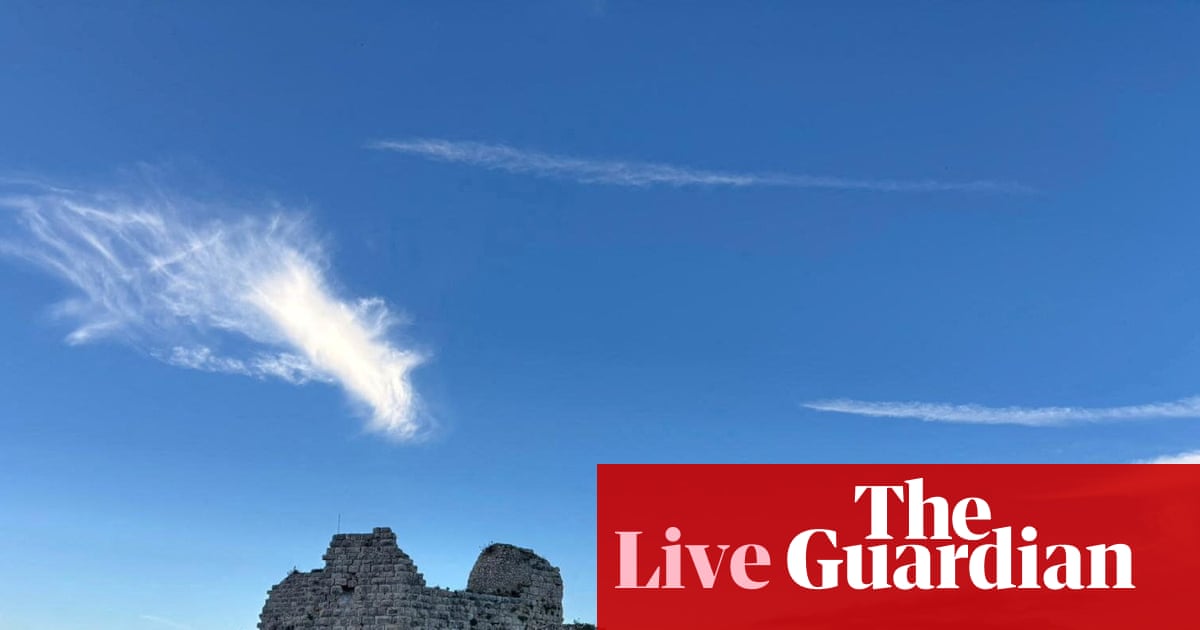
Israeli forces have executed a significant military operation by seizing a strategically important mountain with a Crusader-era castle in southern Lebanon. This marks Israel’s most extensive incursion into Lebanon in over twenty-five years, escalating tensions in an already volatile region.
Capture of Beaufort Castle
Israel’s recent takeover of the Beaufort castle near Nabatiyeh was the result of several days of intense combat and aerial bombardments targeting nearby villages. The Israeli military has reported confrontations with Hezbollah fighters as they sought to establish control in the rugged terrain. Avichay Adraee, the Israeli army’s Arabic spokesperson, shared images on social media, highlighting troops outside the castle, and Defense Minister Israel Katz confirmed that an Israeli flag had been raised at the site. This castle, previously held by Israeli forces from 1982 until their withdrawal in 2000, has considerable historical significance and has served as a focal point in conflicts between Israel and Lebanon.
Commemoration of Historical Events
Katz emphasized the symbolic importance of this operation on a critical anniversary—the commemoration of soldiers who fell in the First Lebanon War in 1982. “Today, we return to the summit of Beaufort,” he stated on his Telegram channel, as he recognized the historical weight of the moment 44 years after the Battle of Beaufort. This adds a layer of historical context to an already complex situation, where the past influences contemporary military strategies and decisions.
Ongoing Conflict Despite Ceasefire
The Israeli military action comes in the face of a nominal ceasefire that has been in effect since April. This timing raises questions about the future of diplomatic talks scheduled to occur on June 2 and 3 in Washington, D.C. The increased military activity has placed immense pressure on a fragile peace, with residents in the affected areas already fleeing due to escalating violence. Israel has expanded its operational reach, breaching the Litani River, previously considered a boundary, and classifying regions as combat zones.
Casualties and Broader Implications
The conflict has resulted in severe human tolls; according to the Lebanese Health Ministry, the death count in Lebanon since March has risen to 3,371, including both civilians and combatants. Recently, the Israeli army confirmed a soldier’s death following an attack from a Hezbollah drone, raising total Israeli military casualties to 25 since early March. This emerging pattern indicates that both sides are amplifying their military engagement, leading to an increasingly precarious humanitarian situation.
In summary, the ongoing conflict between Israel and Hezbollah illustrates the cyclical nature of violence in the region, with historical sites like Beaufort castle becoming symbols of power and conflict. As diplomatic efforts loom, the future remains uncertain, stressing the importance of monitoring developments closely.