
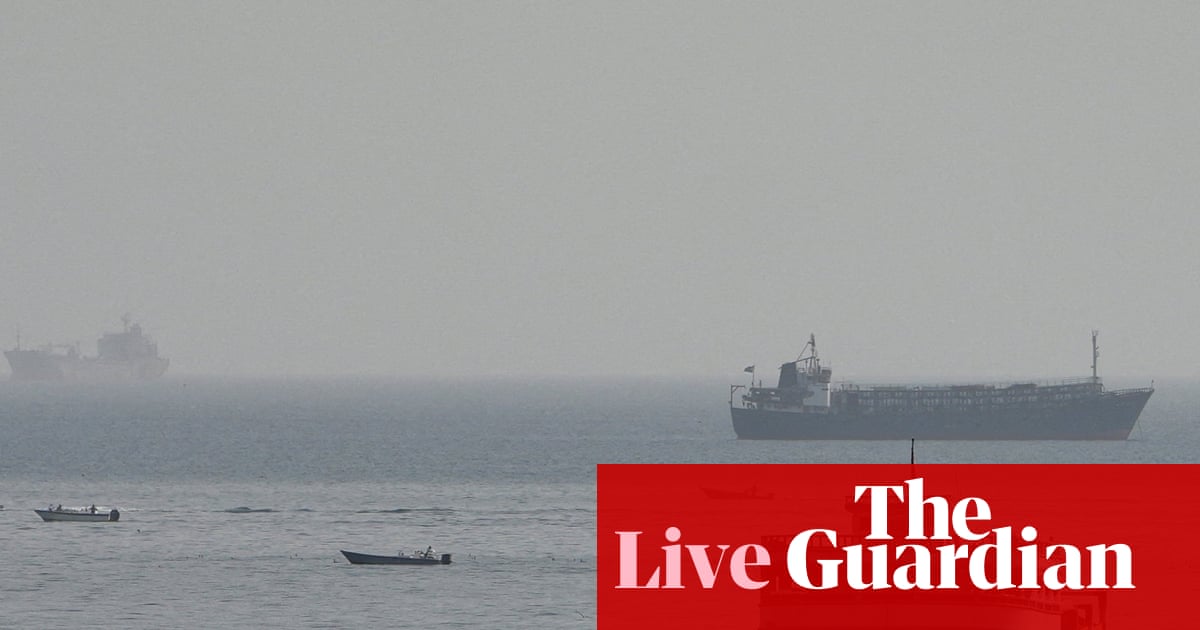
U.S. and Iran Indicate Possibility of Agreement on Hormuz Strait
In a noteworthy development for international relations, recent statements from U.S. officials suggest that a potential resolution regarding the strategic Strait of Hormuz might be on the horizon. Discussions are focused on restoring vital shipping routes, which have become increasingly contentious amid rising geopolitical tensions.
Diplomatic Optimism from U.S. Officials
U.S. President Donald Trump expressed optimism about reaching a deal concerning the Strait of Hormuz, indicating that substantial progress had been made in recent talks. “It could happen. Tomorrow or the next day,” Trump told reporters, emphasizing the advancement towards a diplomatic solution. This sentiment has been echoed by other U.S. officials, including Secretary of State Marco Rubio, who noted ongoing positive discussions.
Iran also appears hopeful, stating that negotiations with Oman—an intermediary ally—have been proceeding positively. This aligns with the broader goal of reopening the Strait of Hormuz, a crucial waterway through which a significant portion of the world’s oil supply is transported.
Key Disagreements on Agreement Terms
However, significant disagreement remains regarding the terms of any potential deal. Iran has advocated for greater control over the Strait of Hormuz, which is pivotal for global oil transportation, accounting for roughly 20% of oil shipments worldwide prior to rising tensions. In contrast, the U.S. firmly rejects these demands, complicating matters further. Since late February, the Strait has been largely shut down, leading to skyrocketing global energy prices.
Critically, while talks may suggest a softening of positions, Iran has cautioned that any proposed agreement would not guarantee immediate reopening of the strait. A primary demand from Tehran has been the removal of U.S. naval blockades on its ports; Iran warns that unless these blockades are lifted, it may maintain a closure on the shipping passage.
The Importance of U.S.-Iran Relations for Global Energy Markets
The tension surrounding the Strait of Hormuz heavily impacts global energy markets, as fluctuations in oil prices are closely linked to events in the region. According to recent reports, Brent crude prices have surged back above $80 a barrel as the situation evolves, reflecting investor uncertainty. As potential agreements emerge or falter, oil prices may fluctuate in tandem, affecting fuel prices worldwide and strangling economic recovery efforts.
Both nations continue to exchange accusations regarding breaches of previous agreements, adding layers of complexity to the current negotiations. For instance, both sides have claimed violations of a June memorandum of understanding, highlighting the fragility of the diplomatic environment.
Key Factors Influencing Future Agreements
Looking ahead, any future agreements concerning the Strait of Hormuz will likely depend on shifting behaviors from both the U.S. and Iran. Iran’s state media has suggested that discussions exclusively between Tehran and Oman regarding vessel arrangements will not have direct implications on whether the strait will open. To move forward, a consensus on key issues—including sanctions, military presence, and regional security—will be paramount.
In conclusion, the evolving situation in the Strait of Hormuz illustrates the intricate dance of diplomacy, power, and global economics. As the U.S. and Iran continue to navigate these treacherous waters, stakeholders worldwide will closely watch the outcomes and their implications for international oil markets.