
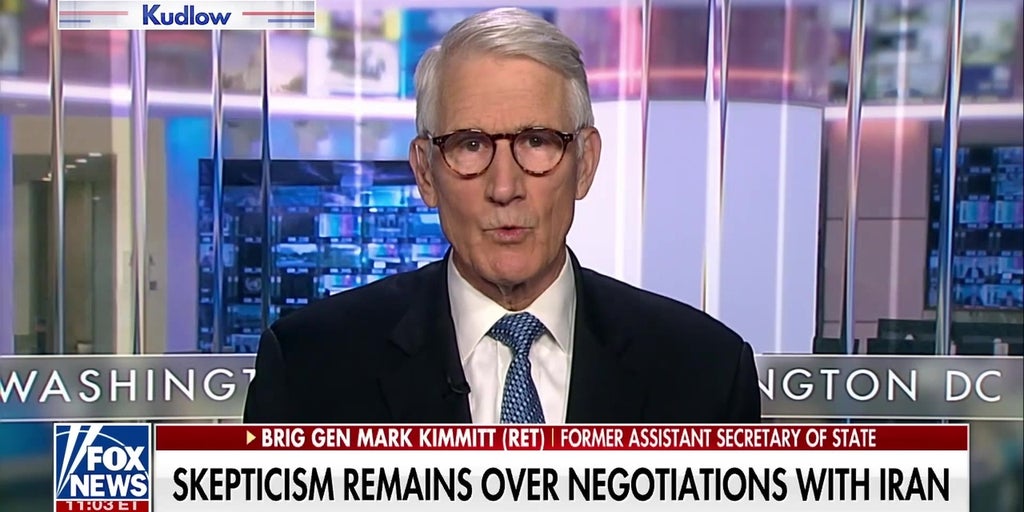
The ongoing discussions about a potential peace agreement between the United States and Iran have garnered significant attention. As global powers engage in negotiations, the implications of such a deal could have far-reaching effects in both the Middle East and beyond.
An Overview of the Proposed Peace Deal
The proposed agreement aims to address longstanding tensions between the U.S. and Iran which date back several decades. Under the terms of this potential deal, Tehran would be expected to adhere to a strict set of conditions, primarily focused on its nuclear program and regional influence. Washington, on the other hand, might consider lifting sanctions that have put severe economic pressure on the Iranian population. This complex negotiation process is not merely about nuclear capabilities but also involves addressing Iran’s ballistic missile program and its influence in nearby conflicts.
For the United States, a successful deal could pave the way for more stability in the Middle East, offering a chance to resolve conflicts such as those in Iraq and Syria. A reduction in hostilities with Iran may allow the U.S. to redirect its resources toward other global issues. Conversely, Iran perceives this agreement as a lifeline to rejuvenate its economy and diminish international isolation. The pressure from a populace struggling with economic sanctions creates a nuanced backdrop, making the stakes incredibly high.
The negotiations also involve significant interests from other global players, including European nations and regional powers like Saudi Arabia and Israel. These countries closely monitor the situation and have expressed varying degrees of concern and optimism regarding the proposed deal. Some fear that any easing of sanctions could empower Iran’s influence in the region, while others see this as a potential path to reduced tensions. The intricate dynamics among these stakeholders complicate the negotiation process and add layers of complexity to the potential outcome.
Various challenges lie ahead in finalizing a peace deal. Skepticism within both Iran and the U.S. congress poses a significant hurdle. Lawmakers and political factions in both countries may oppose the deal as it stands, fearing that it does not go far enough to curb Iranian aggression. Moreover, the historical mistrust between these nations looms large, making it difficult to build a foundation of confidence required for a lasting agreement. Both sides must navigate domestic political landscapes in addition to the intricacies of international diplomacy.
As negotiations continue, the world watches closely. The implications of a U.S.-Iran peace deal are vast, affecting not only the two nations but also regional stability and global security dynamics. While the hopes for a successful agreement rise, so do the stakes, reminding us that peace is often a precarious pursuit in geopolitics. The coming months will provide critical insight into whether these talks can translate into a meaningful resolution or if tensions will continue to prevail.