
The U.S. Navy’s acting secretary has announced a temporary halt in arms sales to Taiwan, emphasizing the need to prioritize American munitions for operations in Iran. This decision comes amidst ongoing tensions in the region, raising pertinent questions about U.S. military commitments and Taiwan’s defense capabilities.
Pause in Arms Sales to Taiwan
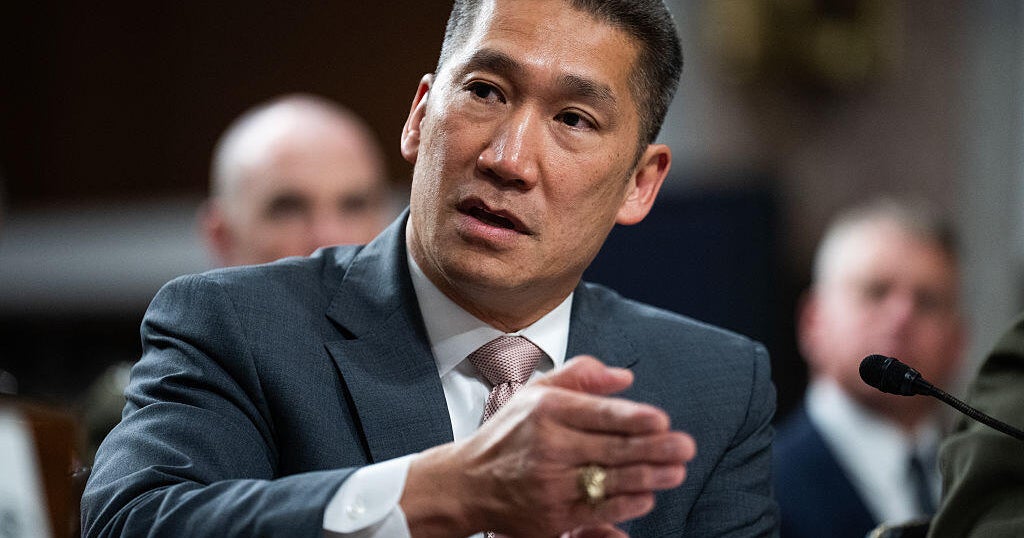
During a congressional hearing, Acting Secretary Hung Cao stated that the $14 billion weapon package for Taiwan was currently on hold. He explained that this pause is necessary to ensure that U.S. forces are adequately supplied for “Epic Fury,” an operation that is expected to demand extensive resources. He confirmed, however, that these foreign military sales would resume once the administration assesses that conditions are favorable.
The State Department and the Pentagon have not yet commented on Cao’s statements, leaving many uncertain about the timeline for the resumption of these arms sales. One crucial aspect of this situation is President Trump’s reluctance to fully endorse the arms package, which heightens concerns about U.S. support for Taiwan amid increasing aggressive rhetoric from China, which claims sovereignty over the island.
Trump’s Approach to Taiwan and China
President Trump had indicated before his recent visit to China that he would discuss the arms sales with Chinese President Xi Jinping. This marks a significant shift from past U.S. policies that maintained a stance of not consulting Beijing on arms transactions with Taiwan. While onboard Air Force One, Trump stated that Xi had indeed addressed the issue; however, he refrained from making any commitments regarding the arms deal or the defense of Taiwan in the event of a Chinese incursion.
Lawmakers from both parties have urged the Trump administration to continue its arms support for Taiwan. Representative Michael McCaul, a Texas Republican and former chair of the House Foreign Affairs Committee, stressed the importance of equipping Taiwan so they can defend themselves against potential threats from China. This bipartisan support underscores the strategic importance of Taiwan in U.S. military policy.
U.S. Commitment to Taiwan Defense
Despite formally recognizing only Beijing, U.S. law mandates that America provide defensive arms to Taiwan, a self-governing democracy. The U.S. had previously approved a landmark arms sale totaling $11 billion to Taiwan in late 2025, but the current $14 billion package has been stalled for months. The need for a solid U.S. response to Chinese military assertiveness is becoming increasingly urgent, especially as China intensifies its threats to take control of Taiwan.
As the geopolitical landscape continues to evolve, the implications of U.S. arms sales to Taiwan loom large. The pause in these sales not only affects Taiwan’s defense capabilities but also sends ripples through the broader U.S.-China relationship. With China’s military assertiveness on the rise, the challenge lies in finding a balance that preserves Taiwan’s autonomy while ensuring that U.S. commitments are met.
In conclusion, as tensions simmer in the Asia-Pacific region, all eyes will be on the U.S. administration’s next moves regarding arms sales to Taiwan. The decisions made here will not only influence Taiwan’s ability to defend itself but also have profound implications for U.S.-China relations moving forward.