
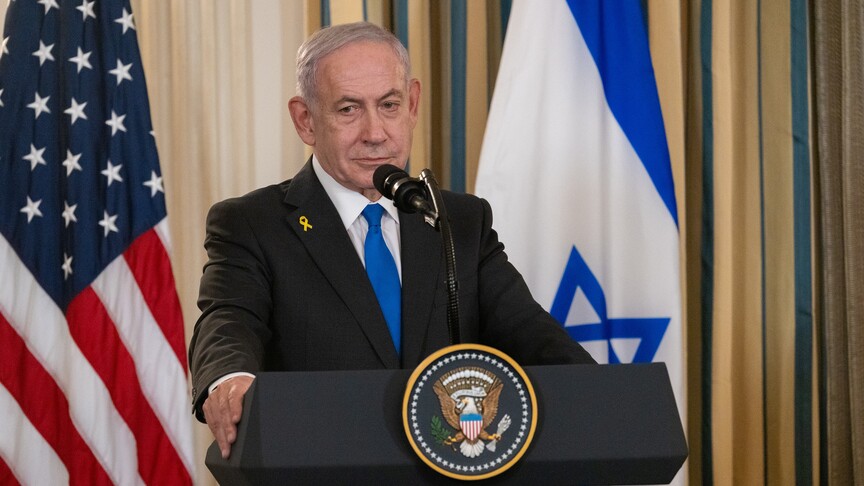
Israeli Prime Minister Benjamin Netanyahu recently issued a stern warning to Iran, asserting that any attack against Israel would result in a devastating response from the Israeli military. This declaration was made during a weekly cabinet meeting as the countdown to the Knesset elections on October 27 begins, amidst dwindling support for Netanyahu and his Likud party.
Political Maneuvering Amidst Election Pressure
Netanyahu’s remarks come at a time of increased political pressure. Reports suggest he is ramping up military rhetoric to win favor with far-right factions ahead of the elections. The political landscape has changed significantly for Netanyahu since he first took office, and with polls showing diminishing support, his comments may be viewed as an effort to galvanize his political base. “If Iran makes a mistake and attacks us, it will receive a blow it cannot even imagine,” he emphasized, indicating a willingness to adopt a hardline stance.
Claims of Strength and Strategic Successes
In spite of the challenges faced by Israel in recent military endeavors, Netanyahu asserted that the nation is exhibiting unprecedented strength, whereas its adversaries are reportedly weaker than ever. He added that along with U.S. collaboration, significant strides have been made to neutralize existential threats. Netanyahu claimed these efforts include staving off concerns related to nuclear capabilities and ballistic missiles, framing the Iranian government as being on the verge of collapse.
Escalation of Regional Tensions
The situation in the region remains volatile, especially following coordinated attacks by U.S. and Israeli forces against Iranian targets that began on February 28. In retaliation, Tehran has conducted missile and drone strikes aimed at Israeli and American interests throughout the Middle East. This ongoing cycle of military engagement highlights the fragility of regional stability as both sides continue to engage in aggressive posturing.
Efforts Toward Resolution and Ongoing Conflicts
In June, Iran and the U.S. signed a memorandum of understanding, facilitated by Pakistan and Qatar, with the intention of reducing hostilities and addressing economic sanctions, along with ensuring the safe reopening of the Strait of Hormuz. However, each side has since accused the other of failing to uphold their obligations outlined in the agreement. This accusation has only exacerbated military tensions, as disputes over sanctions and navigation persist.
As the October elections approach, Netanyahu’s actions reflect a complex interplay between international affairs and domestic politics. The heightened rhetoric in response to Iranian threats serves not only as a warning to Iran but also as a tactical maneuver within the ever-changing landscape of Israeli politics. The culmination of these events will be crucial in determining not just the future of Netanyahu’s leadership but also the broader geopolitical dynamics in the region.