
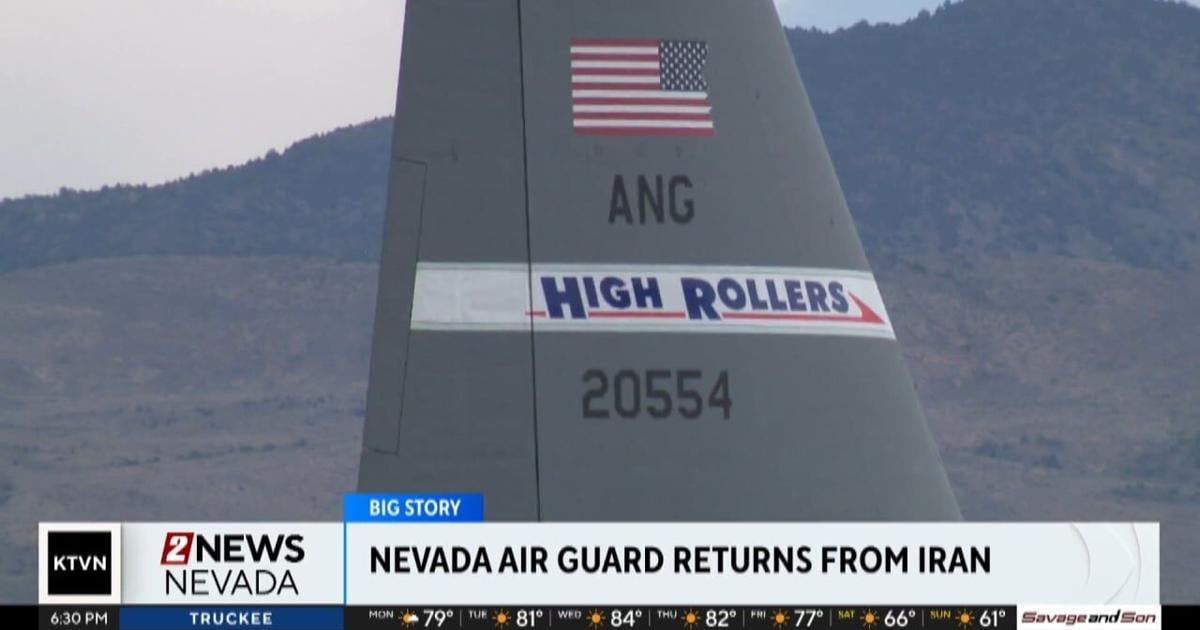
Returning Home: The Journey of Servicemembers
The return of servicemembers from duty is always a poignant moment, filled with a mixture of joy, relief, and a touch of nostalgia. As these brave individuals reintegrate into civilian life, their experiences can provide valuable insights into the challenges they face, the support systems available, and the gratitude that communities express.
The Emotional Impact of Homecoming
For many servicemembers, returning home signifies more than just the end of deployment; it represents the beginning of a new chapter filled with emotional complexities. The thrill of reuniting with family and friends often coexists with feelings of anxiety and adjustment. These brave men and women have experienced life in environments vastly different from their hometowns, and reconnection with loved ones can come with unexpected challenges.
Understanding the emotional landscape is crucial for both the servicemembers and their families. While they may be eager to share stories of their experiences, there may also be feelings that are difficult to articulate. The importance of open lines of communication can’t be overstated, as families and friends play a vital role in easing these transitions.
Support Systems for Reintegration
Navigating the transition back to civilian life can be daunting for many servicemembers. Thankfully, numerous support systems have been established to assist them in this process. Programs focused on mental health, career guidance, and community integration aim to address the unique challenges faced during reintegration.
Veterans Affairs offers counseling services that can help individuals cope with post-traumatic stress and other emotional stresses that may accompany their return. Furthermore, job training programs are available, helping servicemembers translate their military skills into civilian roles, easing their transition into the workforce. Local community organizations often host events that foster social connections, reducing feelings of isolation and reinforcing the support network.
The Role of Community in Reintegration
The role of the community cannot be understated when it comes to supporting returning servicemembers. Local businesses and residents can create a welcoming atmosphere that acknowledges and appreciates the sacrifices made by these individuals. Simple gestures, such as hosting welcome-home ceremonies or offering discounts for servicemembers at local establishments, can make a significant impact in fostering goodwill.
Community involvement is crucial in combating the stigma sometimes attached to mental health challenges. By engaging in open dialogues about the importance of mental health support, communities can help dismantle barriers that servicemembers may face when seeking help. Initiatives like veterans’ roundtable discussions not only build connections but also provide a platform for sharing experiences, thoughts, and resources.
The Path Ahead: Overcoming Challenges Together
The journey for returning servicemembers is one that requires patience, understanding, and collaborative efforts from families, friends, and the broader community. While the challenges may seem daunting, every step taken towards reconciliation, understanding, and support truly matters. As these heroes transition back into civilian life, their stories remind us of the resilience of the human spirit and the enduring power of connection.
In essence, the return of servicemembers is a collective responsibility that binds us all. By fostering an environment rooted in compassion and understanding, we can ensure that these individuals not only find a place to call home but also feel valued and supported as they navigate the complexities of reintegration.