
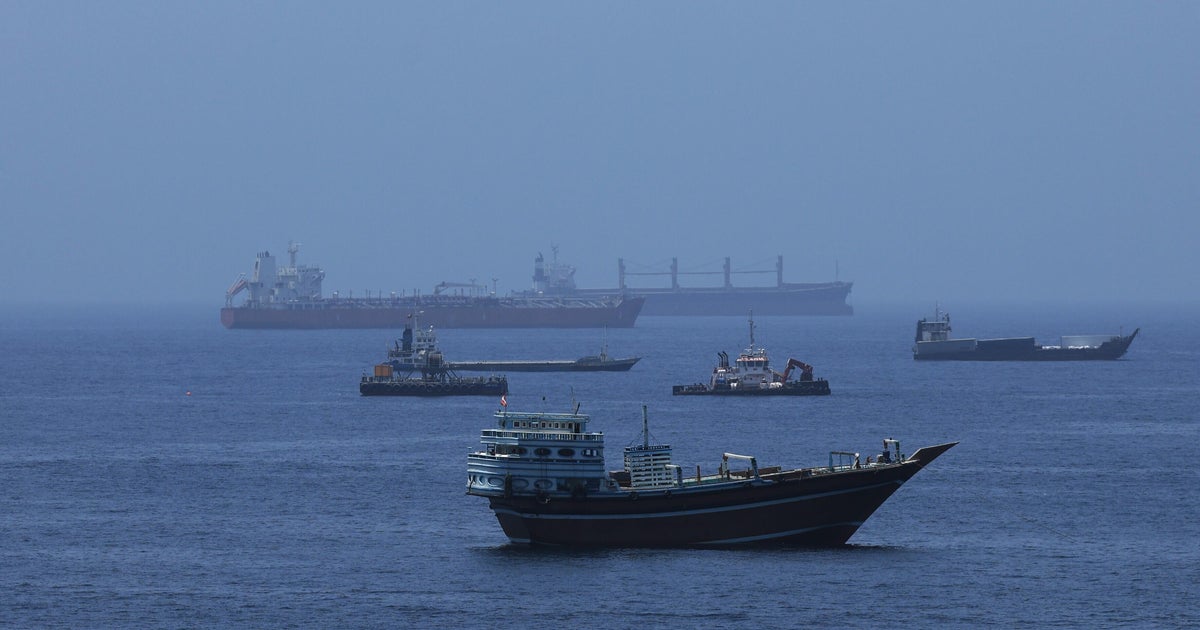
In recent international affairs, tensions surrounding the Strait of Hormuz have escalated, with U.S. Secretary of State Marco Rubio calling attention to the dangers of Iranian tolls on ships traversing this vital waterway. His remarks come amid ongoing geopolitical negotiations and widespread concerns about regional security.
Rubio Warns Against Iranian Control
Secretary Rubio expressed his strong opposition to the potential for Iran to impose tolls on vessels passing through the Strait of Hormuz. He emphasized that international waterways should remain accessible to all nations, asserting, “This is a foundational principle in the world today, without which the world would be in total chaos.” Speaking to the Gulf Cooperation Council in Bahrain, he articulated fears that allowing such practices by Iran could lead to similar actions by other nations, which would further destabilize global maritime commerce. “If we accept that you can charge money to use an international waterway because it happens to be near your territorial space, well then this will spread throughout the world like a contagion,” Rubio warned.
His remarks come during his first regional tour since the U.S. and Iran reached a memorandum of understanding aimed at reducing hostilities in the Middle East. While he underscored the U.S.’s interest in achieving a long-term peace deal, he made it clear that the terms would need to be robust, emphasizing, “We want a deal that’s good, we want a deal that’s real, we want a deal that’s verifiable, and we want a deal that’s adhered to.”
Substantial Decline in Oil Prices
Meanwhile, the oil market is experiencing fluctuations, with Brent crude prices falling 3.8% to settle at $73.87 per barrel, indicating a decrease below the $80 threshold observed in recent weeks. Despite these reductions, prices remain higher than the approximate $70 per barrel mark noted just prior to the onset of the war in February. U.S. crude prices similarly declined by 3.9% to $70.34 a barrel, reflecting a general trend impacted by ongoing negotiations and shifts in geopolitical dynamics. A slight recovery in shipping activity through the Strait of Hormuz has been noted, but the full impact on global oil supply remains uncertain.
Rubio Reassures U.S. Allies
During his visit to the Gulf region, Rubio assured American allies, particularly in the Gulf Cooperation Council, that the U.S. would prioritize their security interests as negotiations with Iran continue. “We’re going to be completely aligned with our partners in the Gulf,” he stated in Kuwait City, emphasizing the importance of collaborative dialogue. Despite the initial U.S.-Iran agreement focusing on a 60-day negotiation process, concerns regarding Iran’s missile program have not been sufficiently addressed, leaving Gulf nations apprehensive.
Rubio’s commitment to maintaining security partnerships suggests that despite pursuing diplomatic avenues, the U.S. remains vigilant against any actions that could jeopardize Gulf allies’ safety. His discussions in Bahrain and meetings with various Gulf leaders are aimed at ensuring that all decisions related to negotiations with Iran will involve their input and consideration.
Shifting Political Dynamics in Washington
In a related development, the Senate recently rejected a measure intended to limit President Trump’s ability to engage militarily with Iran. The procedural vote, which concluded in a 50 to 47 outcome, highlights an apparent shift in support among key Republican senators, positioning the administration favorably amid growing discontent over Iran’s activities. Notably, Senators Susan Collins and Lisa Murkowski, both Republicans, aligned with the Democratic majority in favor of the resolution, underscoring the divided sentiment within Congress regarding military engagement with Iran.
With these evolving dynamics of international negotiations and geopolitical challenges, the global community watches closely. The outcomes of these discussions will significantly influence not only regional stability in the Middle East but also have ramifications for global markets and security strategies.