
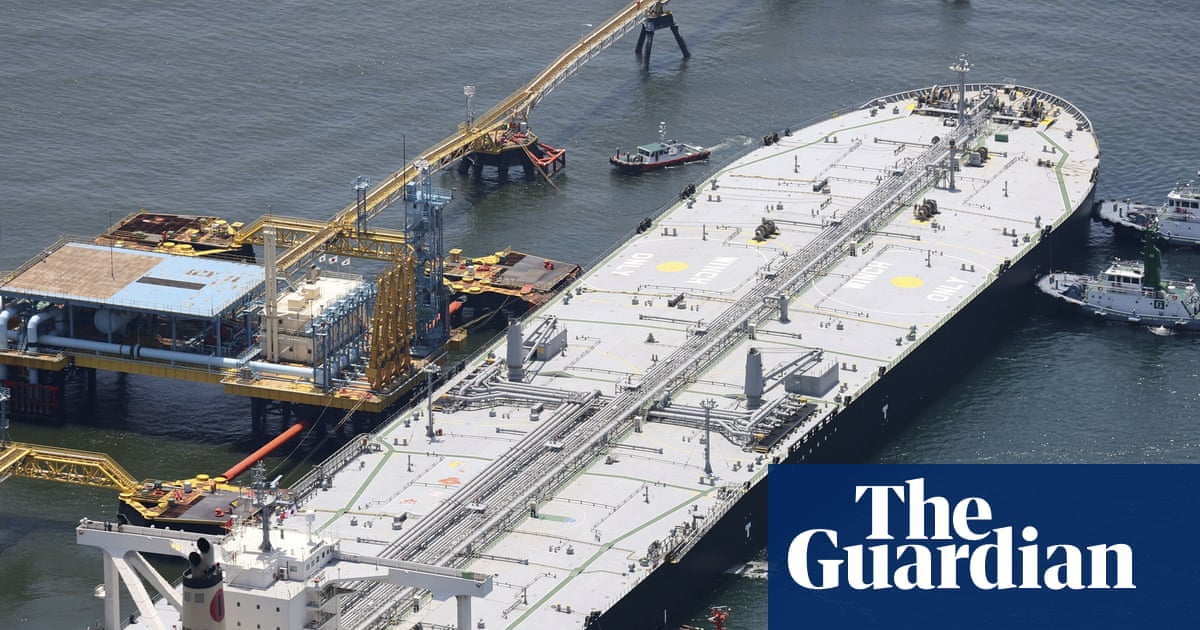
Oil prices have recently dropped below $100 a barrel, while stock markets have seen an upswing, fueled by optimism about potential peace talks between the U.S. and Iran. This development has stirred investor hopes that a resolution could be reached to ease tensions that have impacted global oil supply.
Current Oil Market Trends
Brent crude futures, which serve as the international standard for oil prices, fell by 5.5% to under $98 a barrel, marking a two-week low. The decline is largely attributed to the prospects of an agreement that might end hostilities associated with the U.S.-Israeli engagement against Iran. Nevertheless, significant disagreements, particularly surrounding Iran’s blockade of the Strait of Hormuz, remain. This vital waterway has seen increased pressure after the recent missile strikes by the U.S. and Israel on Tehran that began on February 28, causing oil prices to surge temporarily.
Market Reactions and Cautious Optimism
Warren Patterson, ING’s head of commodities strategy, expressed a cautious outlook, noting that similar situations have occurred in the past, only to see negotiations collapse. This caution is reflected in market behavior, which may temper reactions to evolving news regarding geopolitical tensions. In contrast, Japan’s Nikkei index climbed nearly 3%, while the pan-European Stoxx 600 index rose by 0.8%. It’s worth noting that several markets, including those in the U.S. and the UK, were closed for a public holiday, which may have contributed to these fluctuations.
Currency and Interest Rate Implications
On the currency front, the U.S. dollar saw a slight dip of 0.25% against a basket of major currencies. The British pound increased by 0.5%, reaching $1.3492, its highest value since May 14. Additionally, independent analyst Stephen Innes pointed out that amid these developments, treasury futures experienced a rally, gold prices increased, and equity futures rose. Investors appear to be adjusting their expectations regarding the reopening of the world’s crucial energy supply lines.
As the market reacts to shifts in geopolitical situations, inflation fears loom large across various sectors. The increases in oil and gas prices, along with a rise in the cost of essential goods like fertilizers, signal a potential surge in food prices in the near future. The ramifications of these factors are likely to ripple through economies worldwide.
Future Economic Predictions Based on Iran Conflict
In light of the increasing costs and inflationary pressures, expectations that central banks might consider interest rate cuts have shifted towards predictions of rate hikes. Following the activities surrounding the Iran conflict, market analysts now anticipate that the Bank of England is likely to raise interest rates twice this year. This expectation demonstrates how geopolitical events can directly influence financial strategies and economic forecasts globally.
As the situation develops, both oil prices and stock markets will remain sensitive to news regarding U.S.-Iran relations. Investors will be watching closely for signs of progress in negotiations, which could significantly alter market dynamics. The interplay of these factors illustrates the complex landscape of global economics, shaped by both local and international events.