
Oil prices have surged once again, marking a significant increase following the expiration of a two-month negotiation period aimed at reaching a peace agreement in the ongoing US-Israel conflict with Iran. The end of these discussions could signal a more tumultuous phase for oil prices as tensions escalate in the Middle East.
Escalating Tensions and Rising Oil Prices
Iran’s leadership has announced a shift towards a more aggressive military stance in the aftermath of failed negotiations with the United States. President Donald Trump has publicly called for Iran to surrender, issuing pointed threats against neighboring Oman should it interfere with efforts to conclude the conflict. In a stark warning on Fox News, Trump stated, “If Oman gets in the way, we’ll bomb the shit out of them,” signaling a potential military escalation that has left many analysts apprehensive.
Recent market activity reflects the heightened concerns surrounding oil supply chain disruptions. Brent crude oil crossed the $90 per barrel threshold for the first time since late July, trading at approximately $91.63 on Tuesday morning. This spike can be attributed to investors beginning to factor in the likelihood of prolonged disruptions in oil supply routes, particularly through the Strait of Hormuz, a crucial corridor for global shipping that facilitates approximately a quarter of the world’s oil supply.
Market Reactions and Future Risks
Angeline Ong, a senior technical analyst at the trading platform IG, has highlighted that Trump’s aggressive rhetoric could signal a fundamental shift in how the oil market perceives risks. “If Muscat halts discussions with Tehran, the prospect of restoring safe passage through the Strait of Hormuz seems dim,” Ong noted, suggesting that even minor changes in diplomatic relations can significantly impact oil prices.
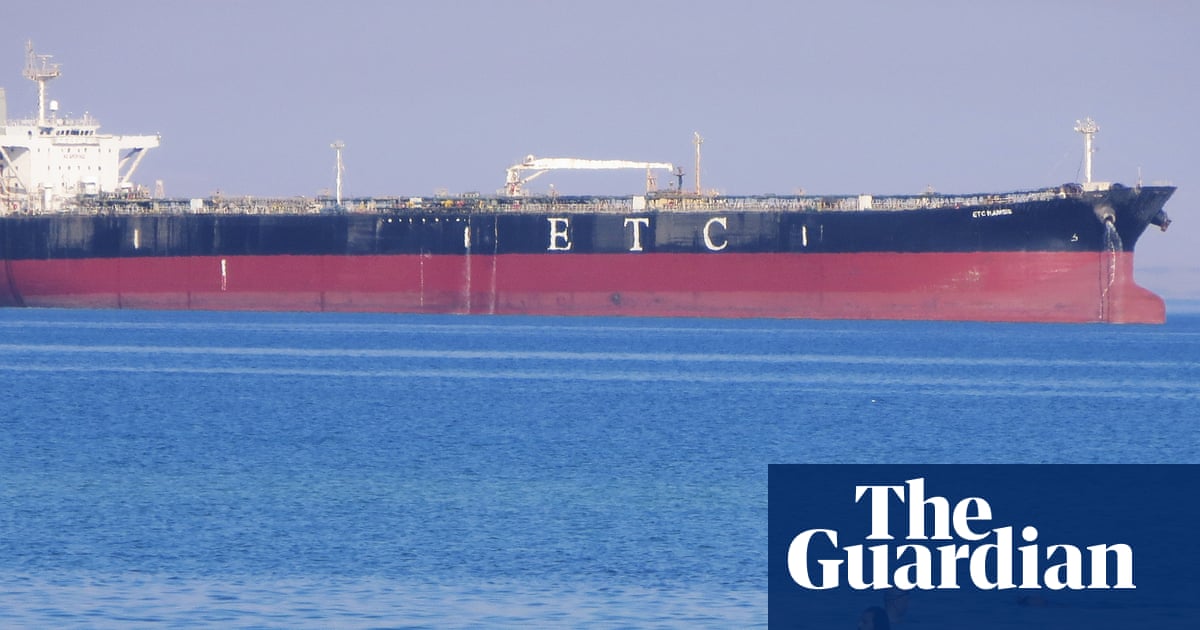
Recent military maneuvers and threats from Iran have already begun to manifest in maritime incidents. Reports indicate that an oil cargo ship was attacked early Tuesday while traversing the Strait, following statements from Iranian officials indicating a shift to a “fully offensive” military posture. Ebrahim Zolfaghari, a military spokesperson, warned that vessels passing through the strait would face dire consequences, underscoring the seriousness of the situation.
Global Supply Chain Implications
The current geopolitical climate has prompted analysts, including those at Deutsche Bank, to conclude that rising oil prices reflect investor concerns about extended closures in vital shipping lanes. On Monday, only six commodity ships managed to navigate the strait, illustrating a potential downtrend in maritime operations. As the situation evolves, experts are bracing for further volatility in energy prices, which could amplify the existing pressures consumers are facing worldwide.
Furthermore, analysts point to the overlapping conflicts in the region, particularly the war in Ukraine, as a potential compounding factor affecting global energy prices. Dan Alamariu, chief geopolitical strategist at Alpine Macro, warns that if hostilities continue, the energy market may face a “double whammy,” with prices spiking even further as tensions rise.
In conclusion, the ongoing conflicts and threats in the Middle East are having a tangible effect on oil prices. Investors are advised to stay vigilant as geopolitical tensions evolve, with the possibility of sustained conflict threatening to destabilize global oil markets indefinitely.