
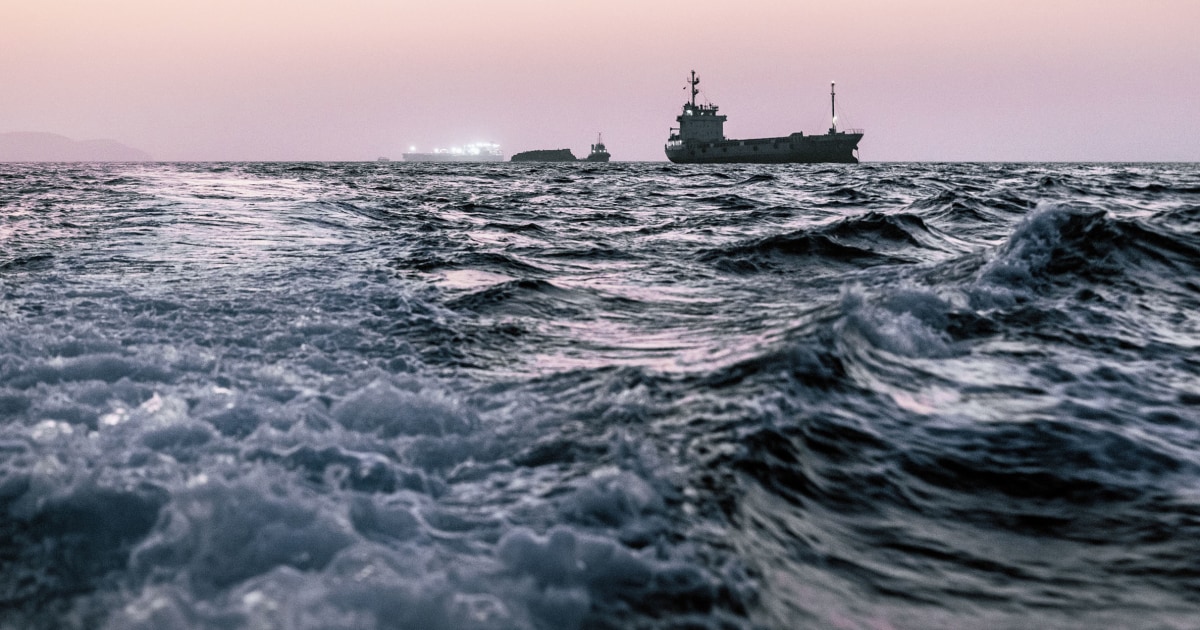
In recent developments surrounding the Strait of Hormuz, Secretary of State Marco Rubio has embarked on a diplomatic mission to Gulf nations, aiming to assuage U.S. allies’ concerns about the current maritime situation. He emphasized the importance of maintaining free passage through international waters, underscoring that the Strait does not belong to any single nation. However, tensions have escalated as Iran’s Revolutionary Guard Navy issued stern warnings against navigating the routes designated by the International Maritime Organization (IMO), highlighting the complexities of maritime law in an increasingly hostile environment.
Iran’s Warnings on Maritime Routes
The Iranian navy has aggressively opposed the routes established by the IMO, asserting that vessels must travel perilously close to Iran’s coastline. They warned that any deviation from this mandated path is “highly dangerous and prohibited.” This declaration comes in stark contrast to an announcement made by authorities about a new vessel traffic route in the Strait of Hormuz, which Iran claims was made without prior consultation. The Revolutionary Guard stated that any vessels violating these orders would be dealt with “accordingly,” although what that entails remains unspecified.
Ship Movements and Economic Implications
Despite the warnings from Iran, ships like the Stoic Warrior and the British-flagged World Prize have begun to navigate alternative routes. The Stoic Warrior successfully made its way out of the Persian Gulf, maintaining a course along the United Arab Emirates’ coastline and avoiding Iranian waters. Recent data indicates that around two dozen ships have adopted this route since early Thursday morning. However, caution prevails among many ship owners, leading to an overall decline in maritime traffic—an indication of existing uncertainties in this sensitive region. Halvor Ellefsen, a director at Fearnleys Shipbrokers, noted that while some shipments are being sent out, there has been a notable reduction in fresh loadings coming from the Gulf excluding Iranian oil.
As these shipping patterns evolve, confidence in the waters of the Strait of Hormuz appears to be slowly returning. The current maritime traffic is gradually lowering energy prices, and several airlines have begun to reduce fuel surcharges. According to recent analyses, approximately 35 million barrels of oil have been transported from the region since the new agreement was enacted, although the flow remains significantly below pre-conflict levels.
The Larger Geopolitical Context
Brent crude, a key international benchmark, has seen its prices drop to around $72 per barrel, pulling back from the highs experienced earlier in the year. Industry experts caution that a genuine return to form for oil production in the Gulf might take several weeks, if not longer. Amidst this ongoing uncertainty, tankers are reportedly racing to exploit a temporary 60-day window for shipping Middle Eastern crude before the reopening of the Hormuz Strait is curtailed.
The IMO has also announced plans to evacuate around 11,000 seafarers in response to the precarious conditions in the region, claiming they have received necessary safety guarantees. Meanwhile, Oman has released guidelines to facilitate maritime navigation along its coastline, including transit and wait time estimates. However, Iran’s insistence on tolls for passage through its waters adds another layer of complexity to an already convoluted situation.
In conclusion, notable figures such as UAE diplomat Anwar Gargash have voiced concerns regarding the evolving geopolitical landscape. He warned against imposing new realities in the Gulf that stem from aggression, asserting that such actions do not create stability but rather set the stage for potential future conflicts. As tensions continue to simmer, global shipping dynamics in the Strait of Hormuz remain on shaky ground.