
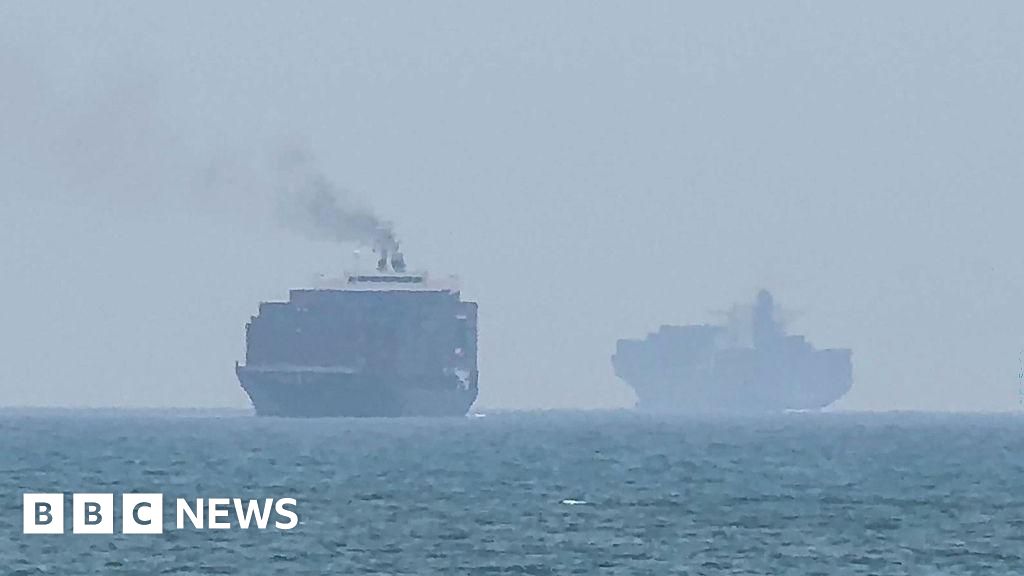
Negotiations are currently underway to establish a new shipping route via the strait, with both parties claiming advancements. However, a definitive resolution has yet to be reached.
Current State of Negotiations
The talks concerning a new shipping corridor through the strait have garnered attention from stakeholders and experts alike. Various factors influence the complexity of these discussions, including regional geopolitics and economic incentives. Representatives from both sides have provided reassuring updates, signaling that progress is being made. Nevertheless, the precise terms and parameters of any agreement are still under scrutiny, making it challenging to determine when a formal resolution might be achieved.
Experts believe that establishing a new route is essential not just for trade efficiency but also for enhancing safety in maritime operations. The strait has long been a critical passage for various shipping lanes, and enhancing its navigational routes could lead to more effective cargo transport while mitigating risks associated with current pathways. The ongoing negotiations are seen as a step in the right direction, even though concluding an agreement could take more time than initially anticipated.
Potential Challenges Ahead
While there has been an optimistic outlook regarding the negotiations, the path forward is not without its hurdles. Issues such as environmental concerns, security considerations, and territorial rights are significant factors that could impede the process. Both parties must navigate these challenges to reach a mutually beneficial agreement. The complexity of the situation further compounds the need for thorough discussions, ensuring that all viewpoints are considered to foster a stable and long-lasting shipping route.
Additionally, the involvement of international stakeholders adds another layer of complexity. Nations interested in the outcomes of the negotiations may have differing opinions on how best to proceed. Balancing these diverse interests will be crucial as the talks continue. As future discussions unfold, it will be essential for both sides to engage transparently and constructively to pave the way for a successful agreement.
Why This Matters for Global Trade
The introduction of a new shipping corridor through the strait holds significant implications for global trade. As an important maritime passage, any developments here could affect shipping efficiency on an international scale. Improved routing could lead to reduced shipping times and costs, thereby benefiting numerous industries reliant on maritime transport.
Furthermore, the new route may contribute to enhanced safety measures in an area known for its challenging navigation conditions. As shipping traffic continues to rise globally, the need for efficient and secure pathways becomes increasingly crucial. Stakeholders in shipping and trade will be watching these talks closely, as successful negotiations can reshape trade dynamics for years to come.
In conclusion, while both sides in the negotiations have indicated that progress is being made toward establishing a new shipping route through the strait, significant challenges remain. The complexities involved necessitate ongoing dialogue and mutual understanding to arrive at a sustainable agreement that benefits all stakeholders. The outcome of these discussions could not only shape the future of regional trade but also influence global shipping practices, making it a topic of major interest in the maritime industry.