
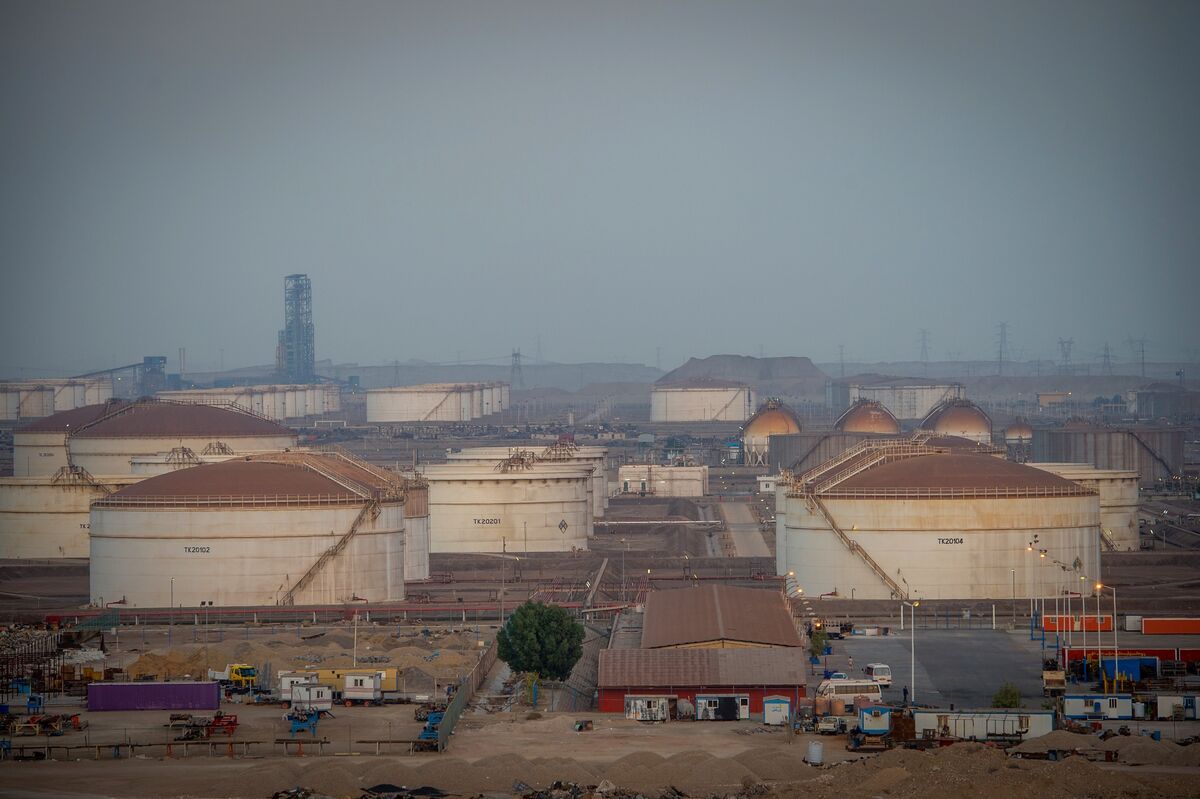
OPEC’s crude oil production recently dropped to its lowest level in 36 years, primarily due to the ongoing conflict in Iran, which has significantly disrupted exports from the Persian Gulf. This decline in output has raised concerns about global oil supply stability and has implications for oil prices worldwide.
Impact of the Iran Conflict on Oil Exports
The ongoing war in Iran has severely restricted the nation’s ability to export oil, leading to a substantial decrease in production levels across the Organization of the Petroleum Exporting Countries (OPEC). Incidents of shutdowns and production halts have been reported, which has further exacerbated the situation. With Iran’s oil infrastructure under pressure, the fallout has ripple effects throughout the global oil market, straining the supply chain and elevating prices.
OPEC’s Production Trends
OPEC’s recent production figures show a significant decline as the average output has plummeted. This downward trend is alarming because OPEC plays a critical role in stabilizing oil markets by managing the supply. Given the rising demand for crude oil globally, any reduction in production can lead to increased prices, which can have a haunting effect on economies that depend heavily on oil imports. The current situation highlights the fragile balance OPEC must maintain between production levels and global demand.
Consequences for Global Oil Prices
As OPEC struggles to meet production quotas, the implications for oil prices are considerable. A decline in supply often triggers a surge in prices, impacting both consumers and businesses. The market dynamics suggest that if the conflict in Iran persists, prices could continue to rise, leading to increased fuel costs for consumers and higher operating expenses for businesses that rely on oil. Economies heavily dependent on oil are likely to experience pressure, and inflation could become a pressing concern.
The Future of Oil Production
The future of OPEC’s oil production remains uncertain, especially in light of geopolitical tensions in the region. The situation requires careful monitoring, as developments in the Iran conflict can lead to further production adjustments. For OPEC nations, the challenge lies in navigating these turbulent waters while attempting to stabilize their economies and satisfy global demand. Ultimately, market watchers will need to remain vigilant, as ongoing developments could reshape the landscape of the oil industry significantly.
In conclusion, OPEC’s decline in crude production amid the Iran war not only presents challenges for oil-reliant economies but also underscores the interconnectedness of global energy markets. As the conflict progresses, the international oil market must adapt to these changes, which could redefine pricing and supply dynamics for the foreseeable future.