
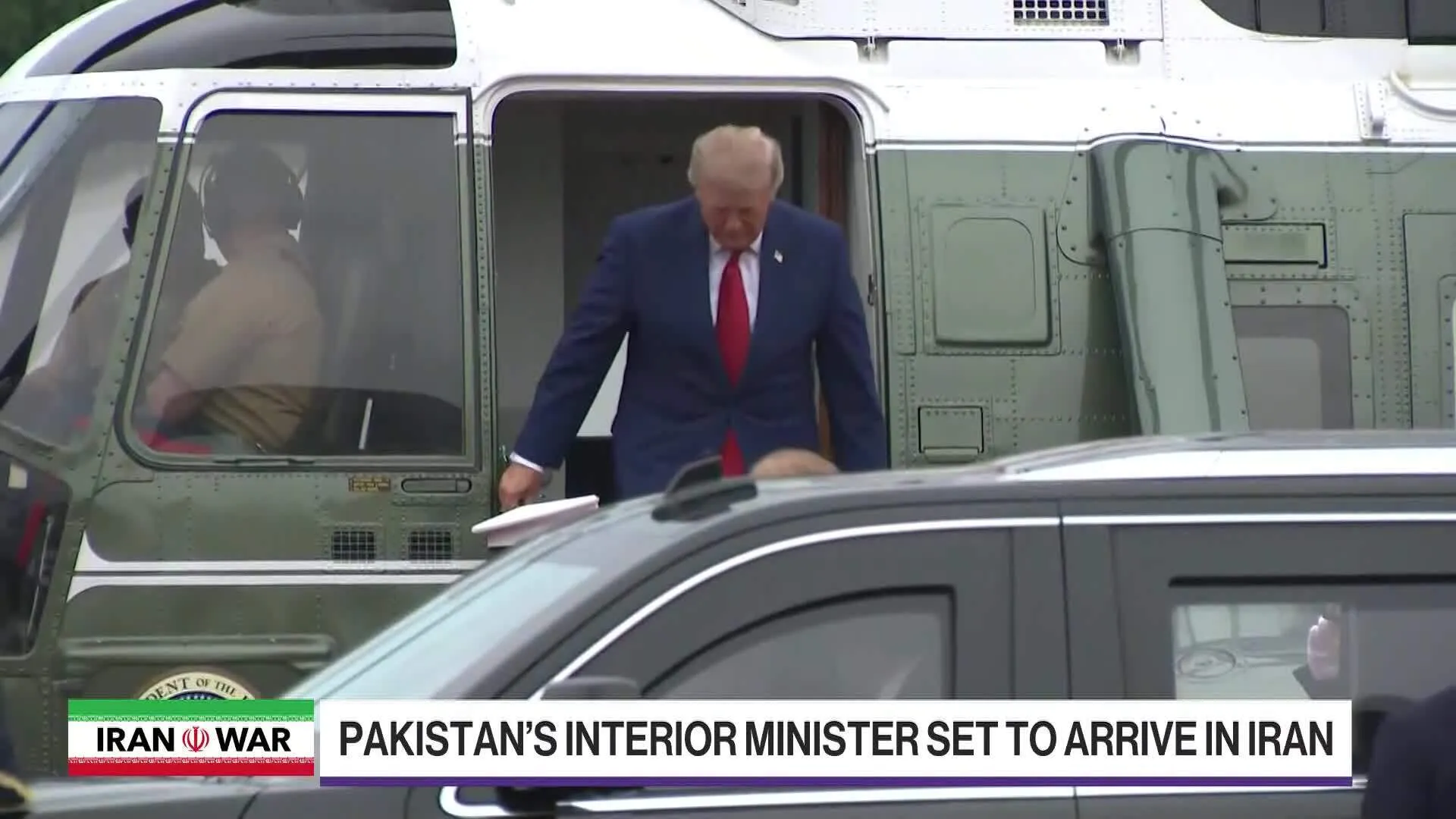
Pakistan’s defense minister has indicated that the United States and Iran are nearing a potential agreement regarding the Strait of Hormuz, suggesting that the situation is trending towards a peaceful resolution. This development comes at a time when tensions have historically run high in the region, particularly concerning the strategic waterway that is vital for global oil transportation. The remarks offer a glimmer of hope for enhanced diplomatic relations in a complex geopolitical landscape.
The Importance of the Strait of Hormuz
The Strait of Hormuz is one of the most crucial maritime passages in the world, linking the Persian Gulf with the Arabian Sea. Approximately 20% of the world’s oil supply transits through this narrow waterway, making it a focal point for international trade and energy stability. Disruptions in this region can have immediate and far-reaching implications for global markets and national economies. Therefore, any progress towards stability between key players like the US and Iran is of paramount importance.
Current US-Iran Relations
Relations between the United States and Iran have been strained for decades, particularly following the 1979 Iranian Revolution and various subsequent conflicts. However, recent diplomatic dialogues suggest a shift towards more constructive interactions. As both nations face immense internal and external pressures, the potential for a mutual understanding over critical issues, including maritime security, could pave the way for enduring peace. The defense minister’s comments imply that behind-the-scenes negotiations are gaining traction and could lead to a significant breakthrough.
Regional Implications of Improved Relations
If the US and Iran can successfully reach an arrangement regarding the Strait of Hormuz, the broader implications for the Middle East could be transformative. Improved diplomatic relations could lead to reduced naval military presence in the region, allowing for a more stable environment for trade and commerce. Furthermore, it may encourage other nations to engage in dialogue and cooperation, reducing the likelihood of conflict over other contentious issues that plague the region, such as nuclear proliferation and sectarian violence.
The Path Ahead
While the defense minister’s assertion that things are “shaping up in favor of peace” is encouraging, it is crucial to approach these developments with caution. Historical complexities and deep-rooted mistrust between the US and Iran could present significant hurdles on the path to resolution. Ongoing negotiations must address various concerns, from economic sanctions to military presence and support for proxy groups. Stakeholders across the globe will be closely monitoring these discussions, as their outcomes could set the tone for security and economic stability in the Middle East for years to come.
In summary, the potential for a US-Iran agreement regarding the Strait of Hormuz is a topic of vital interest not only for the nations involved but also for the global community at large. As the geopolitical landscape evolves, the possibility of a serene maritime environment in this strategic corridor could lead to broader peace initiatives in the Middle East. The world watches with anticipation as these developments unfold.