
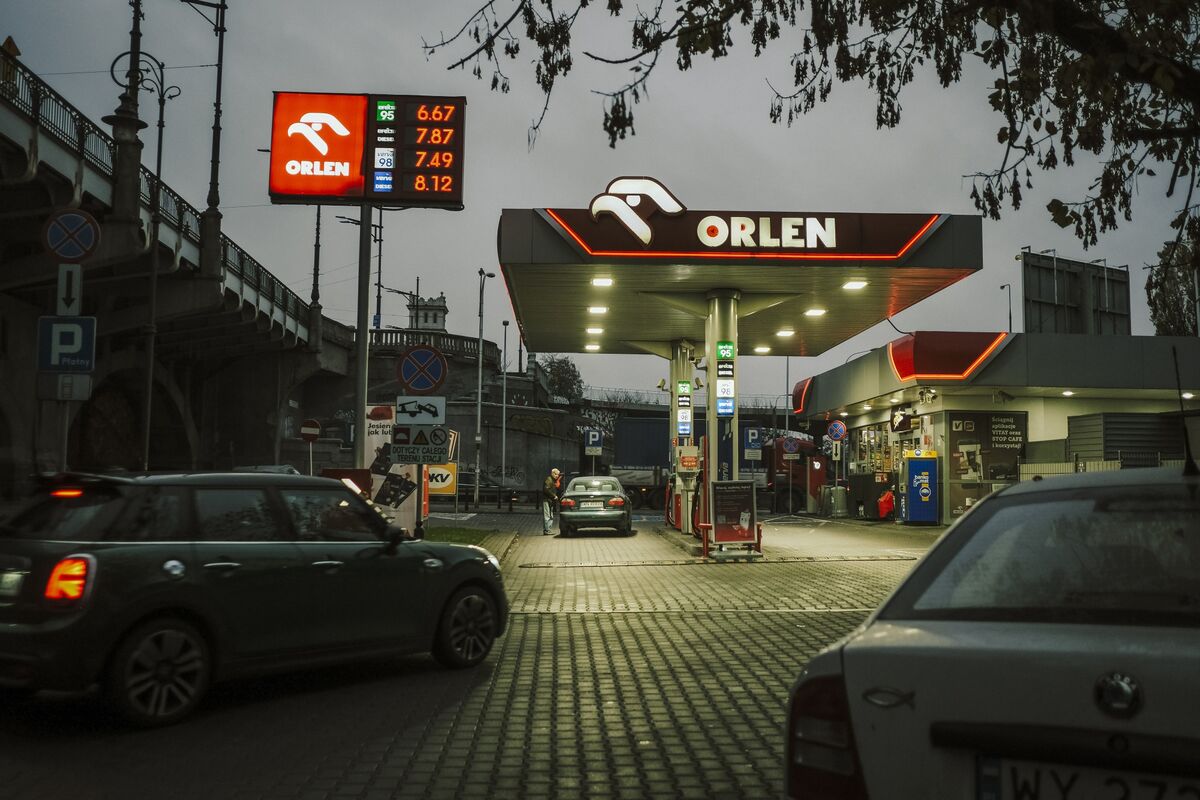
Poland is poised to reinstate standard tax rates on fuel, a decision linked to the evolving diplomatic negotiations between the United States and Iran, as announced by Prime Minister Donald Tusk during a recent press briefing. This development reflects the broader implications of geopolitical dynamics on national economic policies.
Impact of International Relations on Fuel Taxation
The announcement comes at a time when the global economy is experiencing fluctuations due to various international tensions. As peace talks between the US and Iran gain traction, Poland views this as an opportunity to shift its approach to fuel taxation. By reintroducing regular tax rates, the Polish government aims to stabilize its revenue streams, which have been affected by fluctuating fuel prices over recent months. The interplay between international diplomacy and local fiscal policies underscores the interconnected nature of today’s economic landscape.
The Importance of Revenue Stability
Reinstating regular tax rates on fuel will play a crucial role in ensuring revenue stability for Poland. With the rise and fall of oil prices influenced by geopolitical events, maintaining consistent tax rates allows for better budget planning and financial forecasting. The government’s strategic decision highlights a proactive approach to mitigating the potential economic impacts stemming from international negotiations. By proposing this shift, Poland aims to bolster its financial health while navigating the complexities of global partnerships.
Expectations for the Polish Economy
With the promise of restoring standard fuel taxes, there are expectations for positive outcomes in the Polish economy. Prime Minister Tusk’s announcement signals not only a shift in fiscal policy but also a commitment to strengthening the country’s economic framework. Analysts anticipate that this decision may lead to more predictable market conditions, ultimately benefiting consumers and businesses alike. By aligning its tax policies with international developments, Poland seeks to enhance its economic resilience amid an ever-changing global backdrop.
Conclusion: A Step Toward Economic Resilience
In conclusion, Poland’s decision to reinstate regular fuel tax rates reflects a strategic response to the ongoing peace talks between the US and Iran. This move aims to ensure revenue stability, fortify the economy, and prepare for potential changes in the international energy market. As global dynamics evolve, the Polish government is demonstrating its adaptability in managing fiscal policies while contributing to a more resilient economic future.