
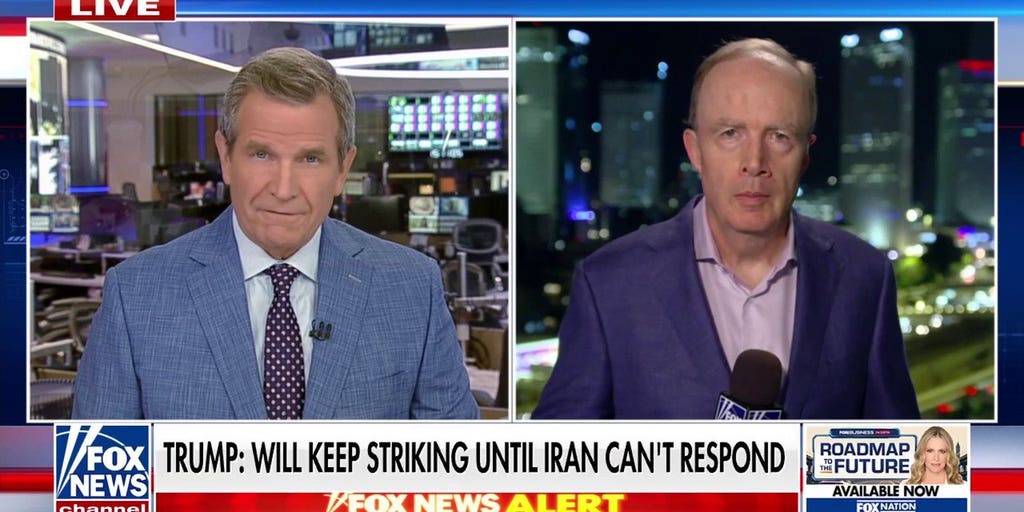
In a recent update, President Donald Trump issued a stern warning regarding potential significant military action against Iran. This announcement has captured the attention of political analysts and the international community, highlighting the escalating tensions in the region.
Understanding the Context of U.S.-Iran Relations
The relationship between the United States and Iran has historically been fraught with tension. From the Iranian Revolution in 1979 to various conflicts in the Middle East, this ongoing rivalry has shaped foreign policy decisions for decades. Trump’s current warning reflects ongoing concerns about Iran’s nuclear ambitions and its support for militant groups in the region, which many U.S. officials consider a direct threat to national security.
In recent years, the Trump administration adopted a hardline stance on Iran, withdrawing from the 2015 nuclear deal and reinstating stringent sanctions. This drastic measure aimed at curbing Iran’s nuclear program and influencing its regional activities has only further strained the relationship. As a result, military action remains a possible, albeit drastic, option on the table for U.S. policymakers.
The Implications of Military Action
Trump’s threat of major strikes against Iran raises concerns about potential repercussions. A military confrontation could have serious implications not only for U.S. interests in the Middle East but also for global stability. Experts warn that an armed conflict could lead to widespread instability, resulting in increased refugee flows and a surge in violence that could destabilize neighboring countries.
Moreover, any military engagement would likely draw in international partners and allies, complicating the situation further. Governments worldwide vary in their support for U.S. actions, with some even urging diplomacy as a means to address the threats posed by Iran. The challenges of garnering international support for military intervention underscore the delicate nature of international relations in this context.
The Role of Domestic Politics
While international considerations are critical, domestic politics also play a significant role in shaping foreign policy. Trump’s warning of military action against Iran can also be interpreted as a maneuver to rally his political base amidst increasing scrutiny and challenges at home. With ongoing domestic issues, including economic pressures and social unrest, foreign policy initiatives often serve to redirect public focus and assert the administration’s strength.
As elections approach, the implications of any military engagement will likely become a focal point of debate among presidential candidates. The effectiveness of military action and its impact on U.S. foreign policy will be scrutinized by voters, requiring candidates to articulate their stance clearly.
In this complicated landscape, it becomes evident that the intersection of foreign policy and domestic politics will continue to shape the dialogue around U.S.-Iran relations. As tensions escalate, the world watches closely to see how this situation unfolds and what actions the U.S. government decides to take regarding one of its most contentious adversaries.
In summary, President Trump’s warnings about military strikes on Iran signal a critical juncture in U.S. foreign policy. The potential for escalation continues to rise, creating a complex web of diplomatic, military, and domestic implications that could resonate for years to come. Navigating these turbulent waters will require careful consideration and strategic foresight.