
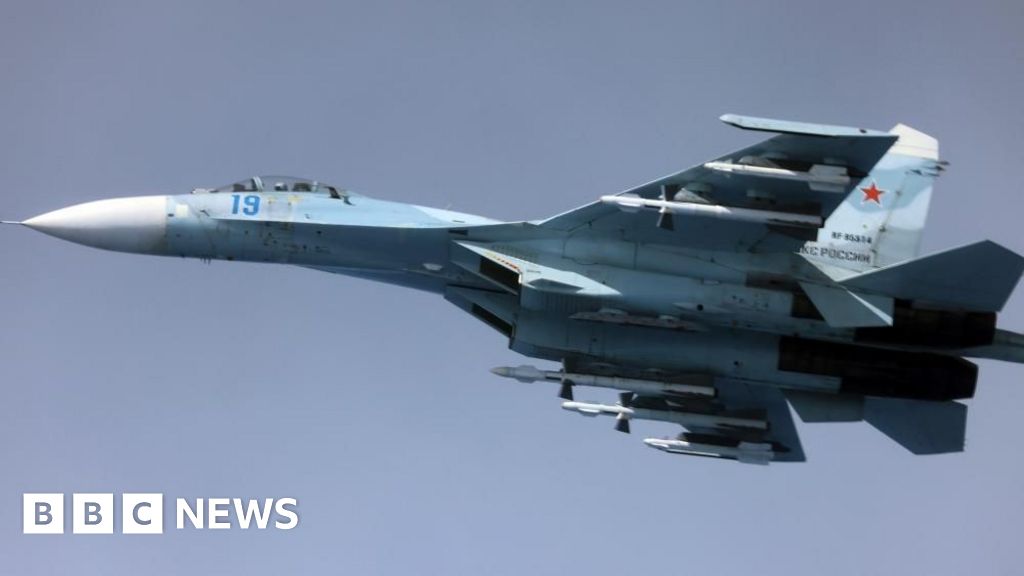
Introduction: Iran’s Fighter Jets Incident and Its Aftermath
The recent tensions surrounding two downed fighter jets by Qatar at the beginning of the US-Iran conflict have reignited discussions about Iran’s military capabilities and its geopolitical implications. The incident, framed within the broader context of regional rivalries, raises questions not only about military engagement but also about diplomatic relations in the Middle East.
The Downing of the Fighter Jets: Key Details
On the onset of the US-Iran war, two fighter jets were reportedly downed by Qatar, causing significant apprehension and leading to complex ramifications for the involved nations. Iran has since maintained that these jets were operating outside the parameters of their military engagement, thereby amplifying the narrative of their sovereignty violations.
This incident has fueled a narrative in Iran positioning itself as a victim of military aggression. By asserting that these jets were unlawfully operated, Iranian officials aim to garner domestic support while also drawing attention from the international community. The strategic implications of these downed jets cannot be understated, as they have implications on future military and diplomatic negotiations in the region.
Political Ramifications and Regional Stability
The implications of the downed fighter jets are far-reaching and largely influence the political landscape of the Middle East. Iran’s claims have added tension to an already fraught situation, potentially leading to increased scrutiny from other nations concerning their military operations in the Gulf region. Furthermore, this incident has the potential to shape alliances and affect ongoing diplomatic efforts aimed at easing regional instability.
Countries surrounding Iran have been forced to reassess their military strategies and alliances in light of recent escalations. The downing of the jets serves to underscore the precarious balance of power in a region that has historically been marked by conflict and rivalry. As nations recalibrate their positions, the future will certainly be shaped by these unfolding dynamics.
International Reactions to the Incident
The international community has been closely monitoring the ramifications of this incident. Various nations, particularly those with vested interests in the region, are recalibrating their diplomatic stances based on Iran’s responses and the broader implications of military confrontations. There is an ongoing discourse regarding the need for a multilateral approach to ensure peace and stability in the region, as unilateral actions can potentially exacerbate tensions.
Additionally, the global repercussions of such incidents could shift international relations, prompting countries to either challenge or support Iran depending on their geopolitical goals. Observers note that ongoing negotiations regarding Iran’s nuclear ambitions and military presence in the region could be heavily influenced by the fallout from this incident.
Looking Ahead: Future Implications for Iran and the Region
As the region navigates the complexities introduced by the downing of the fighter jets, the future remains uncertain. Iran’s military posturing could either result in heightened tensions or pave the way for dialogue, depending on how involved nations choose to react. The interplay of military actions and diplomatic initiatives will ultimately determine the trajectory of Middle Eastern relations in the months to come.
The situation demands careful observation as it unfolds, with potential impacts that could go beyond the immediate incident. The positioning of Iran as both a regional power and a source of contention makes this a crucial time for diplomatic engagement and strategic foresight in the quest for long-term stability in the area.