
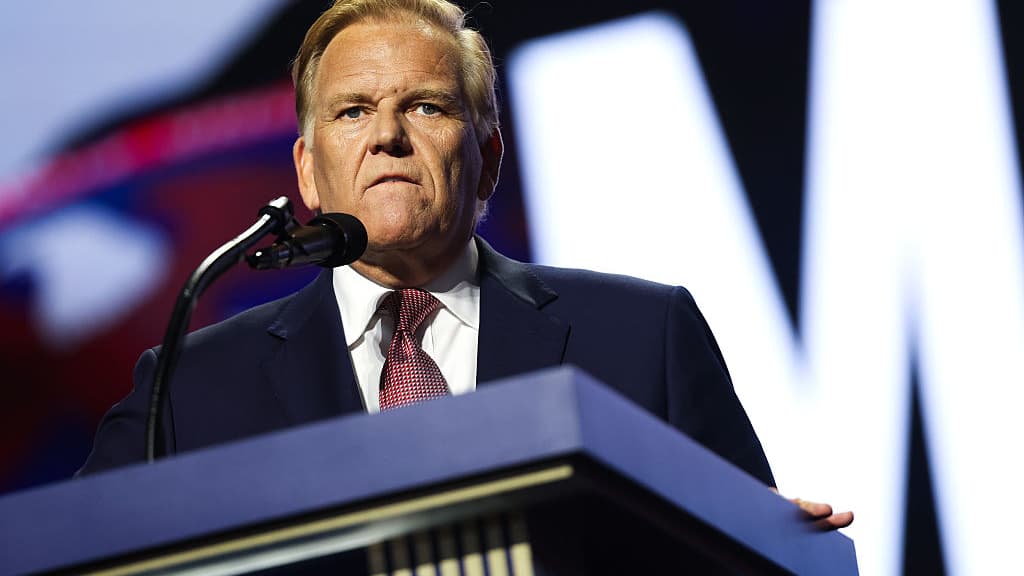
Michigan’s Republican gubernatorial candidate, Rep. John James, recently expressed his desire to quickly conclude ongoing military conflicts. He emphasized the essential nature of ending wars, stating that “war is terrible, and no one likes war.” This sentiment is echoed by several Republican representatives who are concerned about the direction of military actions abroad.
Republican Concerns on Military Strategy
In a related development, Representatives Zach Nunn and Mariannette Miller-Meeks from Iowa have raised alarms about the lack of a coherent plan to address escalating tensions, particularly with regard to Iran. Both lawmakers, who are navigating tight reelection contests, recently voted in favor of a resolution aimed at restricting former President Trump’s ability to authorize military actions in Iran without congressional oversight. This vote marks a notable shift in their approach to foreign policy, aligning with a growing desire among some Republicans to ensure military engagements are well-defined and not open-ended.
Need for Congressional Authorization
Zach Nunn, a combat veteran who has amassed over 700 hours of combat experience in the Middle East, has strongly advocated for the necessity of congressional authorization for any prolonged military operations. In a recent statement, he remarked, “With the negotiating window closed, sustained combat operations now require congressional authorization.” This highlights the growing frustration within the Republican Party regarding prolonged military engagements, which many believe should not proceed without legislative approval.
Limited Military Objectives
Miller-Meeks, who has a military background of over two decades in the U.S. Army, echoed Nunn’s perspectives, particularly regarding the impact of military conflicts on everyday Americans. In a post on X, she emphasized that the military mission must remain focused and limited. “I will not vote to keep our soldiers in an open-ended war, with Iowans paying too much at the pump,” she said, referencing the rising gas prices exacerbated by ongoing military engagements. Her remarks underscore a broader concern among voters about the economic implications of prolonged military actions, a situation that many politicians are keen to address.
Public Sentiment on War
The prevailing sentiment among these Republican representatives reflects a wider public concern about endless military engagements. Citizens are increasingly wary of wars that seem to have no clear conclusion, fearing the ramifications on both national security and the economy. As the political landscape continues evolving and approaching election cycles, these issues will likely shape dialogues within the GOP and beyond.
In conclusion, as more Republican lawmakers call for clarity and specificity regarding military actions, it becomes evident that the conversation about foreign policy is changing. The call for congressional oversight and limited engagements signifies a shift that could resonate with constituents who prioritize a pragmatic approach to national security and fiscal responsibility.