
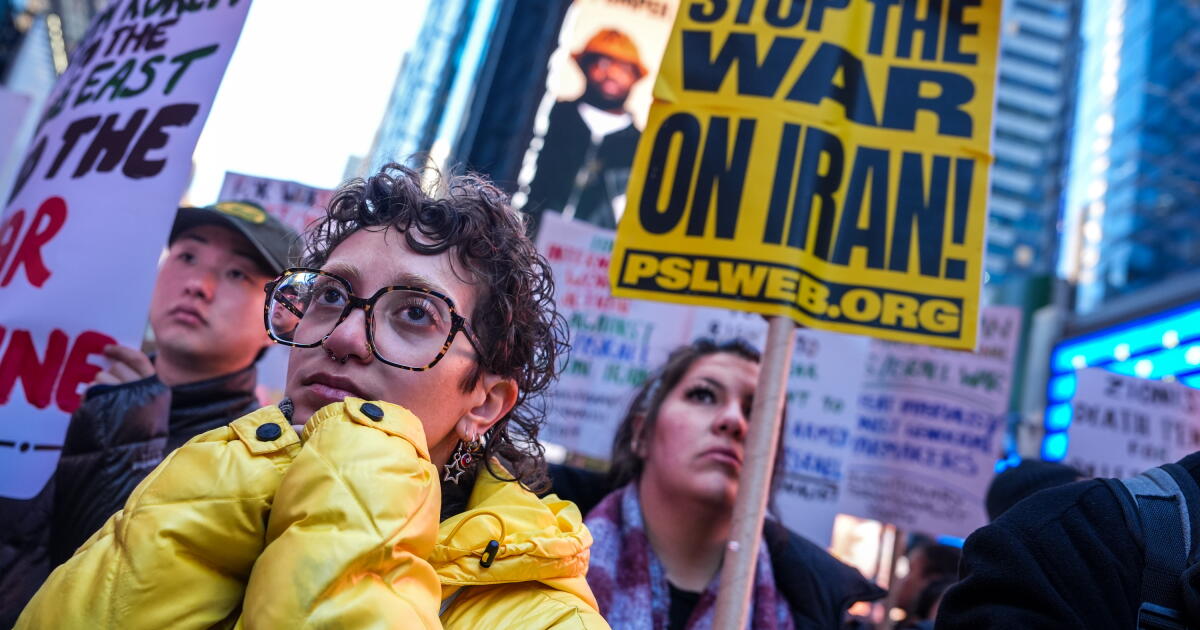
In the approaching midterm elections, a palpable shift is evident among voters grappling with the ongoing costs of the Iraq War. Many Americans, frustrated by rising living expenses and disillusioned with political leadership, are reassessing their voting intentions as the political landscape is reshaped.
Impact of Rising Prices on Voter Sentiment
The financial strain of the Iran conflict has become a pivotal issue for countless U.S. voters. Individuals like Mike Gibbons, a restaurant server from Bethlehem, Pennsylvania, express their discontent as they face nearly a dollar increase in gas prices compared to last year. Gibbons, who opted out of voting two years ago out of frustration, has made it clear that he will support any Democratic candidate this November. “The price of gas affects the price of everything, and my pay hasn’t gone up,” he remarks, indicating how crucial economic issues are becoming for voters.
As the war drags into its sixth month, it weighs heavily on the political dynamics of congressional races. Republican incumbents, such as Ryan Mackenzie from Bethlehem, are finding themselves vulnerable in congressional districts where economic grievances are at the forefront. The unpopularity of the conflict is evident, with many voters reluctant to support those in power, irrespective of party affiliation.
Public Opinion on the War
Recent surveys reveal that around two-thirds of Americans believe the war with Iran has not been worth the cost, with a significant proportion of both Democrats and independents echoing this sentiment. Even within the Republican base, more than one-third expresses discontent with the ongoing military engagement. This broad opposition complicates the narrative for Republican leaders who have historically supported aggressive policies. Trump’s claims of doing “the right thing” to prevent nuclear proliferation are losing traction as voters feel the direct effects of escalating gas prices in their daily lives.
Democrats, once blamed for high prices, see newfound opportunities to leverage public sentiment into political gains. Candidates like Sherrod Brown in Ohio are strategically using the war’s economic fallout to rally support around issues that directly affect Americans’ wallets. Similar messages are resonating with voters across the country, as seen in testimonials from citizens who cite the war as a primary contributor to their financial struggles.
Support for Republicans Remains Strong
Despite the evident dissatisfaction, some voters remain steadfast in their support for Republican candidates. Individuals like Lucienda Lowe from North Carolina maintain a strong belief in the rationale behind American military involvement. Even as economic hardships manifest, such loyalists are reluctant to shift their political allegiances, viewing the complexities of international conflict as beyond domestic political considerations.
Voters like Larry Cole in Iowa also express readiness to support the Republicans, viewing the additional costs as a natural consequence of national security efforts. Cole echoes a sentiment shared by many: an aversion to changes in leadership, particularly when it could signal a return to Democratic governance.
As the war continues and economic conditions evolve, the disconnect between the political elite and everyday citizens becomes increasingly apparent. Younger voters like Evan Mise articulate a sense of helplessness, feeling that neither party adequately addresses their needs. This discontent could play a crucial role in shaping the political landscape for upcoming elections.
In summary, as the midterm elections draw near, economic factors like rising gas prices and public dissatisfaction with the ongoing war are pivotal in influencing voter sentiment. The impact of these issues on both Democratic and Republican candidates could dramatically reshape the congressional landscape, as voters become increasingly aware of how their political choices affect their daily lives.