
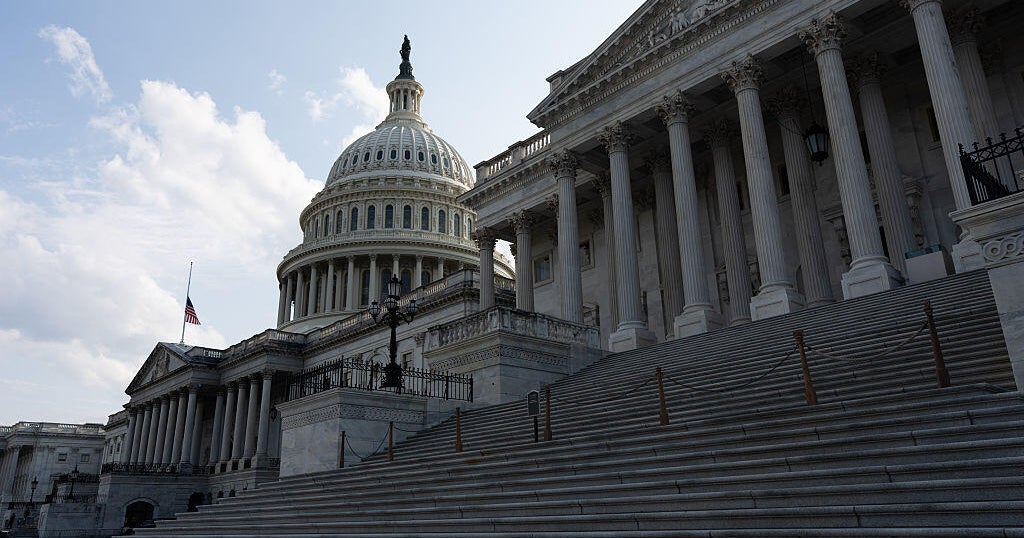
In a significant political move, the Senate recently rejected a measure aimed at limiting President Trump’s military powers concerning Iran. This decision followed a vote in the House that expressed a similar sentiment, highlighting the growing tension surrounding U.S. involvement in the region.
Senate Vote Outcome
The Senate’s vote concluded with a narrow margin of 47 to 49, as one Republican, Senator Susan Collins from Maine, sided with the Democrats in supporting the measure. On the other hand, Senator John Fetterman of Pennsylvania was the only Democrat to vote against it. Notably absent were Senators Lisa Murkowski and Rand Paul, who had previously backed similar legislative efforts regarding war powers.
The resolution, spearheaded by Senator Chris Van Hollen from Maryland, sought to mandate the removal of U.S. Armed Forces from any hostilities involving Iran unless explicitly sanctioned by a declaration of war or specific authorization for military force. This move exemplifies the ongoing struggle between Congress and the executive branch over war powers—a conflict that has intensified in light of recent escalations in military actions.
Recent Legislative Actions
Earlier on the same day, the House voted to adopt another war powers resolution introduced by Democratic Representative Pramila Jayapal from Washington. This measure passed with a close vote of 214 to 208, drawing bipartisan support, as four Republican representatives broke ranks to vote alongside their Democratic colleagues. These recent legislative maneuvers signal a growing urgency among lawmakers to address the implications of U.S. military engagement in Iran.
Historically, attempts to restrict President Trump’s military authority regarding Iran have garnered mixed results in the Senate. Previous efforts led by Senator Tim Kaine from Virginia gained temporary momentum but ultimately stalled as key Republicans withdrew their support after discussions with the administration. This political back-and-forth underscores the complexities surrounding legislative action on military engagements, particularly in a polarized political climate.
Democrats’ Persistence and the Bigger Picture
Since the conflict revived in February, Democrats have pushed for various votes to highlight the administration’s handling of military policy and apply pressure on their Republican counterparts. Thursday’s Senate vote marked a pivotal moment as it was the first time Congress addressed the situation after the ceasefire with Iran unraveled earlier in the month.
Senate Minority Leader Chuck Schumer urged Republican senators to align with Democrats to prioritize troop safety and confront the ongoing conflict. He challenged his Republican counterparts to reflect on the seriousness of the situation, indicating a lack of proactive measures from their side as they face growing public discontent over the war’s trajectory.
Under the War Powers Resolution of 1973, the president must notify Congress within 48 hours of deploying troops if there has been no formal declaration of war, with a maximum engagement of 60 days before congressional approval is necessary. However, the Trump administration has argued that certain timelines do not apply, which has led to rising tensions and military actions in the region.
Consequences and Continued Efforts
As military operations escalate—with recent airstrikes marking a dramatic extension of U.S. involvement—the calls for accountability from lawmakers persist. Senator Tim Sheehy of Montana passionately defended continued military action, framing it as a necessary response to a long-standing conflict initiated by Iran. His assertive remarks reflect the intensity of the debate surrounding U.S. military engagement and its implications for national security.
Senate Democrats, having faced setbacks in their efforts to limit Mr. Trump’s military authority, have vowed to maintain pressure on their Republican allies in future votes. Schumer emphasized the role Congress must play in matters of war, underscoring the responsibility to hold the administration accountable. The ongoing dialogues and legislative attempts highlight an essential struggle over the balance of power in U.S. foreign policy.