
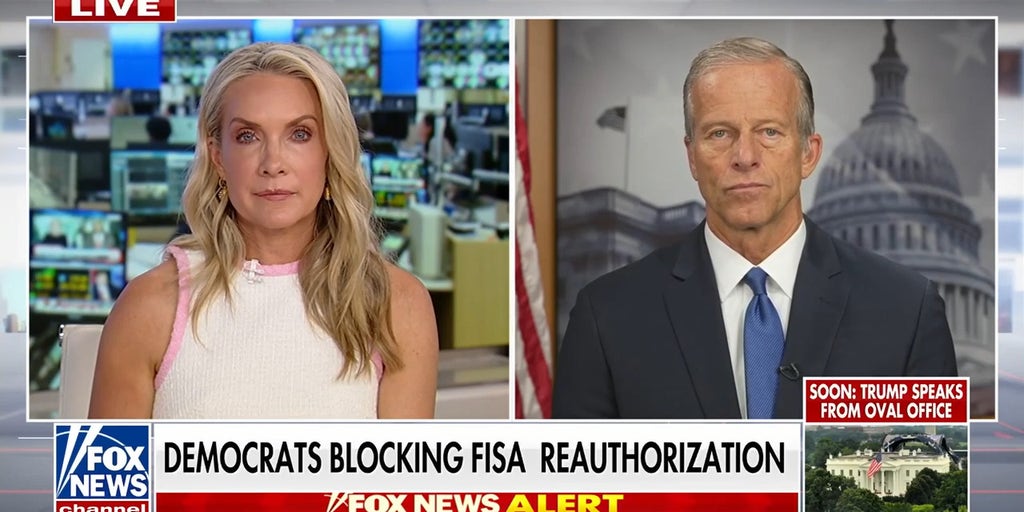
Senate Majority Leader John Thune of South Dakota has recently voiced concerns over escalating tensions between the U.S. and Iran, the urgency of reauthorizing the FISA program, and the Democratic Party’s shift toward a more progressive agenda as midterm elections loom. His comments reflect a broader dialogue regarding national security and the implications of political decisions in an increasingly polarized environment.
U.S. Military Actions Against Iran
Thune’s remarks came on the heels of U.S. military actions following the downing of an Apache helicopter in Iran. He underscored the necessity of “finishing the job” to thwart Iran’s development of nuclear capabilities. The senator emphasized that consistent, decisive actions are crucial in safeguarding national interests and maintaining global stability. He believes that failure to act decisively could embolden Iran, making it imperative for Congress to support the administration’s military efforts.
The Importance of FISA Reauthorization
In addition to military concerns, Thune criticized Senate Democrats for obstructing the reauthorization of the Foreign Intelligence Surveillance Act (FISA). He described their opposition as an “irresponsible position” that jeopardizes national security. According to Thune, FISA is essential for modern intelligence operations, and its expiration could leave the U.S. vulnerable to threats. He urged bipartisan cooperation to ensure that the program remains intact to protect citizens and secure critical information.
The Shift in the Democratic Party
As the midterm elections approach, Thune also pointed out the Democratic Party’s notable shift toward the far-left. He believes this ideological shift reflects a broader strategy that continues to alienate moderate voters. The emergence of progressive candidates represents a departure from traditional Democratic ideals, which could have serious repercussions for the party’s electoral success. Thune cautioned that this leftward movement may not resonate well with the general electorate, potentially impacting voter turnout and party unity.
Conclusion
In summary, Thune’s insights into U.S.-Iran relations, the necessity of FISA, and the evolving Democratic landscape paint a comprehensive picture of the current political climate. As tensions rise and midterm elections approach, the decisions made by lawmakers could have lasting ramifications for national security and political cohesion in the United States. The dialogue surrounding these issues is more critical than ever, compelling voters and officials alike to consider the broader implications of their choices.