
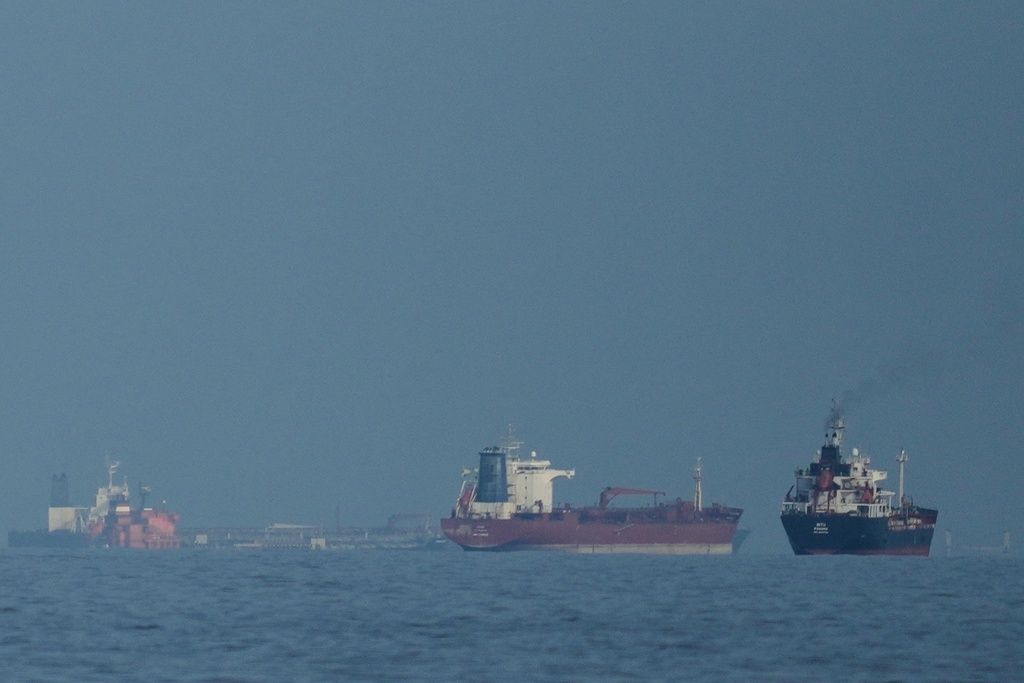
Last week marked a significant increase in maritime activity in the Strait of Hormuz, a vital channel for global oil transport. According to the UK Maritime Trade Operations Center, nearly 200 vessels traversed this strategic waterway, a notable rise from just 150 the previous week and a sharp increase from a mere 40 two weeks prior. This uptick represents roughly 20% of the usual traffic before the onset of hostilities in the region and underscores the strait’s importance, as it typically facilitates around 20% of the world’s oil shipments during peaceful times.
Changing Shipping Patterns and Routes
Recent maritime intelligence from Kpler reveals that over 80% of liquid cargoes moving through the strait in recent weeks have opted for alternative routes. Many vessels have taken the Omani corridor, a U.S.-supported passage approved by the UN International Maritime Organization but rejected by Iran. Others have chosen to operate in secrecy, possibly utilizing the same bypass unnoticed. This shift in navigation reflects the heightened risks and uncertainties in the Gulf, contributing to altered shipping strategies.
Within the past week alone, 103 ships entered the strait while 89 exited, marking a significant 27% increase compared to the previous week. This escalation in maritime traffic contrasts sharply with just 18 vessels entering and 21 exiting two weeks ago. Experts like Homayoun Falakshahi from Kpler suggest that Iran may be losing its grip on control of the strait, an area crucial for maritime security and international trade.
The Impact of Maritime Conflicts
The majority of the ships traversing the strait were registered under flags from Panama and Liberia, predominantly oil tankers, with a notable number also carrying dry cargo. Unfortunately, incidents of hostility have marred these shipping activities, as five vessels were reportedly attacked by Iranian projectiles in the last week, resulting in injuries and fatalities. Although no ships were lost, the attacks have raised serious concerns about the safety of maritime operations in this vital passage.
Since May, the United States has been discreetly assisting oil tankers across the Strait of Hormuz, employing shadow fleet tactics such as disabling radars and navigating close to Oman’s coastline to avoid detection. This tactical support highlights the ongoing geopolitical tensions and the complexities of ensuring safe passage through the strait amid escalating hostilities.
Negotiations and Political Ramifications
Recently, the window for negotiations aimed at ending the conflict has expired, with discussions over control of the strait remaining stagnant. President Trump remarked that the Strait of Hormuz has been completely de-mined and is now operational, promoting this development through his social media platform. He also announced the intention to impose what he described as “the most crushing economic operation ever undertaken” against Iran via new sanctions.
In a pointed response to U.S. pressures, Iran’s Supreme National Security Council Secretary Mohsen Rezaei has issued warnings about possible retaliation if Trump follows through with aggressive actions. He emphasized that any countries that side with the U.S. in exerting economic pressure against Iran would be viewed as adversaries. This back-and-forth signals a precarious situation, as maritime and geopolitical tensions continue to shape the dynamics in the region.
In conclusion, as maritime traffic in the Strait of Hormuz surges amidst rising tensions, the implications for global oil transport and regional stability remain critical. Stakeholders must navigate the complex landscape of international diplomacy and security as they address the evolving challenges posed by conflicts in the area.