
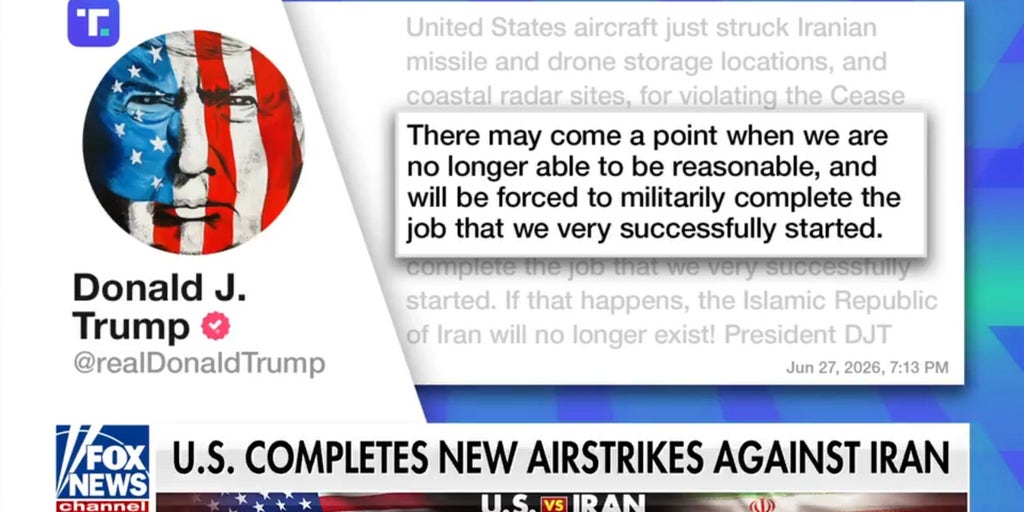
In recent discussions, radio host Sid Rosenberg has delved into the rising tensions in the Middle East, particularly focusing on the ongoing U.S.-Iran conflict. The situation has intensified with U.S. airstrikes targeting Iranian positions, which were prompted by Iran’s retaliatory attacks on regional allies. Rosenberg’s insights shed light on the complexities of this geopolitical crisis and its implications for international security.
Escalating Military Conflict
Rosenberg emphasizes the critical nature of military responses in the face of Iranian aggression. He points to the U.S. airstrikes on Iranian missile sites as a necessary action to deter further attacks, underscoring that Iran is unlikely to respond favorably to diplomatic overtures. The radio host argues that a robust military strategy is essential for any hope of achieving long-term stability in the region. With Iran’s recent drone strikes targeting countries like Bahrain and Kuwait, the urgency for decisive military engagement has risen dramatically.
The Limits of Diplomacy
During his discussions, Rosenberg clearly articulates his belief that diplomatic efforts with Iran have reached a stalemate. He states that the Iranian regime has consistently demonstrated a lack of willingness to adhere to agreements or ceasefire conditions. His remarks highlight the challenge of negotiating with a nation that sees military aggression as a pathway to strengthen its influence in the region. The radio host contends that without strong military action, the prospect of a peaceful resolution remains bleak.
Trump’s Hardline Approach
Rosenberg also references President Donald Trump’s unyielding stance against Iran, summarizing his assertion that any violations of ceasefire agreements would lead to severe consequences for the Iranian regime. This firm position aligns with Rosenberg’s view that only through a show of strength can the U.S. effectively deter Iranian belligerence. The implications of such a hardline approach are significant, as they may redefine diplomatic interactions not only with Iran but with its allies and adversaries throughout the Middle East.
Future Implications
The conversations led by Rosenberg serve as a warning regarding the potential for further escalation in Middle Eastern tensions. With ongoing military activities and a steadfast commitment to confront Iranian provocations, the international community watches closely. His insights suggest that any miscalculation could lead to a larger conflict, drawing in multiple nations. The situation underscores the necessity for a strategic response that prioritizes both security and the potential for future negotiations, as well as the impact of domestic and international political dynamics on the outcomes of these conflicts.
Rosenberg’s commentary invites listeners to consider the precarious balance between military action and diplomacy in resolving the U.S.-Iran tensions. His perspective reflects a growing consensus that the path forward requires a reassessment of existing strategies and perhaps a reevaluation of how regional alliances and conflicts are managed.