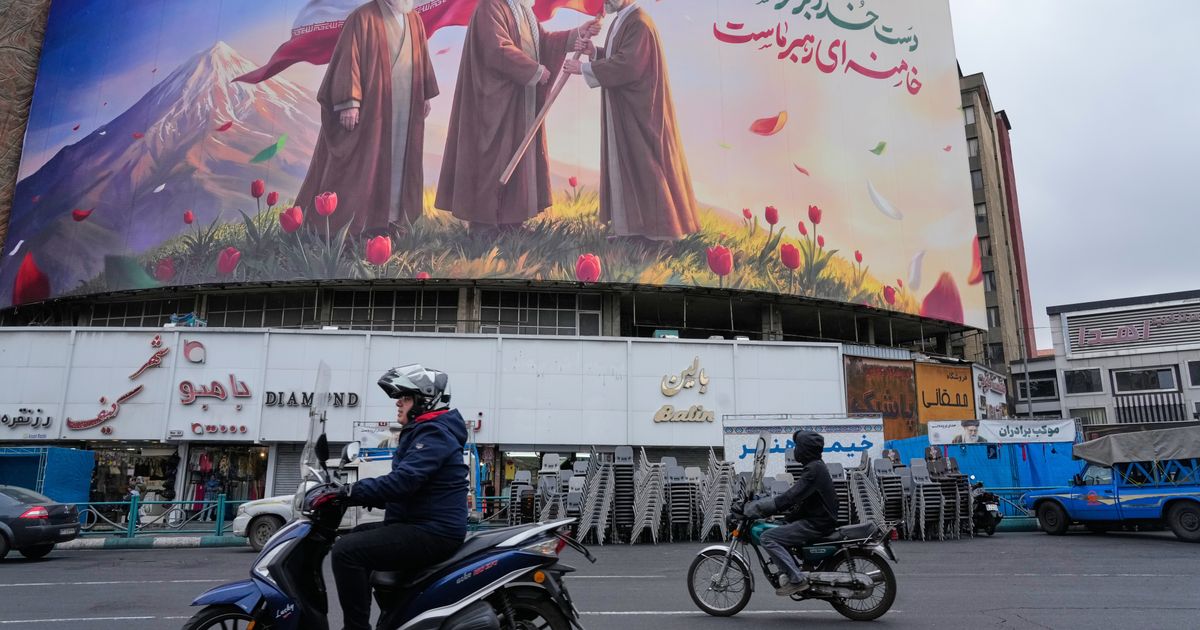
After six months of intensified conflict, Iran’s leadership has solidified around a group of hardliners—a coalition of military officers and clerics deeply rooted in the nation’s ruling system. Their resolve signals a readiness for extended hostilities with the United States while seeking to quell any potential dissent within Iran.
Iran’s Leadership Shift and Stance Against the U.S.
The present leadership of Iran starkly contrasts with former U.S. President Donald Trump’s expectations of a regime change that would pave the way for more moderate officials. Since coming under attack during peace negotiations, Iranian leaders exhibit skepticism about making agreements with the Trump administration. Increasing threats from U.S. sanctions and military pressures have cultivated an environment where the possibility of renewed aggression looms large. “Should Trump take action, we will respond dramatically,” warned Mohsen Rezaei, secretary of Iran’s Supreme National Security Council, indicating that any continuation of economic warfare could stop oil exports entirely from the Persian Gulf.
Firm Control to Suppress Internal Unrest
Rezaei’s recent appointment reflects a strategic pivot by Supreme Leader Ayatollah Mojtaba Khamenei to maintain a firm grip on power during these tumultuous times. After a devastating airstrike campaign targeting key figures in Iran, including the late Ayatollah Ali Khamenei, the younger Khamenei has been notably absent from public view, fueling speculation about his safety and well-being. The leadership’s response to discontent stemming from economic challenges is unprecedented. The recent appointment of hard-line cleric Hossein Taeb as head of the Basij—a volunteer militia instrumental in quelling protests—illustrates an intent to preempt any potential rebel sentiment.
A Coalition of Hardlinen Allies in Power
With several recent appointments, Khamenei has encircled himself with staunch allies from the military establishment. This strategy, characterized by securing a tight-knit group of seasoned commanders, seems aimed at achieving internal cohesion amidst the backdrop of ongoing strife. Analysts suggest these relations foster a sense of continuity within Iran’s military leadership, with figures such as Rezaei having substantial experience in dealing with both internal dissent and external threats.
Brig. Gen. Ahmad Vahidi, confirmed as the head of the Revolutionary Guard, and other seasoned military tacticians reinforce a sentiment of unity, as the regime seeks a coordinated approach to facing both external pressures and the potential for unrest among the populace.
Calls for Negotiation Amid Economic Hardship
Despite the prevailing atmosphere of hostility, some Iranian officials still advocate for a negotiated resolution to the conflict. President Masoud Pezeshkian emphasizes the risk of escalating the situation further, particularly as the economy continues to experience severe strain. His plea for reconsideration remains at odds with hardliners who promote an unyielding stance against the U.S.
However, divergence exists even within the hardline factions; some have indicated a potential for negotiating if the U.S. changes its approach. Political commentators note a growing rift within Iran’s governing bodies, where extremists are hesitant to normalize relations, fearing that conflating power with diplomatic engagement could undermine their authority.
The Basij’s Expanding Role and Societal Control
With a focus on preempting unrest before it can develop, the leadership’s decision to promote Taeb within the Basij suggests a proactive strategy for societal control. Historical involvement in violent crackdowns has made the Basij an essential instrument of regime stability amid popular discontent. Their extended mandate is expected to engage more deeply within Iranian communities, utilizing modern technologies to fortify the government’s ideological stronghold.
In a climate where basic necessities are challenging to afford, the regime remains vigilant. Taeb’s leadership may bolster hardline rallies while amplifying the Basij’s presence in social and cultural landscapes. His comments reflect a potential shift toward overseeing civil society, aiming to consolidate loyalty and prevent fragmentation in the face of increasing U.S. pressure.