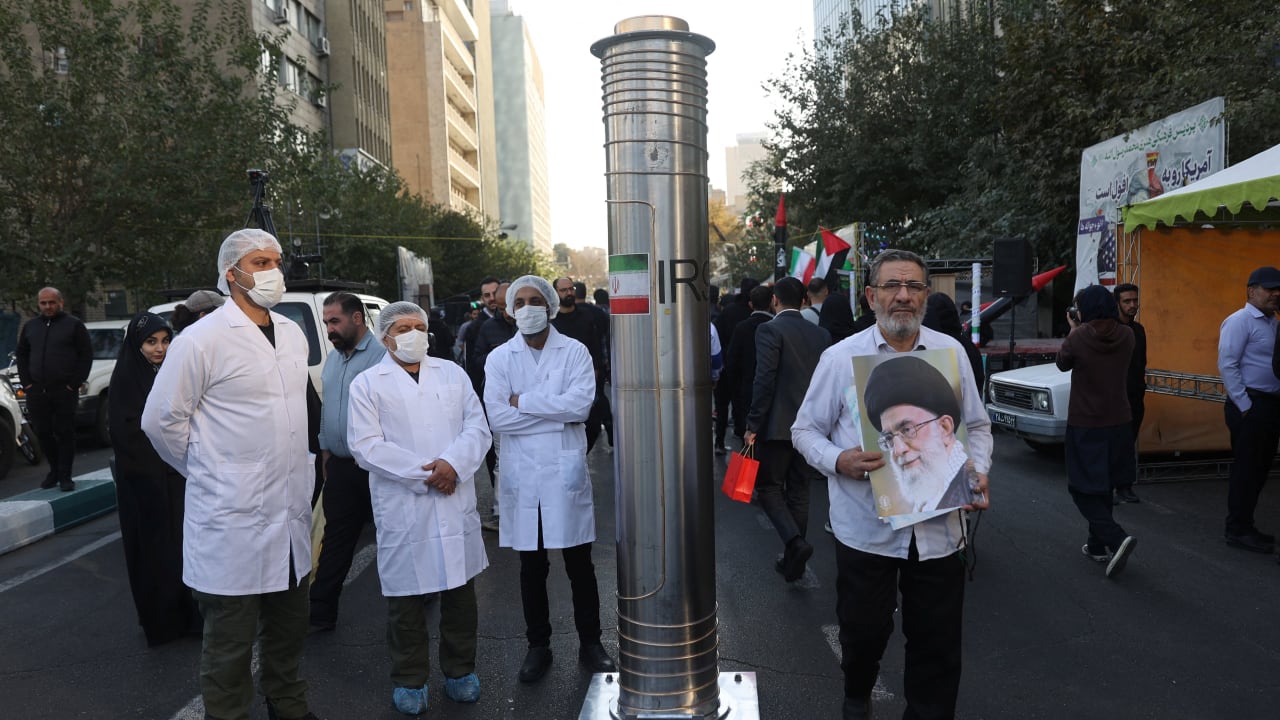
In recent years, the Israeli military has made significant strides in countering Iran’s nuclear ambitions, particularly through coordinated airstrikes that began in mid-2025. However, analysts express ongoing concerns regarding Iran’s capability to revive its nuclear pursuits, despite these successes. Although immediate threats are diminished, the long-term implications remain complex and worrisome.
Achievements Against Iran’s Nuclear Program
Israel’s military actions have notably hampered Iran’s nuclear development. Reports indicate that essential facilities have been rendered inoperable, significantly contributing to the disruption of their enrichment activities. Notably, from June 2025 to early 2026, Israel’s strikes led to the crippling of a substantial portion of Iran’s centrifuges, preventing their capacity to enrich uranium effectively. Currently, no centrifuges are reported to enrich uranium above 20% or 60%, which is a critical threshold for nuclear weaponization.
These achievements are significant when compared to prior periods between 2003-2007 and 2015-2018, when Iran’s nuclear program, though paused, continued in secrecy. The recent military actions have set back Iran’s program more effectively than those earlier pauses contributed to its development. Nevertheless, experts suggest that while the program suffers from delays in the short term, it could still pose risks if Iran manages to rebuild its infrastructure.
Remaining Risks and Cautions
Despite these setbacks, the overarching threat from Iran’s nuclear program remains a concern. Each string of Israeli successes corresponds with a new gap in monitoring and vigilance. Intelligence sources indicate that even a limited number of advanced IR-6 centrifuges might be salvaged, posing a risk of covert uranium weaponization. This suggests that while immediate capabilities are reduced, the possibility of a future resurgence remains plausible.
Moreover, some analysts warn of potential clandestine strategies from Tehran to recover or repurpose enriched uranium. For instance, various reports highlight that Iran could be preparing to dig and extract enriched uranium from underground structures, aiming to avoid detection by U.S. surveillance systems. This maneuvering indicates that Iran may not remain passive while its facilities are disrupted.
The Role of International Oversight
Compounding these concerns is the International Atomic Energy Agency’s (IAEA) challenges in maintaining oversight of Iran’s nuclear progress. As of June 2025, the IAEA has reportedly lacked access to crucial sites and information regarding Iran’s declared nuclear material. Rafael Grossi, the IAEA Director-General, mentioned that the agency could not fulfill its safeguard responsibilities, thereby increasing the uncertainty surrounding Iran’s nuclear trajectory.
While Israeli intelligence remains vigilant, the ingenuity of Iranian officials in circumventing oversight cannot be underestimated. As the regional tensions evolve, the focus may shift from mere uranium enrichment to controlling the development of nuclear weapon capabilities. This shift underscores the necessity for ongoing effort and strategy to monitor and combat potential threats effectively.
In conclusion, while Israel’s recent military actions against Iran have led to considerable setbacks in its nuclear program, concerns about the potential re-emergence of a nuclear threat remain. Vigilance in intelligence and international oversight is crucial as Iran possibly explores ways to recover and enhance its nuclear capabilities discreetly. The geopolitical landscape surrounding Iran’s nuclear ambitions continues to demand close attention and proactive measures to ensure regional stability.