
In the second quarter, South Africa experienced a decline in business sentiment, influenced significantly by ongoing global events. As consumers grapple with the escalating repercussions of conflicts, such as the war in Iran, the outlook for inflation and interest rates becomes increasingly uncertain.
Impact of the Iran War on Business Confidence
The conflict in Iran has had ripple effects that extend far beyond its borders, including increased tensions in global markets. South African businesses are feeling the heat as the war creates instability in oil prices and other vital commodities. This fluctuation significantly impacts operational costs and consumer pricing, leading to a decrease in business confidence. Specifically, companies are becoming more cautious about investment and expansion, worried that future economic conditions may worsen.
Challenges Faced by South African Consumers
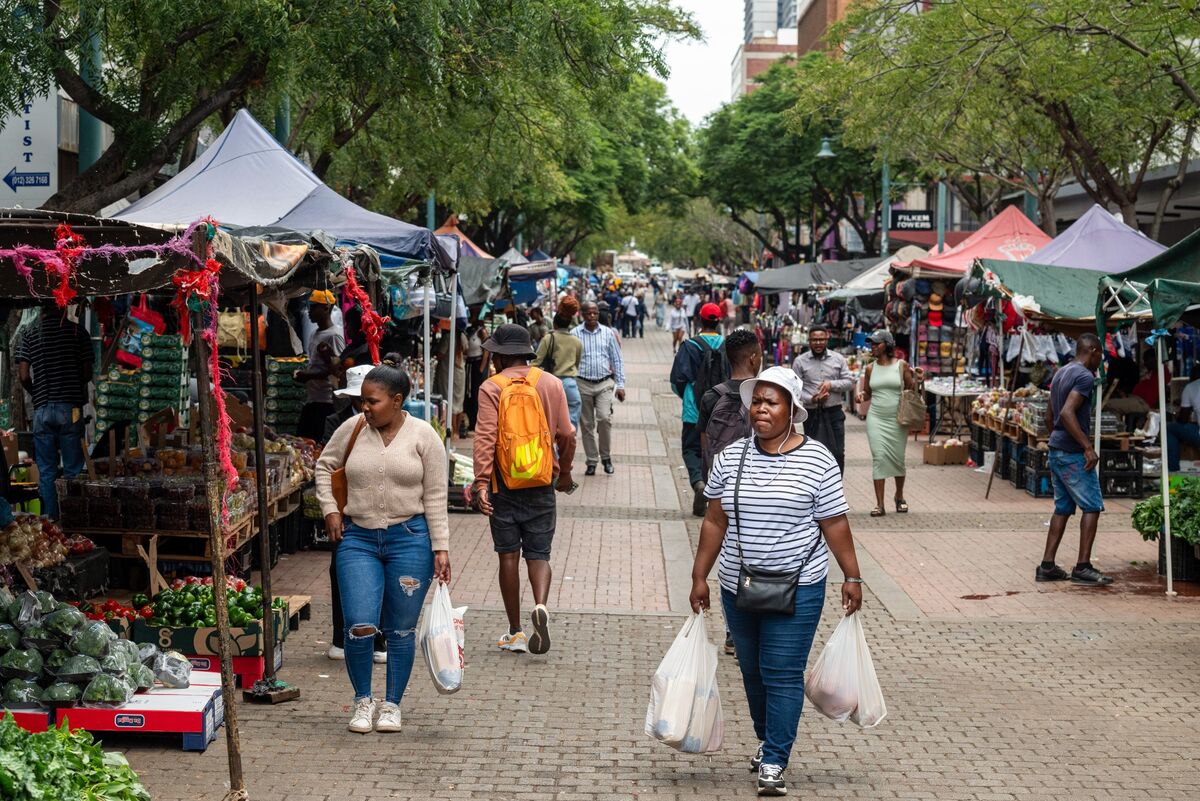
As the situation escalates, South African consumers are confronted with heightened financial pressures. Rising inflation rates, driven by those fluctuations in commodity prices, make it increasingly difficult for families to manage their everyday expenses. This strain on the average consumer reduces disposable income, leading to decreased spending which further impacts local businesses. Consequently, a cycle of reduced consumer spending and diminished business confidence emerges, challenging the country’s economic health.
The Prospects for Inflation and Interest Rates
The uncertainty stemming from the Iran conflict directly affects the South African Reserve Bank’s approach to managing monetary policy. As inflation concerns mount, the likelihood of increased interest rates becomes a more pressing issue. Higher interest rates can discourage lending and make borrowing more expensive for both businesses and consumers. This scenario can potentially stifle economic growth, as consumers are less likely to take on debt for big purchases, and businesses may pause expansion plans due to higher borrowing costs.
Looking Ahead: Navigating Future Challenges
As South Africa navigates these turbulent waters, it is imperative for both policymakers and business leaders to closely monitor international developments and their potential impact on the local economy. Proactive measures—such as encouraging consumer confidence and implementing stabilizing strategies—could help mitigate some of the adverse effects felt at the consumer level. Education around financial management can also play a crucial role in helping South Africans cope with these economic pressures. Understanding market trends and preparing for fluctuations may provide a buffer against future uncertainty, allowing the economy to adapt and recover.
In conclusion, the decline in business sentiment in South Africa during the second quarter reflects a larger concern rooted in global conflicts and economic pressures. As the consumer landscape shifts under the weight of rising costs and uncertainty, both businesses and policymakers need to work collaboratively to foster resilience and stability amidst these challenges.