
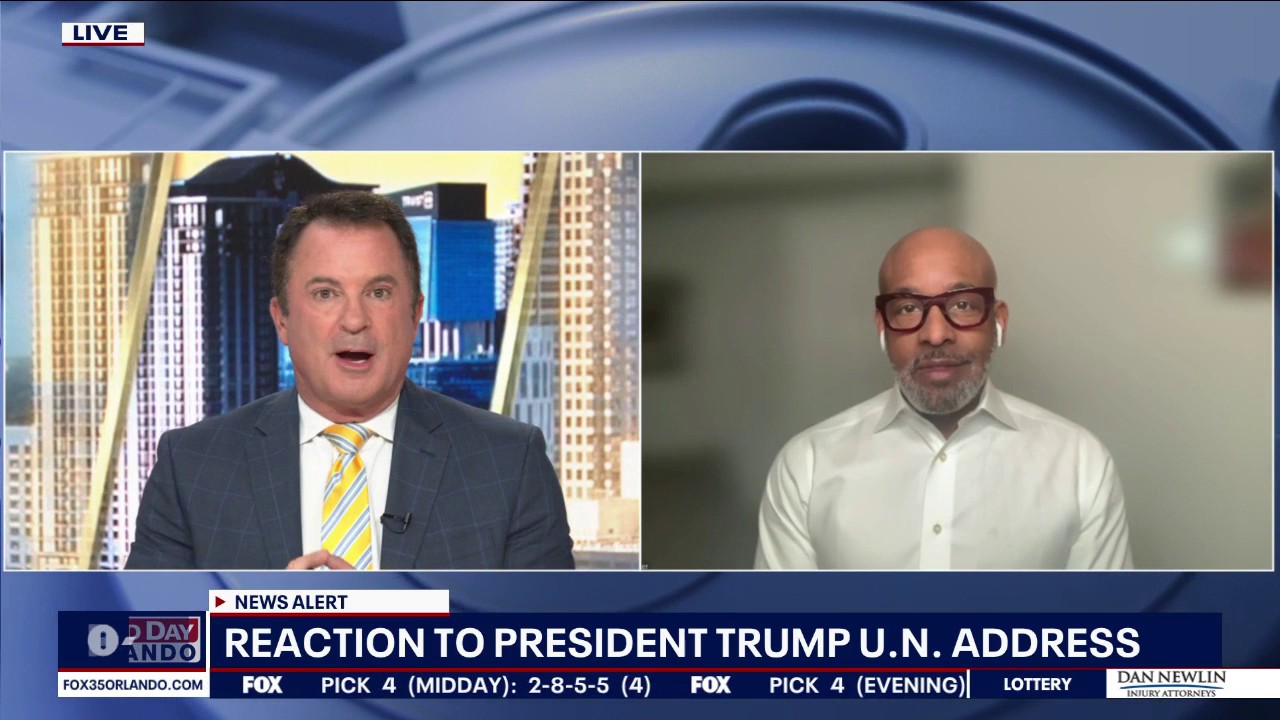
In a recent address at the United Nations, President Trump delivered a stern warning to Iran, positioning the situation as one that necessitates a choice between diplomatic engagement and complete ‘destruction.’ However, this dramatic rhetoric was followed by clandestine discussions between U.S. and Iranian delegates shortly thereafter. This raises questions about the implications of such statements on ongoing conflicts. To delve deeper into this matter, we consulted political analyst Dr. Larry Walker for his insights on how the President’s remarks may influence the current state of war.
The Stark Choice Presented by the President
During his UN speech, President Trump’s emphasis on ‘annihilation’ starkly contrasted with the typically diplomatic tone expected in such high-stakes international forums. By framing the conflict in terms of either peace or total destruction, he escalated tensions and presented a black-and-white scenario that may not reflect the complex realities on the ground. This kind of messaging may resonate with certain political bases that prioritize strong, unequivocal stances. However, it may also alienate some allies who are more inclined toward diplomatic solutions.
Post-Address Diplomatic Maneuvering
What’s intriguing is that mere hours after Trump’s fiery speech, U.S. officials engaged in private talks with their Iranian counterparts. This contradiction between public posturing and private negotiations highlights the multifaceted nature of international politics. Despite the bluster, both nations seem to recognize the need for dialogue, suggesting that while rhetoric may be aggressive, the underlying goal could still be de-escalation. Candid discussions indicate a willingness to seek middle ground, even when public imagery suggests otherwise.
Potential Impact on Ongoing Conflicts
Dr. Larry Walker notes that President Trump’s comments serve multiple purposes. On one hand, they consolidate a hardline stance that may rally domestic support. On the other hand, they could complicate international relations. Countries observing the U.S.-Iran dynamic might question the reliability and consistency of U.S. foreign policy, especially if they are contemplating their own negotiations or alliances. The dual approach of fiery rhetoric combined with behind-the-scenes dialogues could lead to confusion among both allies and adversaries, complicating the geopolitical landscape.
Looking Ahead: Future Implications for Iran and U.S. Relations
As the situation continues to unfold, the balance between aggressive rhetoric and diplomatic efforts will be crucial. For Iran, the pressure may lead to a recalibration of its strategies, as officials weigh their own responses to U.S. threats. Meanwhile, the U.S. must navigate the delicate line of maintaining a strong deterrent posture while not closing off avenues for constructive dialogue. Overall, the trajectory of U.S.-Iran relations will largely depend on how both sides interpret and respond to each other’s signals in the coming weeks and months.
By examining the delicate dance of diplomacy and rhetoric, it becomes clear that international relations often hinge on nuanced communications rather than outright declarations. The real question remains whether this latest episode will lead to a constructive path forward or deepen the existing divides between the United States and Iran. The coming days will provide critical insights into the effectiveness of both countries’ strategies as they grapple with the multilayered realities of their relationship.