
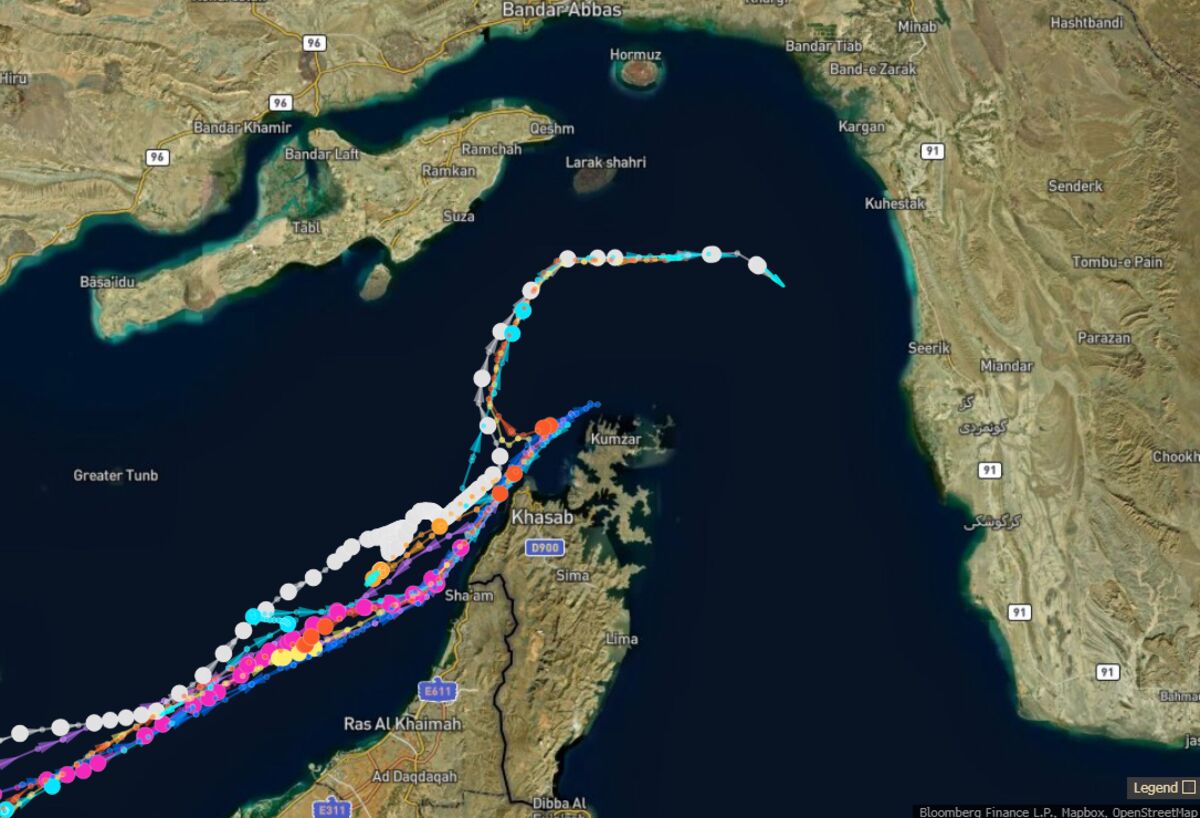
In recent developments, the ongoing tensions in the Persian Gulf have caused significant disruptions to maritime traffic. Multiple vessels attempted to navigate through this crucial area but had to abandon their journeys, highlighting the complexities surrounding the reopening of the Strait of Hormuz amid Iran’s assertive actions in the region.
Maritime Disruptions in the Persian Gulf
Between Friday and Saturday, at least eight ships attempted to depart from the Persian Gulf along the coast of Oman but ultimately turned back. This incident illustrates the ongoing challenges faced by maritime operations in a region that is pivotal for global trade. The Strait of Hormuz, a vital artery for oil transportation, is increasingly becoming a focal point of geopolitical tensions, particularly with Iran’s determination to exercise control over this strategic waterway.
Iran’s Influence on Shipping Routes
The vessels that turned back were taking precautionary measures in response to escalating tensions. Some ships opted for alternative routes, moving closer to Iranian shores to avoid the risks associated with navigating through the Strait. This shift not only impacts shipping schedules but also poses questions about the future navigational routes for international shipping through one of the world’s most critical maritime passages. With uncertainty surrounding Iran’s military stance and its potential implications for international shipping, several companies may reconsider their navigational strategies to mitigate risks.
Geopolitical Implications
The recent maritime incidents underscore the rising significance of diplomatic negotiations in the region. As Iran seeks to solidify its influence over the Strait of Hormuz, stakeholders must remain vigilant. Many countries, relying heavily on oil imported through this passage, are closely monitoring the situation. The potential for disruption could have far-reaching consequences, affecting not only regional stability but also global markets heavily dependent on oil imports. The strait carries about 20% of the world’s oil supply, making its security paramount to international interests.
Looking Ahead: Future of Maritime Activities
As the situation evolves, the need for robust international dialogue becomes increasingly evident. Addressing the complexities posed by Iranian actions and ensuring safe passage for commercial shipping will require coordinated efforts among various nations. For countries significantly impacted by these waters, finding a balance between maintaining essential trade routes and navigating geopolitical tensions is crucial. The future of maritime activities in the Persian Gulf hangs in the balance, as stakeholders navigate the intricate dynamics of regional politics while prioritizing the safety and security of their shipping operations.
In conclusion, the recent turnback of multiple vessels serves as a stark reminder of the challenges posed by ongoing geopolitical tensions in the Persian Gulf. The strategic importance of the Strait of Hormuz cannot be overstated, and the international community must remain engaged to ensure uninterrupted maritime navigation and the stability of global oil markets.