
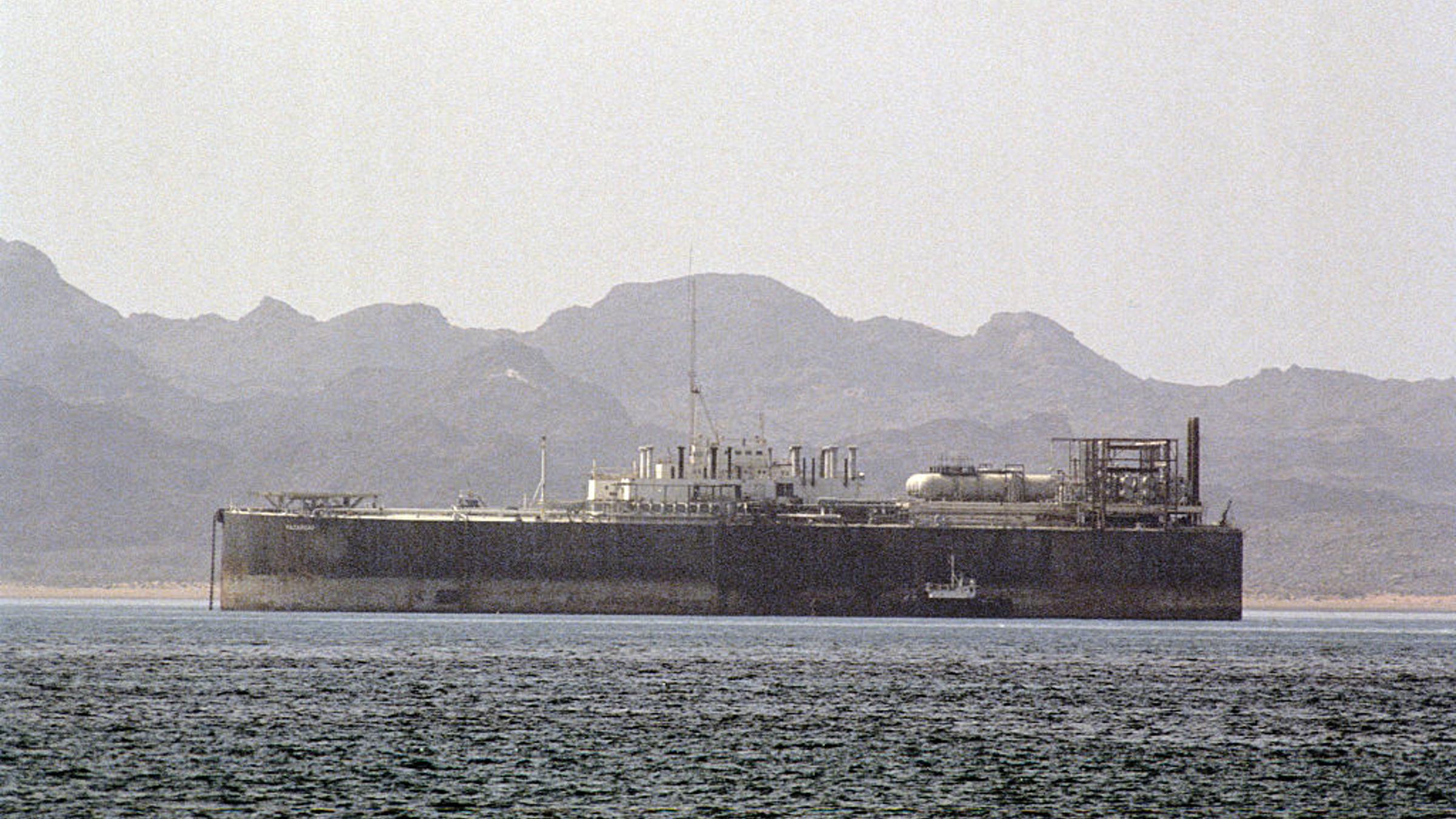
In the geopolitical landscape of the Middle East, few regions wield as much influence as the Strait of Hormuz. This narrow waterway, vital for global oil transportation, has become a focal point for tension and strategic maneuvering, particularly for Iran. The nation’s approach to this critical corridor is not just about exerting power; it has evolved into a significant revenue source essential for its economy amidst sanctions and international pressures.
The Strategic Importance of the Strait of Hormuz
The Strait of Hormuz serves as the primary maritime passage for oil shipments, with nearly a fifth of the world’s crude passing through this narrow channel. Given its role in global energy supply, control over the strait equates to considerable leverage in international trade and politics. Iran has recognized this importance and has positioned itself to claim authority over the waterway. The nation has conducted military exercises and established naval capabilities, asserting its presence to reinforce its influence. In this context, the strait is more than a transport route; it is a powerful tool for economic gain and geopolitical strategy.
Iran’s Tactical Maneuvers
In response to economic sanctions imposed by Western nations, Iran has adopted a multifaceted approach to leverage the Strait of Hormuz as a source of income. The regime has expanded its military presence and engaged in aggressive posturing. By threatening to close the strait, Iran sends a clear message to the global community about its capacity to disrupt oil flow if it feels its interests are threatened. These actions not only serve as a form of economic warfare but also enhance Iran’s bargaining power in negotiations regarding sanctions and regional influence.
The Economic Implications
Iran’s exploitation of the Strait of Hormuz has profound economic implications, both locally and globally. For Iran, the ability to control a significant portion of global oil transit enables it to extract critical revenue essential for its economy, which has been severely impacted by international embargoes. The country has also engaged in smuggling operations and clandestine oil sales to bypass sanctions, thereby generating income while challenging global norms. For the international community, any disruptions in the strait could lead to skyrocketing oil prices and economic instability across the globe.
Future Outlook: Tensions and Opportunities
As tensions escalate, the future of the Strait of Hormuz hangs in the balance. Ongoing confrontations between Iran and various global powers highlight the volatility of the situation. However, potential diplomatic resolutions and changes in global energy dynamics could reshape the importance of the strait. The rise of alternative energy sources and shifts in oil production methods may either ease the pressure on the strait or exacerbate conflicts if nations feel insecure about their energy supplies. As such, the Strait of Hormuz will remain a critical focal point for international relations and economic strategies in the years to come.
In summary, Iran’s tactical positioning around the Strait of Hormuz showcases its dual role as both a military assertor and a crucial economic player. The geopolitical stakes are high, with both regional and global implications resting on the outcomes of Iran’s maneuvers in this essential waterway.