
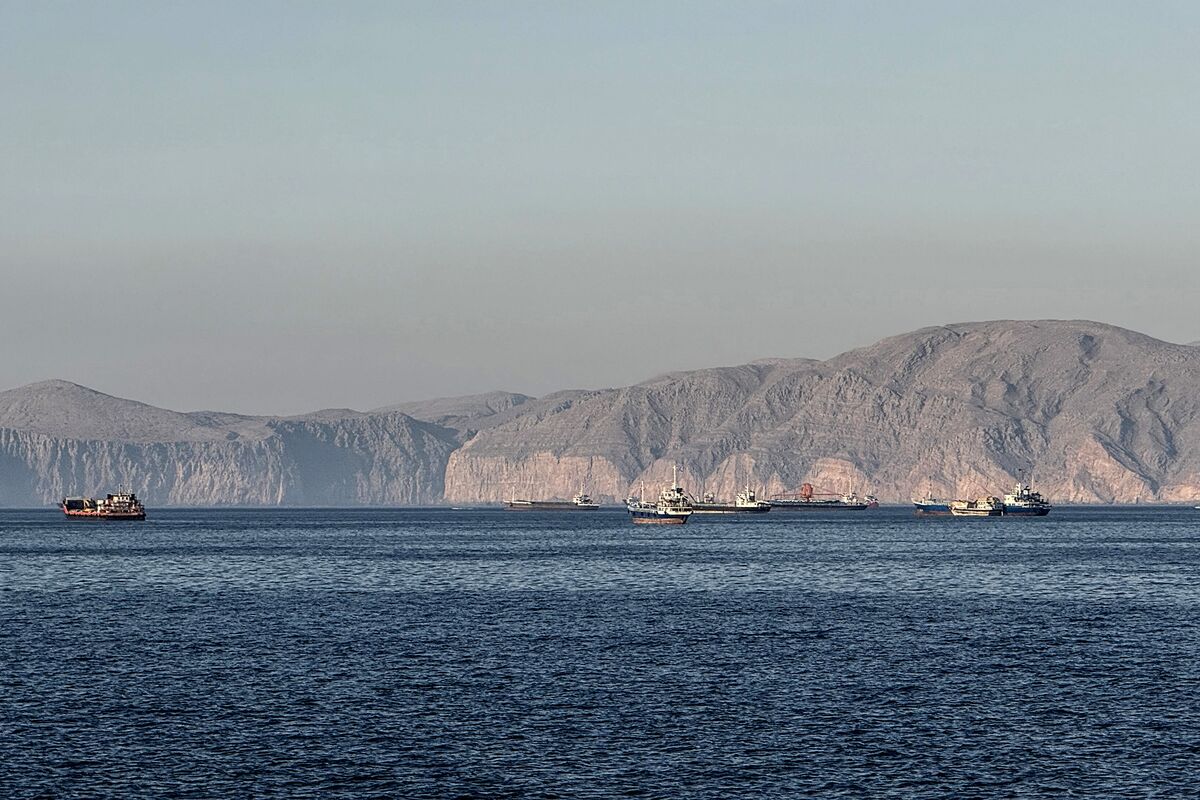
In the ever-evolving landscape of global energy markets, the actions of key players like Qatar have sparked significant shifts, particularly in the maritime sector. As these major producers face increasing pressures, they are challenging traditional maritime regulations, leading to potential long-term effects on the industry.
Qatar’s Bold Moves in Maritime Regulations
In recent years, Qatar has emerged as a significant player in the liquefied natural gas (LNG) sector. Facing growing competition and a pressing need to enhance efficiency, the nation is navigating uncharted waters in its approach to maritime operations. By deviating from established maritime protocols, Qatar aims to streamline its shipping practices and optimize delivery times for its energy resources. This shift reflects a broader trend among energy producers who are rethinking the rules to maintain their competitive edge.
The urgency to adapt is heightened by global demand dynamics and the unpredictability of energy markets. As countries pivot away from traditional energy sources, nations rich in natural resources are forced to innovate rapidly. Qatar’s strategic decision to “rip up” the maritime rulebook illustrates the lengths these producers will go to in order to secure their position in a volatile marketplace.
Implications for Global Energy Trade
The departure from conventional maritime regulations could have far-reaching consequences for global energy trade. Traditional shipping routes, established laws, and safety protocols may see significant alterations as countries like Qatar lead the way in protocol re-evaluation. While faster and more flexible maritime practices may benefit producers, they also raise concerns about safety and environmental sustainability.
With specialized vessels and innovative logistics strategies, Qatar is setting a precedent that could influence other energy suppliers to follow suit. As more countries embrace similar approaches, the global framework governing maritime shipping may undergo substantial changes, shifting the balance of power in energy transport.
Environmental Concerns and Industry Dynamics
As key players push for expedited shipping methods, environmental implications cannot be overlooked. The acceleration of maritime operations could lead to an increase in emissions and other ecological impacts. With growing awareness of climate change, stakeholders within the industry are becoming more cognizant of their environmental responsibilities. It presents a complex dichotomy for companies wanting to enhance efficiency while also adhering to sustainability commitments.
Moreover, the potential dilution of existing regulations might complicate international agreements regarding shipping practices and environmental standards. This conundrum puts regulators in a challenging position where they must balance the need for economic growth in energy markets with imperative environmental protections. The upcoming months and years will likely see intense debates surrounding maritime governance and sustainability as the industry grapples with these evolving dynamics.
A New Dawn for Maritime Energy Production
In summary, Qatar’s moves to alter maritime regulations signify a pivotal moment in global energy markets. As major producers embrace flexibility over tradition, the implications can potentially reshape the energy trade landscape. Stakeholders must remain vigilant and adaptive to these changes while working to ensure safety and sustainability remain at the forefront of the ongoing transformation.
As the energy sector navigates these challenges, collaboration among industry players, regulatory bodies, and environmental advocates will be key to ensuring that innovation does not come at the expense of the planet. The forthcoming transition could redefine maritime energy production and establish new norms for the industry in the years to come.