
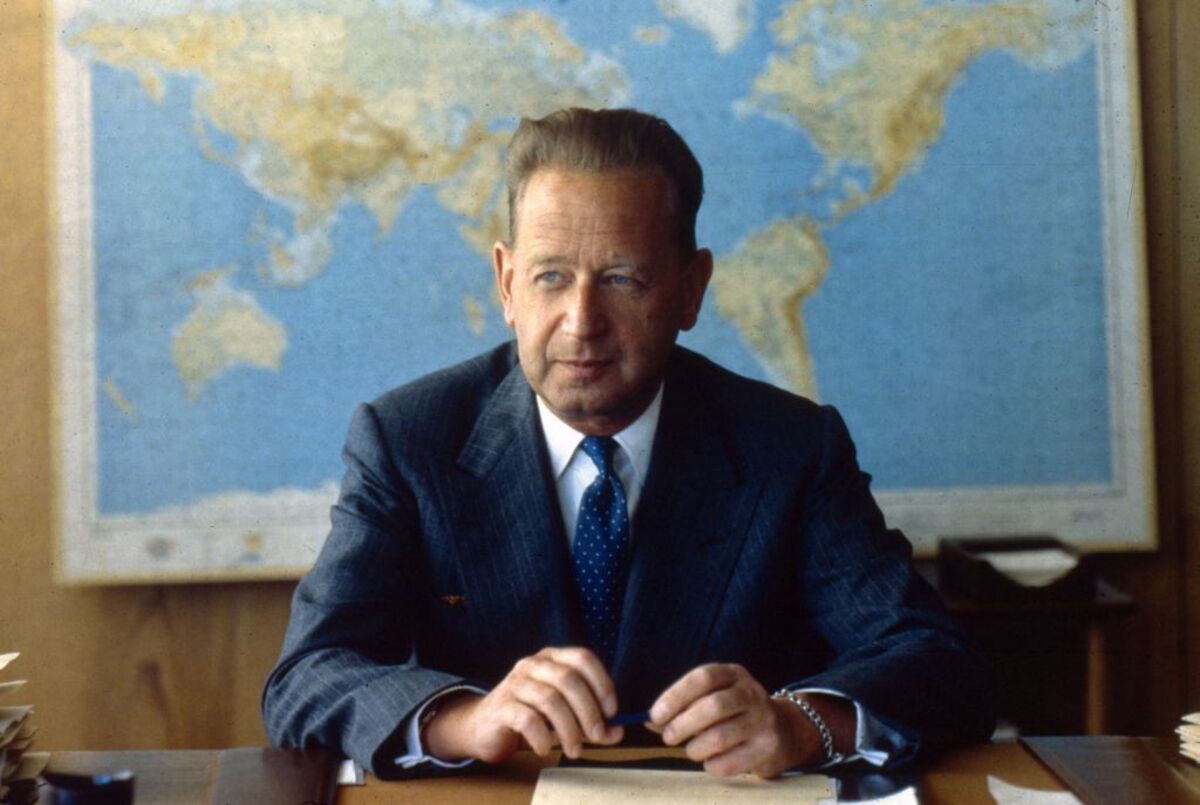
In an ever-connected world, we frequently come across stories of conflict and turmoil in nations like Iran, Ukraine, Lebanon, and Sudan. These crises often dominate the headlines, overshadowing the vital role that organizations like the United Nations (UN) play in promoting peace and stability. The UN has seen both triumphs and challenges over its long history, but its mission remains crucial in seeking resolutions to global conflicts.
The Role of the United Nations in Global Peace Efforts
Established in 1945, the United Nations was created to foster international cooperation and prevent war. Its founding principles emphasize the importance of maintaining peace and security among nations. Through various resolutions and peacekeeping missions, the UN strives to mediate disputes and offer a platform for dialogue. However, amid ongoing conflicts, the question arises: does the UN effectively fulfill its role as a peacemaker?
Despite criticism over its effectiveness, the UN has successfully intervened in numerous conflicts. Its peacekeeping missions have been deployed in various regions, providing not only military support but also humanitarian assistance. These efforts remind us that diplomacy and cooperation are fundamental in addressing the root causes of conflict. The challenges posed by political, social, and economic instability require comprehensive strategies, and the UN aims to address these complexities through collaboration with member states.
Challenges Facing the UN Today
The relevance of the UN has been tested by modern conflicts, which often involve non-state actors, ethnic divisions, and complex geopolitical interests. The situations in Iran, Ukraine, Lebanon, and Sudan demonstrate the evolving nature of warfare and conflict resolution. Ideological divides and national interests complicate the UN’s ability to operate effectively in these regions. Moreover, member states sometimes prioritize their own interests over collective decisions, undermining the organization’s authority.
Another challenge is the disparity in resources and support for UN operations. While some countries contribute significantly to peacekeeping efforts, others fall short, which can hinder missions’ effectiveness. The organization is often called upon to address urgent crises but may lack the necessary funding and personnel to respond adequately. This reality raises the question of how the UN can evolve to meet modern challenges while still fulfilling its original mission.
The Importance of Continued Support for the UN
While the UN faces significant challenges, it remains an essential entity for promoting global peace. Support for its initiatives is vital, as each situation demands tailored approaches that encourage consensus-building and understanding. The international community must invest in strengthening the UN’s capabilities, not only through financial support but also by fostering collaborative relationships that enhance its effectiveness.
In conclusion, the United Nations plays a critical role in addressing conflicts worldwide, despite the setbacks and limitations it faces. As we witness ongoing tumult in regions like Iran, Ukraine, Lebanon, and Sudan, it’s imperative to recognize the potential for diplomacy and collaboration that the UN embodies. Continued engagement and commitment to the UN’s mission can pave the way for a more peaceful and stable world. By empowering this institution, we can foster hope in places marked by despair, reinforcing the notion that peace is possible through collective action.