
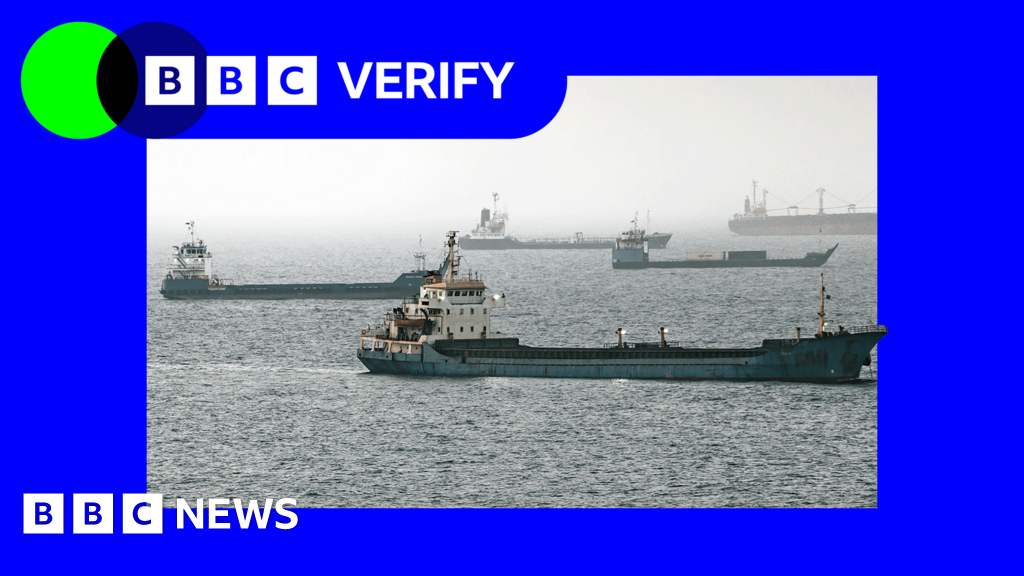
The recent Memorandum of Understanding (MOU) regarding maritime activities in the Strait of Hormuz has raised concerns among experts. Jennifer Parker, a maritime security specialist from the University of New South Wales, highlighted its ambiguity, especially concerning the protection of civilian shipping within Omani waters. Understanding the implications of such agreements is crucial for regional safety and trade.
The Importance of Clarity in Maritime Agreements
A well-defined MOU is vital for promoting stability in international waters, particularly in areas as strategically significant as the Strait of Hormuz. This strait is a critical chokepoint for global oil shipments, making any threat to maritime safety a matter of international concern. The lack of clarity within the recent MOU could embolden aggressive actions, further complicating already tense relations in the region.
Risks of Vague Agreements
Parker’s assessment underscores the dangers of ambiguous language. When agreements fail to clearly delineate acceptable actions, they can lead to misinterpretations or escalations. In the case of Iran, the MOU does not sanction attacks on civilian vessels in Omani territorial waters. However, the vagueness leaves room for potential conflicts, as parties involved may take unilateral actions, believing they are operating within an accepted framework.
The Geopolitical Context of Maritime Security
The Strait of Hormuz is not just a waterway; it represents a linchpin in global economic stability. Countries reliant on oil passing through this corridor have vested interests in maintaining safe passage. Given the geopolitical complexities, from U.S. sanctions to Iran’s regional ambitions, any action taken in response to the MOU has far-reaching implications. Experts argue that diplomatic efforts must be paired with robust security measures to ensure that civilians and commercial interests are protected.
Future Directions for Maritime Diplomacy
Moving forward, there needs to be a concerted effort to initiate clearer and more comprehensive agreements that leave no room for interpretation. These should involve not only regional players but also global stakeholders who have interests in the stability of maritime routes. Evaluating past agreements can provide insights into building a more resilient framework that secures civilian shipping while addressing the underlying tensions that impact maritime safety.
In summary, the ambiguity of the recent MOU regarding the Strait of Hormuz poses significant risks to maritime security. Without clear terms, the potential for conflict rises, affecting international trade and regional stability. As nations navigate these complex waters, a focus on transparency and explicit agreements is essential for preventing future misunderstandings and ensuring safe passage for all.