
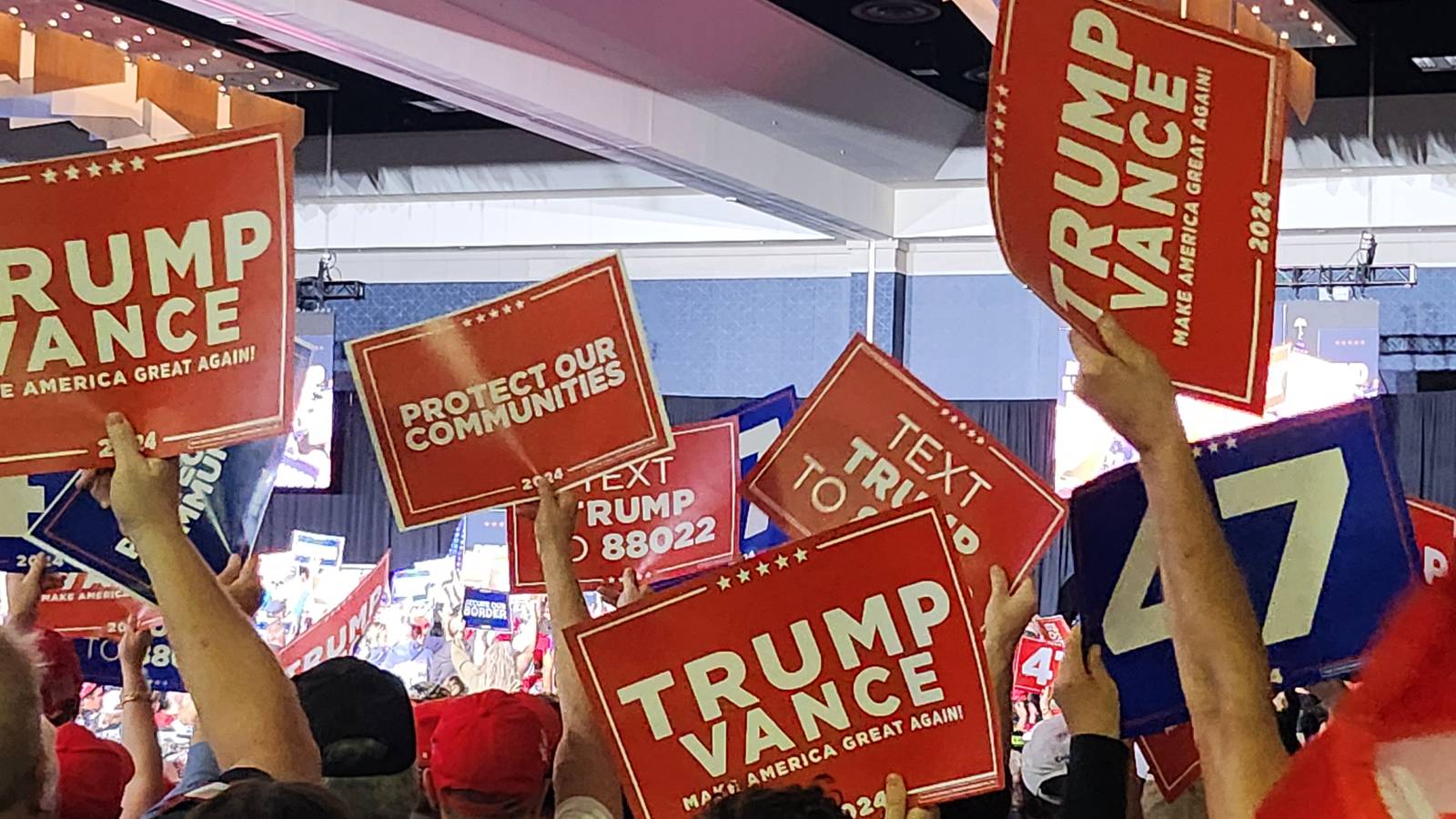
Former President Donald Trump recently reignited discussions about a potential military intervention in Cuba during a rally in South Florida, as he addressed the growing attention surrounding U.S. foreign policy just before the midterm elections. The remarks underscore ongoing tensions regarding the U.S. approach to both Cuba and the broader implications of its actions in the Middle East.
Trump’s Proposal for Military Action
At the rally, Trump suggested that U.S. warships returning from engagements in the Middle East could make a strategic stop off the coast of Cuba. His comments indicate a confrontational stance, designed to appeal to voters who have been concerned about rising costs exacerbated by the ongoing conflict in Iran. He emphasized, “We’ll do a little stopover” and expressed ambition that the U.S. would engage aggressively with Cuba after concluding its military operations abroad.
This proposition isn’t entirely new; Trump and supporters, including Senator Marco Rubio, have previously hinted at potential interventionist strategies with regard to Cuba. Rubio echoed Trump’s sentiments, asserting that Cuba has long posed a national security threat due to its alliances with U.S. adversaries. Both Trump and Rubio advocate for a more aggressive American posture in the region and have raised the prospect of military action if diplomatic ties fail to improve.
The Context of U.S.-Cuba Relations
The backdrop of these discussions is the deteriorating state of Cuba’s economy, which has significantly declined since 2020, leading to widespread protests and a mass exodus of its citizens seeking opportunities in the United States. Amid this turmoil, both Trump and Rubio have sought to position themselves as resolute figures ready to confront Cuba’s government and its ideological connections with adversaries of the U.S. In a recent statement, Rubio expressed concerns about the communist regime’s ability to stabilize the country, hinting that U.S. military intervention might be necessary if they continue to act against American interests.
While there may be calls for intervention, Rubio has also indicated that the Trump administration aims to resolve differences with the Cuban government through peaceful negotiations. However, skepticism remains about the viability of such discussions. The sentiment among U.S. officials is leaning towards the likelihood that the current Cuban leadership would be resistant to any diplomatic overtures.
Recent Tensions and Prospects for Change
In recent weeks, the U.S. and Cuba have engaged in diplomatic clashes, notably during an assembly at the United Nations where the U.S. sought to garner support against the economic embargo imposed on Cuba. This embargo has been a focal point of contention for decades, complicating relations and presenting a significant hurdle to any potential reconciliatory efforts.
With Cuba facing an economic downturn, characterized by a significant reduction in its gross domestic product and rampant shortages, it remains to be seen how the island nation will navigate its future. The Trump administration’s hardline approach, combined with Rubio’s vocal commitment to national security, suggests that the situation could evolve rapidly, underscoring the complexities of U.S.-Cuba relations.
As tensions continue, both figures signal a readiness for substantial action, whether through military interventions or potentially renewed sanctions. The coming months may prove critical in determining the trajectory of U.S. policy in the region, as the government balances concerns about national security with the need for diplomatic solutions to restore stability both within Cuba and in broader international relations.