
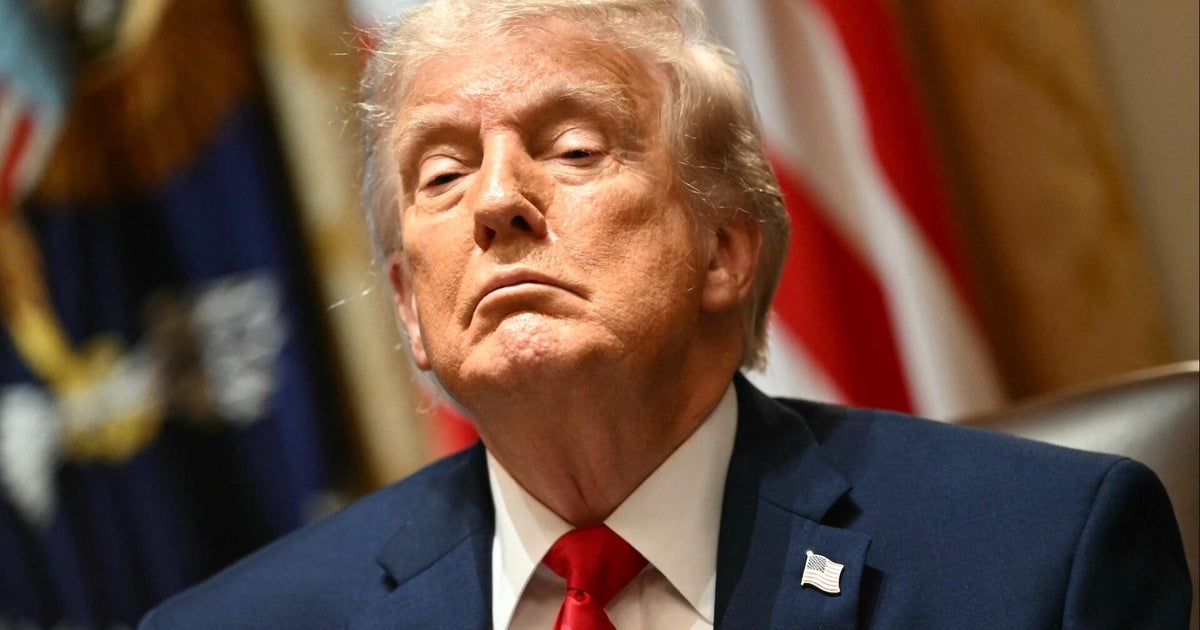
President Trump convened a meeting with his senior advisors in the Situation Room recently to strategize regarding U.S.-Iran relations. As negotiators from both nations explore options, the aim is to establish a longer-lasting ceasefire agreement. CBS News correspondent Natalie Brand has been covering the developments closely.
Key Discussions on U.S.-Iran Relations
During the meeting, President Trump and his advisors focused on assessing the current state of affairs between the United States and Iran. With tensions often running high, the administration is keen on finding a diplomatic avenue to ensure stability in the region. The discussions aimed to evaluate the potential impact of prolonging the ceasefire, which has become a pivotal element in U.S. foreign policy.
The intent behind the negotiations is to solidify a framework that could lead to more significant peace talks. By successfully extending the ceasefire, both nations might pave the way for improved diplomatic relations. Experts believe this could potentially lead to a reduction in hostilities and create a more favorable environment for peace discussions in the future.
Negotiations Underway: Challenges and Opportunities
As U.S. and Iranian negotiators delve deeper into discussions, they face substantial challenges. Political sensitivities on both sides make it difficult to achieve consensus. Nonetheless, there are opportunities for breakthrough moments, particularly if both parties are willing to compromise on key issues. Analysts suggest that a successful negotiation could have far-reaching implications, not just for the two countries, but also for regional stability as a whole.
The atmosphere surrounding the negotiations is closely monitored by other nations as well. Many global powers have a vested interest in the outcome of U.S.-Iran relations, given the broader implications for security and economic cooperation in the Middle East. Therefore, any agreement or extension of the ceasefire would not only affect direct relations but could also influence the behavior of other regional actors.
The Importance of a Long-Term Ceasefire
Extending the current ceasefire is viewed as a critical measure for preventing further escalations. A long-term ceasefire could provide the necessary breathing space for both sides to engage in constructive dialogue. Importantly, it would also signal to the international community that both nations are committed to resolving their differences peacefully.
By fostering an environment where negotiations can take place without the threat of immediate conflict, the chances for a collaborative solution increase. The implications of a successful ceasefire extension could resonate well beyond U.S.-Iran relations, encouraging other nations to consider similar diplomatic efforts in their respective situations.
Through careful dialogue and sustained commitment, both the United States and Iran have the potential to reshape their relationship into one that favors peace over hostility, ultimately benefiting not only their citizens but the entire region. As these conversations continue, the world will be watching closely to see if they lead to a more harmonious future.