
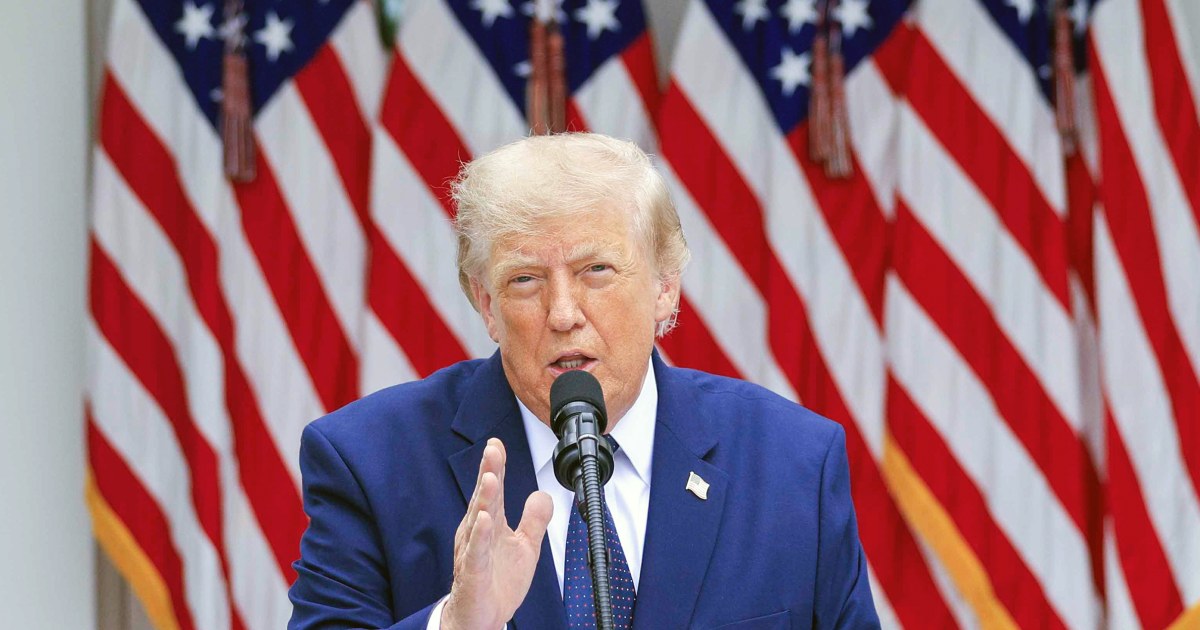
In the face of escalating tensions regarding the conflict with Iran, President Donald Trump is grappling with familiar yet limited options. Amidst this situation, he is receiving an abundance of guidance from various sources, including his national security team, foreign leaders, congressional Republicans, and allies beyond his administration.
Advisory Input from Key Players
As Trump navigates this complex landscape, the input from his advisors is crucial. Members of his national security team are likely offering insights based on military intelligence and geopolitical strategy. They may suggest options that avoid escalating into full-force military actions, focusing instead on diplomatic approaches or targeted sanctions. Furthermore, the input from foreign leaders may emphasize the importance of maintaining global alliances and stability in the region, which could shape U.S. foreign policy strategies.
Congressional Republicans are also weighing in, often advocating for a more assertive military posture. Their concerns typically revolve around ensuring national security and responding to what they perceive as threats from Iran. This bipartisan tension reflects the contrasting views within U.S. politics, with some factions pushing for negotiation and others favoring a show of strength.
The Role of International Relationships
International dynamics play a pivotal role in shaping U.S. actions. Allies and partners worldwide are closely monitoring the situation, many of whom have deep-rooted interests in the stability of the Middle East. Their perspectives could significantly influence U.S. policy, potentially advocating for coalition-building to sanction Iran or streamlining intelligence sharing amongst allied nations.
The complexity of these relationships underlines the intricacies of modern diplomacy. Any military engagement could mean repercussions not just for the U.S. but also for its allies. This intricate web of alliances emphasizes the need for a strategy that not only prioritizes U.S. interests but also considers global consequences.
Navigating Uncertainty in Decision-Making
The path forward for Trump is certainly fraught with uncertainty. Each available option carries its own risks and potential fallout. While some advisors may push for immediate retaliatory actions, others may argue for a more measured approach, emphasizing the importance of international consensus. How Trump weighs these contrasting perspectives will ultimately shape the U.S.’s strategic response to the ongoing crisis.
Moreover, the domestic political landscape adds another layer of complexity to Trump’s decision-making. As he receives differing opinions, he must also account for public opinion and the broader implications for his administration’s agenda. This blend of national security considerations, international diplomacy, and domestic politics creates a highly intricate decision-making environment.
In conclusion, the situation with Iran necessitates careful navigation. Trump’s administration must balance diverse voices while weighing the potential long-term effects of any actions taken. As tensions persist, the strategies employed will reflect not only U.S. priorities but also its role in the wider geopolitical arena. The coming days will be critical in determining how these various factors will converge to influence U.S.-Iran relations going forward.