
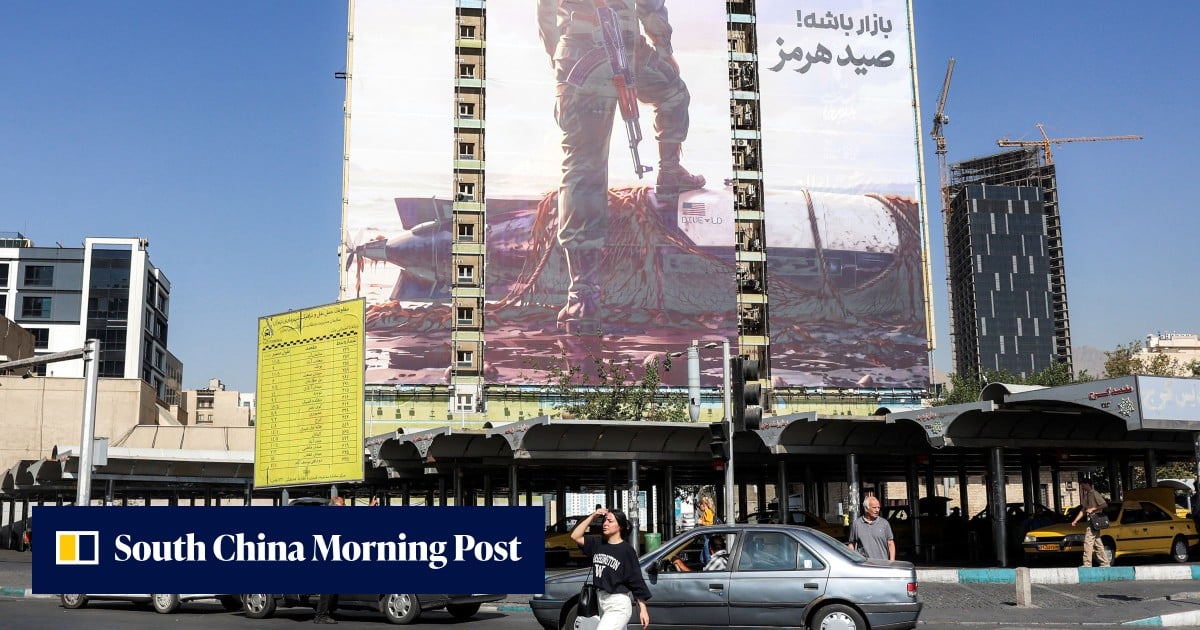
In a recent development, U.S. President Donald Trump dismissed an Iranian proposal for a truce that could have potentially reopened the vital Strait of Hormuz for maritime transportation in a matter of days. This critical waterway plays an essential role in the global energy supply and remains a focal point of the ongoing tensions between the United States and Iran, which has reached a stalemate after several months of conflict.
Importance of the Strait of Hormuz
The Strait of Hormuz is a strategic maritime chokepoint, with approximately one-fifth of the world’s oil passing through it. Its importance to global economics and energy security cannot be overstated. The ongoing conflict between the U.S. and Iran has heightened concerns over the safety and stability of this crucial waterway. The region’s geopolitical landscape is frayed, as tensions escalate without any clear resolution in sight. Any disruptions to shipping lanes in this area could have significant ramifications for global oil prices and supply chains, affecting economies worldwide.
Trump’s Rejection of the Truce Proposal
In a statement made outside the White House, President Trump reinforced his stance on the Iranian truce offering, stating, “I reject their proposal.” His comments highlight the U.S. administration’s strategy toward Iran, where pressure remains a key tactic. According to Trump, Iran is facing substantial challenges and is seeking a deal to reopen the Strait because of its weakening position. “They want to make a deal and I think that’s fine. I like making a deal too,” he added, indicating a willingness to negotiate, but under terms more favorable to the U.S.
Current Stalemate and Future Implications
The standoff between the U.S. and Iran has persisted for nearly seven months, leading to increased military posturing and economic sanctions from the West. The rejection of the truce serves as a reminder that diplomatic solutions are presently elusive, further complicating the situation. With both sides entrenched in their positions, the risk of miscalculations or further escalations remains high. Analysts warn that lingering tensions could lead to unforeseen consequences, particularly affecting countries that rely heavily on oil imports through the Strait.
A comprehensive resolution will likely require a reevaluation of strategies from both sides. While President Trump has signaled interest in negotiating a different type of deal, the path forward will necessitate careful diplomatic engagement. The stakes are high, not only for the U.S. and Iran but for global markets and international relations as well. Both countries must consider the potential fallout from continued hostilities, especially concerning the stability of vital trade routes.