
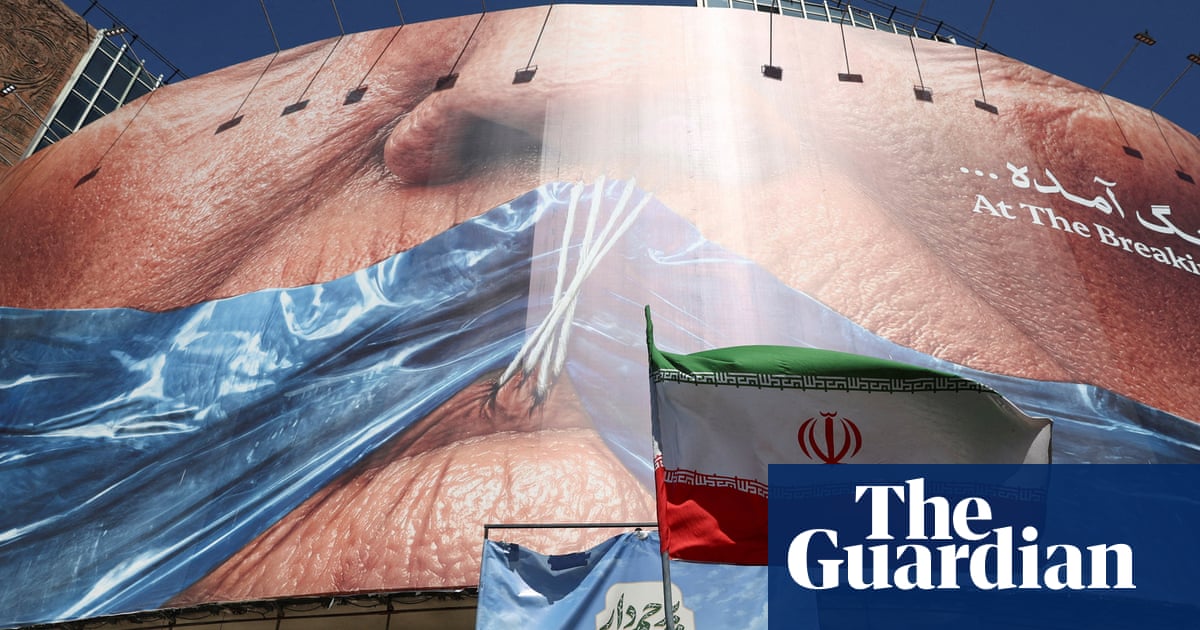
The complex dynamics of the Trump administration’s foreign policy, especially concerning Iran, showcase a turbulent interplay between ambition and reality. Trump’s approach has often been characterized by a selective engagement with the truth, a tactic instilled in him by his former mentor, Roy Cohn. As tensions rise, the Iranian regime positions itself as an equally persistent adversary, creating an intricate and challenging landscape for negotiations.
Current Negotiation Climate
In light of the latest reports, Trump has announced the resurgence of negotiations with Tehran this week. However, despite his claims, Iran has taken assertive measures, such as launching ballistic missiles at U.S. bases in the region and maintaining control over the Strait of Hormuz. This situation complicates any potential peace talks and places pressure on Trump as he navigates a looming global energy crisis and a contentious midterm election cycle.
With the announcement of renewed discussions, Iran quickly dismissed Trump’s assertions. The Iranian foreign ministry emphasized that there were no active negotiations with the United States, clarifying that their discussions were solely with Oman regarding passage through the vital waterway. This standoff illustrates the intricate calculations at play in the region and reflects the deep mistrust that underpins U.S.-Iran relations.
Strategy of Stalemate
Trump’s repeated claims of imminent deals with Iran, particularly his assertion that peace could be achieved in a matter of days, signal a desperate push to reopen critical shipping lanes and ease escalating tensions. After a stark statement promising to respond forcefully to Iranian provocations, he appeared to pivot again, suggesting that preliminary frameworks for agreements concerning the Strait of Hormuz and Iran’s nuclear program had been outlined.
However, such optimism does not seem to resonate with Iranian officials. Esmaeil Baqaei, a spokesperson for the Iranian foreign ministry, reiterated that Iran has not been negotiating with the U.S., a statement that reflects Tehran’s calculated stance. They remain adamant about securing their interests and controlling their regional narrative, indicating no imminent return to the prewar status quo in the Strait of Hormuz. Instead, Iran is determined to prevent any use of the strait that could threaten its national security.
Impending Challenges Ahead
The ongoing situation complicates both sides’ strategic objectives. With Iran maintaining the capability to disrupt shipping in the Strait of Hormuz—through which a sizable portion of the world’s oil supply passes—the U.S. must tread carefully. Despite potential military advantages, the lack of clear targets to compel Iran to change its course hinders U.S. options. The Trump administration has expressed a desire to conclude the conflict quickly, particularly with elections looming where negative public sentiment about the war is palpable.
Recent polling indicates a waning support for the war among Americans, with many feeling uninformed about the administration’s military goals in the region. Iran has leveraged this uncertainty to enhance its negotiating power, effectively using the unpredictable environment to its advantage.
In conclusion, as the standoff continues, Iran’s strategy to maximize the impact of its actions underscores the complexity of the ongoing conflict. Time is running out for both nations, but with each side entrenching its positions, a resolution appears increasingly elusive. Iran’s aim to alter the U.S. approach could lead to a protracted status quo, whereby both nations grapple with the ramifications of their decisions in a historically volatile region.