
Donald Trump has expressed optimism regarding the conclusion of negotiations surrounding a potential agreement with Iran, noting that the “final aspects and details” are currently under discussion and may be revealed soon. In a recent post, Trump stated, “An agreement has been largely negotiated, subject to finalization between the United States, the Islamic Republic of Iran, and several other countries.”
Uncertainties Surrounding the Strait of Hormuz
Despite Trump’s hopeful announcements, questions remain about the status of the Strait of Hormuz, a crucial waterway for global oil transportation. While Trump suggested that the strait would be reopened as part of the agreement, reports from Iran’s Fars news agency—linked to the Islamic Revolutionary Guard Corps—indicate that control of the strait will remain with Iran, which is a significant point of contention for the United States. They have labeled Trump’s claims of an impending agreement as “inconsistent with reality.”
Pakistan’s Role in Facilitating US-Iran Talks
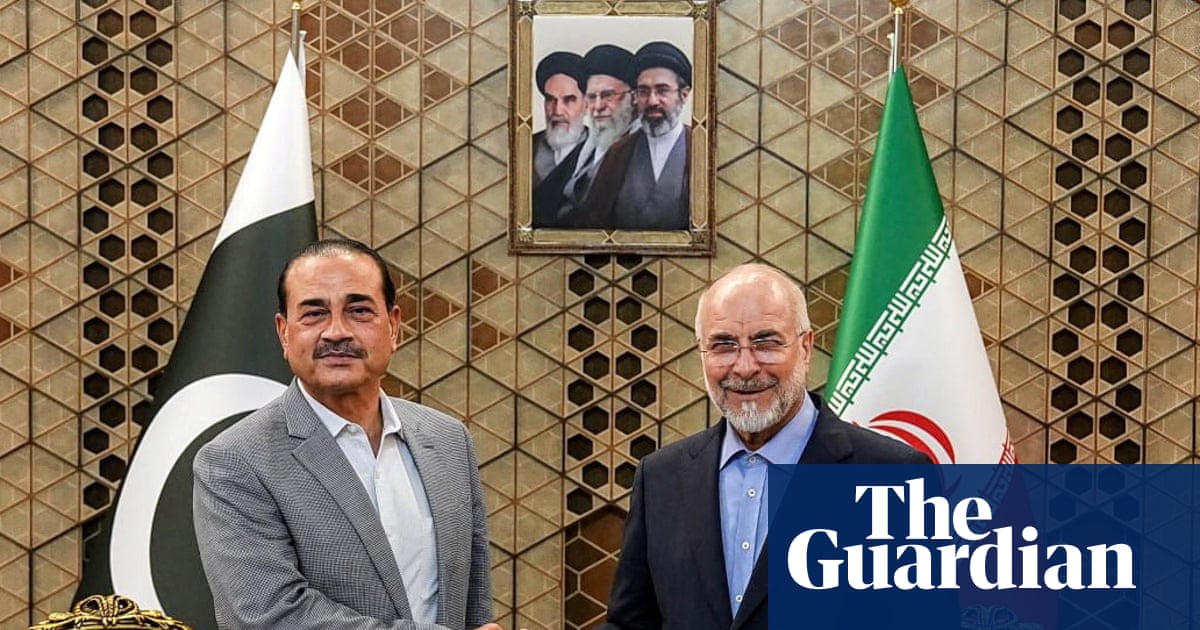
In related diplomatic developments, Pakistani Prime Minister Shehbaz Sharif has publicly congratulated Trump on his peace initiatives, expressing hope that Pakistan will soon facilitate another round of talks between the US and Iran. This follows a previous negotiation session led by US Vice President JD Vance in Islamabad, which did not result in any agreement six weeks ago. The involvement of Pakistan as a mediator highlights its strategic position in International relations, especially concerning US-Iran dynamics.
Additional Recent Incidents
In a separate incident, a potential gunman was reported to have fired at officers near the White House, resulting in a temporary lockdown of the area. Federal officials confirmed the individual approached a security checkpoint before opening fire. The rapid response to this incident highlights ongoing concerns about security in the vicinity of sensitive government locations.
Moreover, U.S. authorities have issued a temporary ban on green-card holders entering the country if they have visited certain African nations in recent weeks, as part of measures aimed at preventing the entry of Ebola. This decision underscores ongoing public health challenges the U.S. faces.
In an unsettling turn of events, the Department of Justice has officially stated that it has removed news releases related to prosecutions stemming from the January 6 Capitol riots from its website, calling the existing communication “partisan propaganda.” This move has sparked debates about historical accuracy and transparency within governmental communications.
As the situation continues to evolve, international relations, public health policies, and domestic security remain crucial topics that will require ongoing attention and action from government officials both in the U.S. and abroad.