
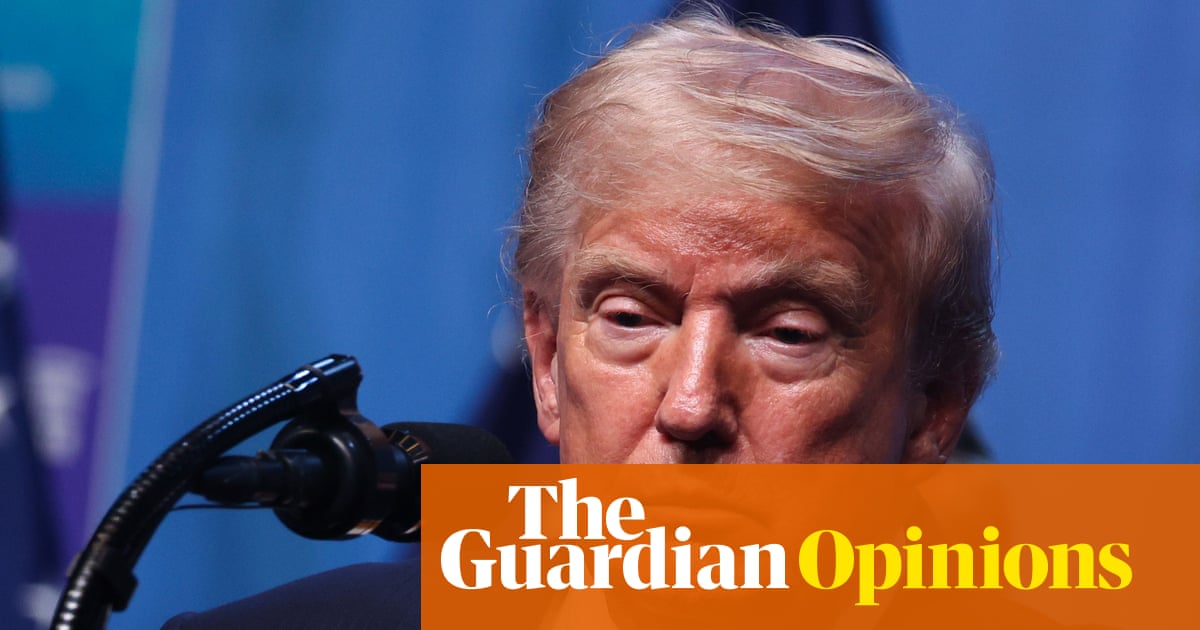
Donald Trump’s military strategies in Iran have sparked widespread criticism, highlighting his chaotic and reckless approach to foreign affairs. The situation, marked by escalating conflict and humanitarian crises, illustrates the profound implications of an impulsive foreign policy. Many view Trump’s inability to devise a coherent plan as a direct threat not only to American interests but also to global stability.
The Consequences of Military Aggression
Under Trump’s leadership, the U.S. has ramped up military actions in Iran, unintentionally strengthening a regime that is largely indifferent to the suffering of its citizens. His administration’s claims of “winning big” in the conflict ring hollow, as the toll—both human and economic—continues to rise. The goal of controlling vital waterways like the Strait of Hormuz remains an elusive objective against a backdrop of failed military engagements and ineffective strategy. Trump’s approach is seen as paradoxical: if Iran is truly the imminent threat he insists it is, one would expect a much more aggressive strategy akin to past military invasions.
Additionally, the lack of a clear strategy from the Trump administration has only deepened the quagmire. Historical precedents, such as George W. Bush’s decision to invade Iraq, are stark reminders that poorly planned military interventions can lead to catastrophic outcomes. While Bush’s leadership may have involved grave mistakes, at least there was a semblance of a structured plan—something Trump’s administration notably lacks.
A Reckless Path to War
Trump’s history of avoiding accountability for his military decisions raises significant concerns. From bypassing Congress to sidestepping consultations with essential allies and the public, he initiated conflict without a solid foundation. Ignoring expert advice, he placed faith in promises of swift victories from foreign leaders. Surprisingly, he seemed unprepared for Iran’s inevitable retaliation, displaying a shocking level of unawareness regarding the consequences of military escalation.
In the same vein, Trump’s interventions in other geopolitical hotspots, such as the Ukraine-Russia conflict, reveal a pattern of neglecting the complexities underlying these issues. His preference for siding with perceived stronger parties without understanding the historical context of these disputes has consistently eroded moral high ground and effectiveness in diplomatic negotiations. Such reckless behavior perpetuates cycles of violence and instability, reinforcing the notion that he is largely out of touch with the dire ramifications of his policies.
Global Repercussions and American Dissent
The fallout from Trump’s military actions extends far and wide. Rapidly rising oil prices and destabilization of markets point to a deteriorating economic landscape exacerbated by U.S. military ventures. Allies are losing confidence, and adversaries relish the chaos, viewing it as an opportunity to advance their own geopolitical agendas. This ongoing conflict casts doubt on America’s standing as a global superpower, diminishing respect while inflating tensions internationally.
Despite a growing consensus among Americans against the costly conflict in Iran—a war estimated to burden the economy with over $100 billion—Trump remains unyielding. Congressional voices urging him to seek authorization for military action have been disregarded. Allies, fearful of damaging relations further, hesitate to challenge his authority, highlighting the precarious position in which global diplomacy finds itself.
As the world watches, the ultimate resolution to Trump’s tactical failures in Iran lies with the American populace. Their decisions will shape not only the nation’s identity but also its role on the global stage. The urgency for a shift away from Trump’s chaotic governance is self-evident. Moving forward requires a collective acknowledgment that leadership grounded in empathy and strategic clarity is essential for fostering peace and stability, both at home and abroad.