
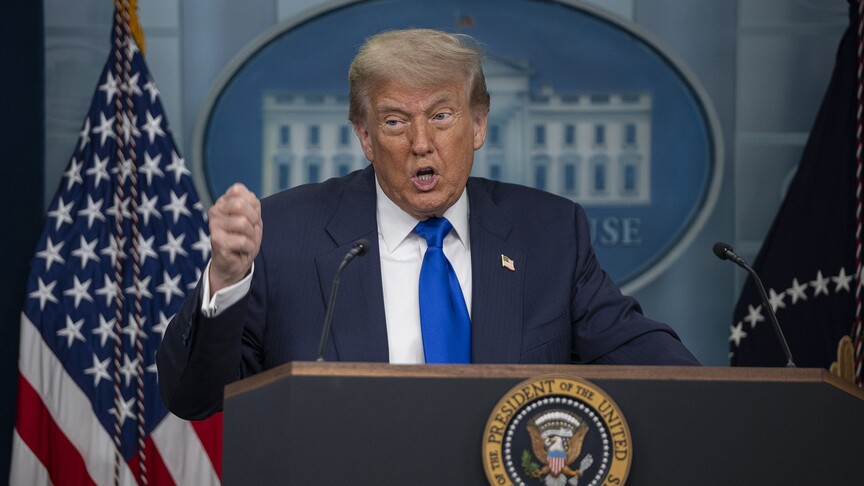
US President Donald Trump recently announced that he has dismissed Iran’s latest proposal during indirect negotiations held in New York. Despite this rejection, talks continue between the two nations, sparking curiosity about the ongoing diplomatic dynamics.
Trump’s Rejection of Iran’s Proposal
On a Saturday, Trump addressed the media outside the White House, stating, “They have made a proposal and I rejected it.” The comments underscore the tense relationship between the United States and Iran, as both sides navigate complex negotiations concerning nuclear issues and regional stability.
While Trump’s response was firm, a U.S. official emphasized that discussions remain “positive and constructive,” highlighting the ongoing efforts to engage, albeit indirectly, with Tehran. The involvement of mediators in the discussions showcases the intricate web of diplomacy prevalent in the region.
Details of the Indirect Talks
High-level discussions took place on the sidelines of the UN General Assembly, involving significant figures like U.S. Special Envoy Steve Witkoff and Jared Kushner, Trump’s son-in-law. They held indirect talks with Iranian Foreign Minister Abbas Araghchi, facilitated by Qatari officials who acted as intermediaries.
During these discussions, Araghchi laid out Iran’s conditions for reopening the strategically vital Strait of Hormuz and reinitiating nuclear negotiations. Specifically, Tehran requested the reopening of the waterway and a swift resumption of talks, contingent upon the U.S. lifting its naval blockade, revoking sanctions on Iranian oil sales, and reinstating a region-wide ceasefire.
Challenges and Realities in Negotiations
Nevertheless, American negotiators reminded their Iranian counterparts that Tehran does not control the Strait of Hormuz, thereby complicating their demands. This interaction highlights the challenges in reaching a consensus, as each side grapples with deeply rooted suspicions and conflicting interests.
As news of these negotiations unfolds, regional actors such as Türkiye and Qatar actively push for renewed diplomatic efforts. However, significant gaps still exist between the two nations concerning key issues, illustrating the intricate nature of foreign policy and international relations in this contentious area.
Overall, while the rejection of the proposal signals a setback, it also underscores the importance of diplomacy. The ongoing dialogue—despite its complexities—may pave the way for future negotiations and potential resolutions, making it an area to watch closely in the coming months.