
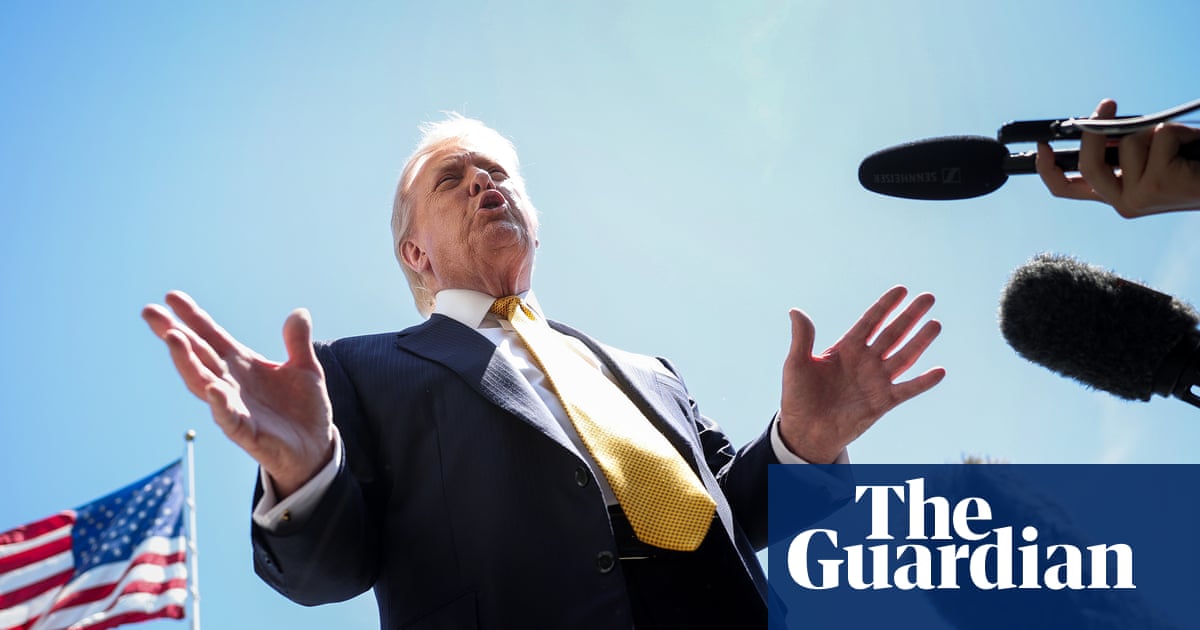
Donald Trump has made it clear that the financial burdens placed on Americans due to the ongoing conflict with Iran are not swaying his stance towards achieving peace with Tehran. In a recent statement, he emphasized that his primary concern remains preventing Iran from acquiring nuclear weapons, rather than addressing the economic struggles of the populace.
Inflation Concerns Amidst Conflict
With inflation rates in the U.S. soaring to levels not seen in three years and fuel prices escalating following significant rises in oil costs, the president stated he is not preoccupied with the economic ramifications of the war. Specifically, U.S. inflation has climbed to 3.8%—the highest rate since early 2023—largely driven by soaring energy prices linked to hostilities between the U.S., Israel, and Iran. As gasoline prices average over $4.50 a gallon, households are facing increased costs across the board, from food to utilities, further straining household budgets.
Trump’s comments come at a time when the political landscape is heating up as the midterm election season approaches. Voters are becoming increasingly concerned about rising living costs and inflation, making economic issues a focal point in upcoming campaigns. Despite these financial pressures, Trump maintains that negotiations with Iran will not be influenced by domestic economic conditions.
Economic Predictions and Rising Costs
In his remarks, Trump reiterated that his primary focus is Iran’s potential nuclear ambitions. This viewpoint has raised eyebrows as many Americans struggle with the financial burden created by the ongoing conflict. Current estimates indicate that food prices have risen nearly 4%, electricity bills are climbing, and airfares have surged by over 20%. Amid these soaring costs, Trump’s administration has faced criticism for not providing a clear timeline for when these economic pressures might ease.
Energy Secretary Chris Wright previously hinted that fuel prices could revert to prewar levels by summer, yet updated comments suggest uncertainty in these projections. With varied opinions among his advisors, predictions about future price stability remain ambiguous, positioning the administration in a politically vulnerable spot.
Shifting Perspectives on Economic Impact
Despite rising costs, officials like Kevin Hassett, a key economic advisor, have expressed optimism that relief is on the horizon and promised it would come before the election. Furthermore, Trump has claimed that the war’s conclusion could herald a significant drop in oil prices, contradicting the more pessimistic forecasts of market downturns. He implies that the worst scenarios projected, such as outlandishly high oil prices or substantial stock market crashes, have failed to materialize.
On the other hand, perspectives vary within the administration. Secretary of State Marco Rubio recently suggested that Americans should consider themselves fortunate compared to other nations suffering severe economic consequences from the war. This narrative echoes a broader discourse increasingly observed on the global stage, where inflation is reported to be rising in countries such as Canada and Australia.
As inflation continues to impact consumer confidence, which has fallen to levels not seen since 2022, Trump’s public appearances remain characterized by a focus on stock market performance rather than economic hardship. He predicts that the conclusion of the war will not only yield price drops but also usher in what he describes as a “golden age” for the American economy.
In summary, as the situation with Iran remains tense, economic challenges pervade everyday life for many Americans. Trump’s resolute stance on nuclear arms control appears to overshadow the pressing financial concerns faced by citizens, setting the stage for a potentially contentious electoral season.