
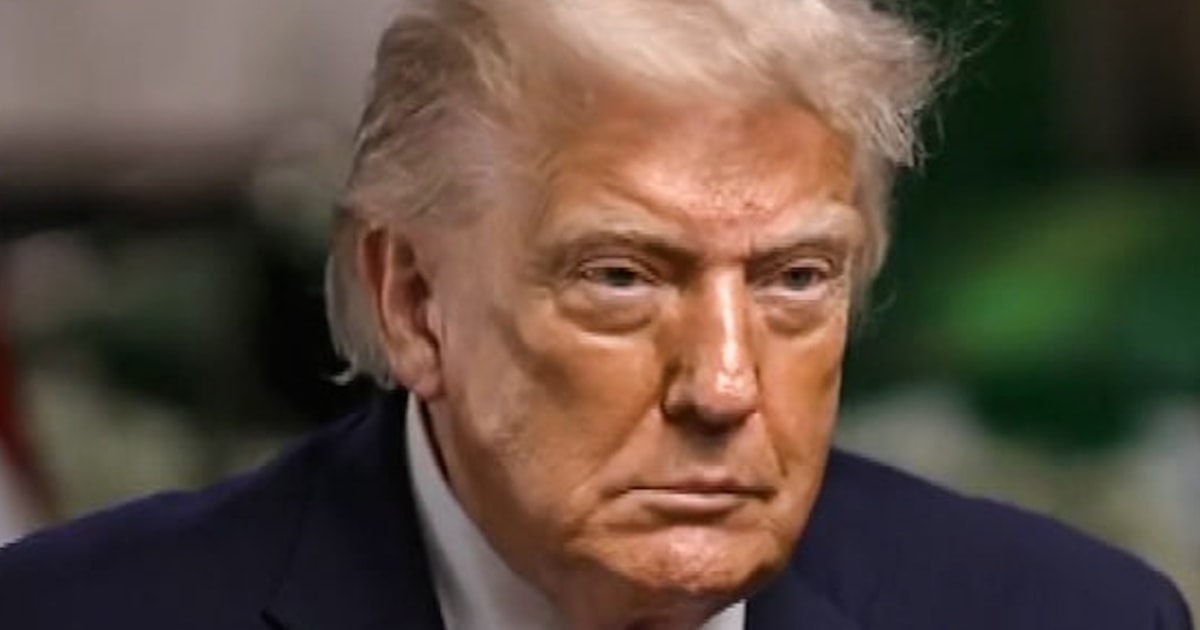
In an exclusive interview with Meet the Press, former President Donald Trump discusses pressing international issues, particularly focusing on the ongoing situation with Iran. As tensions continue to rise, Trump emphasizes the importance of negotiating a deal to stabilize relations and ultimately end the conflict. His insights shed light on the complexities involved in diplomacy, the role of the United States, and the implications for global stability.
The Importance of Diplomacy in International Affairs
Diplomacy remains a crucial tool in addressing international conflicts, and Trump’s remarks highlight the significance of engaging with adversarial nations like Iran. With hostilities escalating, open communication is vital in finding common ground. Trump’s views resonate with many who believe that a balanced approach, rather than aggressive tactics, is essential for fostering peace. Engaging Iran in meaningful discussions could pave the way for a new chapter in U.S.-Iran relations, potentially benefiting both nations and the broader region.
The Challenges of Negotiating with Iran
Negotiating with Iran presents unique challenges due to its complex political landscape and historical contentiousness with the West. Trump acknowledges these difficulties but emphasizes the need for a pragmatic strategy. The former president advocates for a firm yet fair approach that incorporates the interests of both parties. By focusing on a mutually beneficial agreement, the U.S. could shift from a reactive stance to a proactive one, potentially leading to a more stable Middle East.
Global Stability and Its Impact on the U.S.
Stability in the Middle East is critical not just for regional players but also for global security and economic health. Trump’s discussion touches upon how a resolution with Iran could decrease violence and unrest, leading to enhanced trade opportunities and collaboration among nations. Furthermore, lessening tensions with Iran could enable the U.S. to redirect resources toward domestic needs, ultimately creating a stronger nation. The ripple effects of peace negotiations extend well beyond the immediate regional context, impacting global markets and alliances.
The Role of the U.S. in Shaping Future Relations
As a prominent global player, the United States has a responsibility to lead efforts toward conflict resolution. Trump’s interview suggests that fostering constructive dialogue with Iran could serve as a template for resolving conflicts elsewhere. By adopting a diplomatic framework that emphasizes understanding and cooperation, the U.S. can emerge as a stabilizing force in international relations. The potential for collaboration exists, and it is imperative that the U.S. takes the initiative to unlock it.
In conclusion, Trump’s insights offer a compelling perspective on the urgency of negotiating a deal with Iran. The path to peace requires a commitment to diplomacy, embracing challenges, and recognizing the broader implications of these relationships. As the world watches closely, the actions taken by the U.S. in relation to Iran could significantly shape the future of international relations and global stability.