
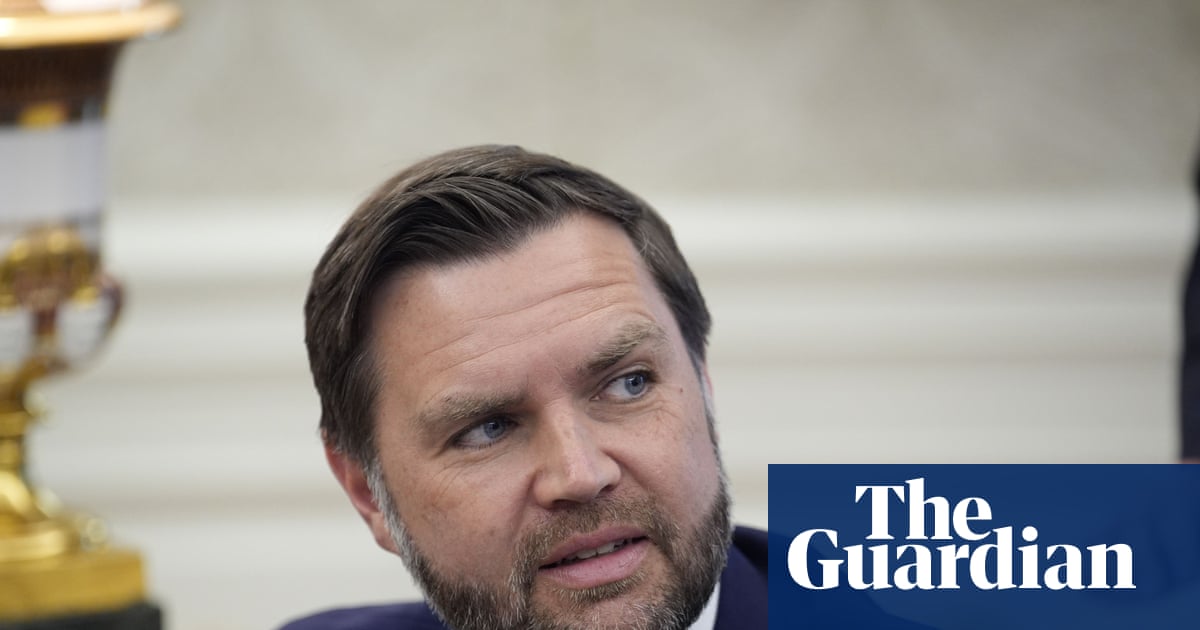
In the wake of escalating tensions in the Strait of Hormuz and renewed military actions, U.S. Vice President JD Vance has asserted that the American administration’s strategy regarding Iran is superior and will yield positive results regardless of future negotiations. His comments come amid a fragile ceasefire between the U.S. and Iran, underlining the heightened volatility in the region.
JD Vance’s Assurances on U.S. Strength in Negotiations
Recently, Vice President JD Vance emphasized that whether or not a final agreement is reached, the U.S. stands to gain from its actions against Iran. In an interview, he stated, “If we make the final deal, then great.” However, he was quick to add that even in the absence of a deal, Iran’s nuclear ambitions would remain thwarted. Vance expressed that this scenario leaves the U.S. unscathed, as he believes Iran is significantly weaker now than before. Furthermore, he highlighted the increase in oil shipments through the Strait of Hormuz as evidence of genuine activity occurring in the region.
U.S. Military Actions in Response to Iranian Aggression
The U.S. military recently confirmed new strikes targeting various sites within Iran. This action follows an earlier retaliation for an Iranian drone attack aimed at a commercial vessel in the Strait of Hormuz. The U.S. Central Command (Centcom) identified these strikes as direct responses to ongoing threats posed by Iran to commercial shipping in the area. The identified targets included Iranian military communication networks, surveillance infrastructure, air defense sites, and drone storage facilities. These military operations underscore the persistent tension and the significant risks associated with Iran’s actions in the region.
Trump’s Statements Following Military Engagements
Former President Donald Trump, reacting to recent military developments, suggested that there may come a point when the U.S. could escalate its military involvement if necessary. He warned that should that happen, it would lead to the obliteration of the Islamic Republic of Iran. Trump’s statements highlight the ongoing divide in American political discourse regarding military engagement abroad and the strategy towards Iran’s nuclear activities.
Implications for Future U.S.-Iran Relations
The rising frequency of military exchanges between the U.S. and Iran raises critical questions about the future of diplomatic engagements. In light of recent events, observers are concerned that the delicate balance between negotiation and conflict could tilt dangerously toward escalation. The assertion from officials that the U.S. maintains leverage in negotiations may serve to strengthen or complicate future diplomatic efforts. As the situation continues to evolve, it’s essential to monitor how these military actions influence not only U.S.-Iran relations but also the broader geopolitical landscape in the Middle East.
In summary, the current geopolitical climate regarding Iran is fraught with tension and uncertainty. The ongoing military actions and bold assertions from key political figures illustrate the complexity of international relations. As these events unfold, it remains crucial for stakeholders and analysts to carefully evaluate the implications for regional stability and global security.