
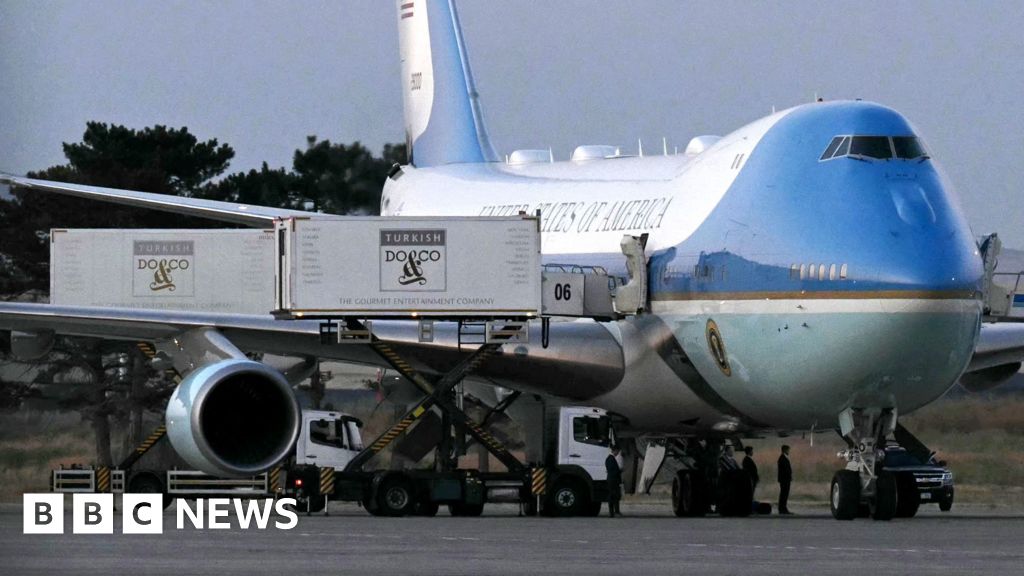
Understanding Trump’s Security Measures During the NATO Summit in Turkey
During a NATO summit held in Turkey, former President Donald Trump took unprecedented steps to ensure his safety. Given the heightened tensions due to Iran and other geopolitical factors, these measures became a necessity.
Heightened Security Concerns
The geopolitical landscape has always been a maze, especially when it comes to NATO meetings. With situations like Iran’s influence in the region, security concerns are at an all-time high. This prompted Trump to opt for different travel arrangements while attending the summit. The choice to board an alternate plane signifies a proactive approach against potential threats. Leaders during such high-profile events must contend with various security considerations, which can lead to changes in standard procedures.
The Significance of Special Arrangements
Trump’s decision to switch flights demonstrates the careful planning that goes into safeguarding national leaders during international gatherings. Such alterations are not just about personal safety; they reflect a deeper understanding of potential vulnerabilities that exist in today’s complex geopolitical environment. When a leader is perceived as a target, the slightest deviation from normal protocol can be vital in ensuring their security.
At the NATO summit, Trump’s unique travel arrangements resonated with broader themes of vigilance among world leaders. The heightened awareness about threats underscores the importance of adaptive planning in international relations. This is especially pertinent when discussing issues that involve nuclear capabilities and regional hostilities.
Reactions to Trump’s Measures
The decision to select a different plane has sparked discussions regarding the state of global security and the implications for diplomatic relations. Critics may view this as an overly cautious step, while supporters highlight the necessity of such measures in light of current world affairs. Regardless of the perspective, it indicates a shift in how leaders perceive security risks.
Moreover, such actions can reverberate through diplomatic channels, potentially affecting negotiations and alliances. The choice to prioritize safety over traditional customs could serve as a catalyst for more stringent security protocols in future international meetings, especially with countries facing similar challenges.
The Broader Implications for International Diplomacy
Trump’s adaptive security measures bring attention to the broader implications for international diplomacy. In an age where information can be leaked and security can be compromised, leaders must reevaluate existing protocols. The dynamics of international relations require a constant reassessment of how safety is prioritized.
These incidents may not only influence future gatherings but also encourage other nations to reconsider their security arrangements. This evolution in diplomatic safety can lead to enhanced cooperation among nations, fostering stronger alliances focused on mutual security goals. In an increasingly interconnected world, the decisions made during such summits can resonate far beyond the immediate context, shaping global stability.
In conclusion, Trump’s travel decisions during the NATO summit are a reflection of the complexities and realities of today’s political landscape. The ramifications of such moves extend beyond his personal safety and into the realm of international relations, highlighting the need for adaptive security measures in a rapidly changing world.