
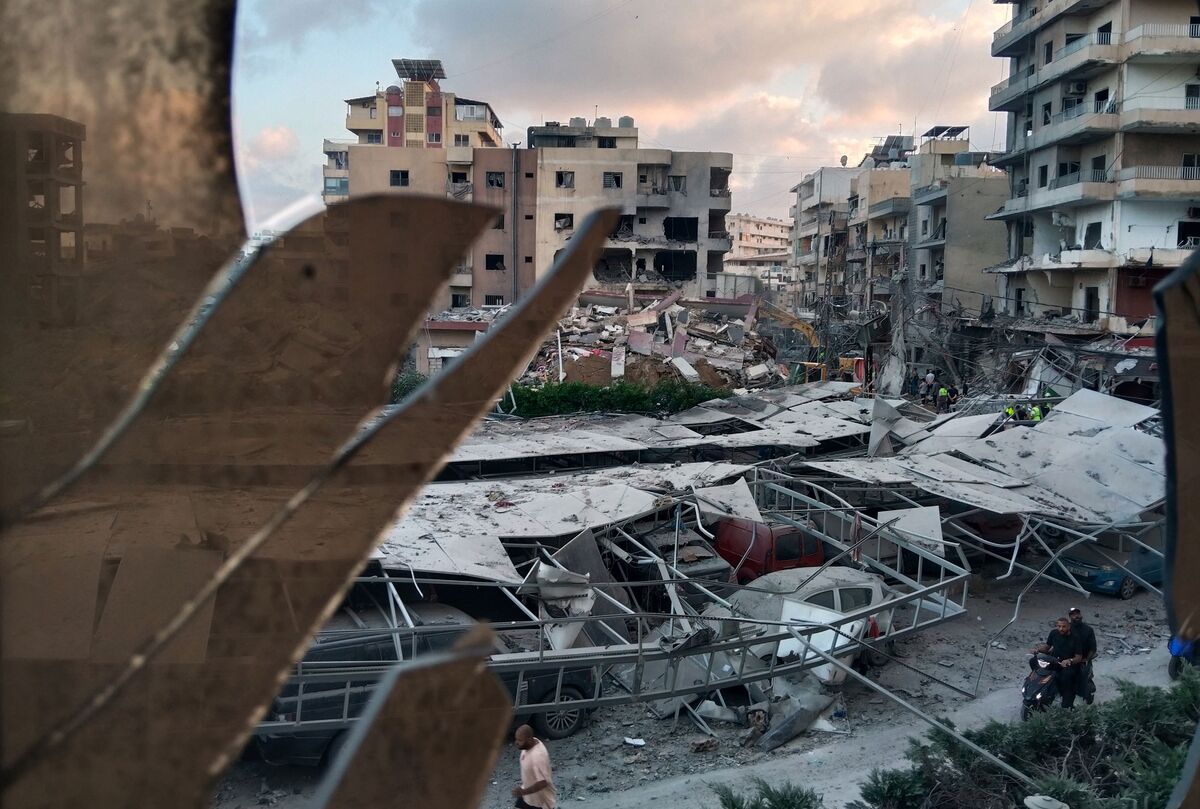
President Donald Trump has been vocal about his optimism regarding the potential for resolving conflicts related to Iran. Despite this confidence, Israel’s unwavering pursuit of its goals highlights the precarious nature of Trump’s influence over the situation.
Trump’s Optimism on Iran Conflict Resolution
For months, President Trump has expressed a belief that a diplomatic agreement to address tensions with Iran is attainable. His administration has engaged in various strategies aimed at stabilizing the region, emphasizing negotiations and potential partnership with allies. This optimistic outlook is echoed in several public statements and meetings, where he has touted the possibility of reaching a comprehensive deal.
However, despite Trump’s confidence, the situation remains complex. The dynamics in the Middle East are continually evolving, influenced by both internal and external factors. Iran’s actions, regional alliances, and global geopolitics play significant roles in shaping the narrative surrounding the conflict. The potential for a resolution is often overshadowed by uncertainties and hesitations from various stakeholders.
Israel’s Staunch Pursuits
In stark contrast to Trump’s perspective, Israel continues to aggressively pursue its own strategic ambitions. The Israeli government is committed to ensuring its national security and has taken proactive measures to counter perceived threats from Iran. This determination complicates Trump’s efforts, as the United States’ traditional ally prioritizes its immediate security concerns and broader geopolitical objectives.
Israel’s actions reveal a deeper commitment to national interests, which often do not align with those of the U.S. administration. Despite Trump’s aspirations for peace, Israel’s response to perceived threats drives a wedge into potential negotiations, showcasing the limitations of the United States’ influence over Israeli policies in the region.
The Delicate Balance of Power
The balance of power in the Middle East is fragile and subject to rapid changes. Trump’s attempts to facilitate a diplomatic resolution must contend with the fact that not all parties share the same vision of stability. Israel’s proactive measures, including military readiness and intelligence operations against Iranian targets, signify a strategic approach that prioritizes immediate security over long-term diplomatic agreements.
This ongoing tension underscores the challenges facing U.S. foreign policy in the region. Strategic partnerships with particular nations can sometimes lead to friction with others, creating a complex web of relationships that can hinder the path to resolution. While Trump remains hopeful, the reality is that the interplay of national interests and security strategies often overshadows diplomatic efforts.
The Road Ahead
Ultimately, the prospect of resolving the Iran conflict hinges on multiple factors, including the actions of regional players and broader geopolitical shifts. While Trump’s administration strives for a peaceful agreement, the current trajectory illustrates that achieving lasting stability will require nuanced negotiations and a delicate approach to foreign policy.
As the situation evolves, maintaining open channels of communication remains essential. The need for collaboration with allies like Israel, alongside regional powers, highlights the intricate dance of diplomacy that must occur. Without careful navigation of these complex relationships, the potential for a resolution may remain just out of reach.